Crans-Montana Fire: Implications for Global Tourism and Safety Standards
हिंदी में सुनें
Listen to this article in Hindi
Exploring the Crans-Montana fire's impact on global tourism, safety regulations, and the future of ski resorts.
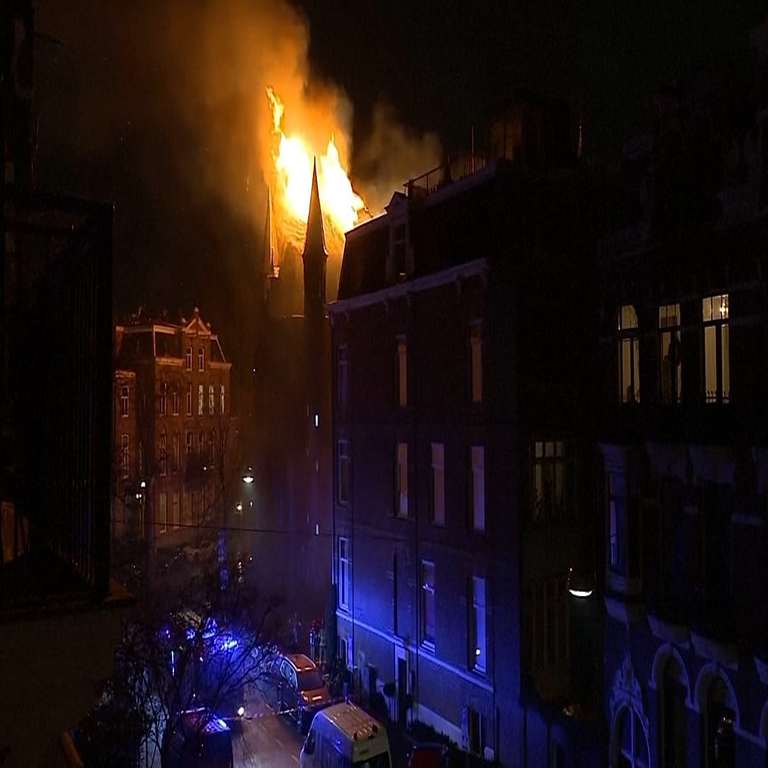
The recent tragedy at Crans-Montana, a historic ski resort in Switzerland, underscores significant geopolitical and economic dimensions in the global tourism landscape. As one of the premier ski destinations in the Alps, Crans-Montana attracts a diverse array of international visitors, contributing to Switzerland's reputation as a luxury travel hub. This incident not only highlights the fragility of safety in high-traffic leisure environments but also reflects broader trends in tourism, infrastructure investment, and international cooperation in emergency response.
The ski resort industry is a vital segment of the global tourism economy, which has faced unprecedented challenges in recent years, from the COVID-19 pandemic to climate change. As nations strive to recover economically, high-profile locations like Crans-Montana are critical for attracting international visitors. The bar fire incident raises questions about safety protocols and emergency preparedness, which are becoming increasingly pertinent as tourism resumes its pre-pandemic vigor.
With Vail Resorts’ recent acquisition of Crans-Montana, the incident occurs at a pivotal moment for the resort's future. Vail's plans for significant investment in infrastructure, including snow-making facilities, highlight a trend toward modernization in response to changing climate patterns and consumer expectations. That said, the reality is a bit more complicated. this tragedy could impact investor confidence and raise scrutiny over the adequacy of existing safety measures in ski resorts worldwide.
The resort's appeal lies in its blend of luxury offerings and accessibility to international tourists, particularly families seeking winter vacation experiences. Events such as the upcoming World Cup ski races serve not only as entertainment but also as a means of generating economic activity within the region. The current situation may lead to increased pressure on event organizers and local authorities to ensure stringent safety regulations, potentially reshaping how such events are managed in the future.
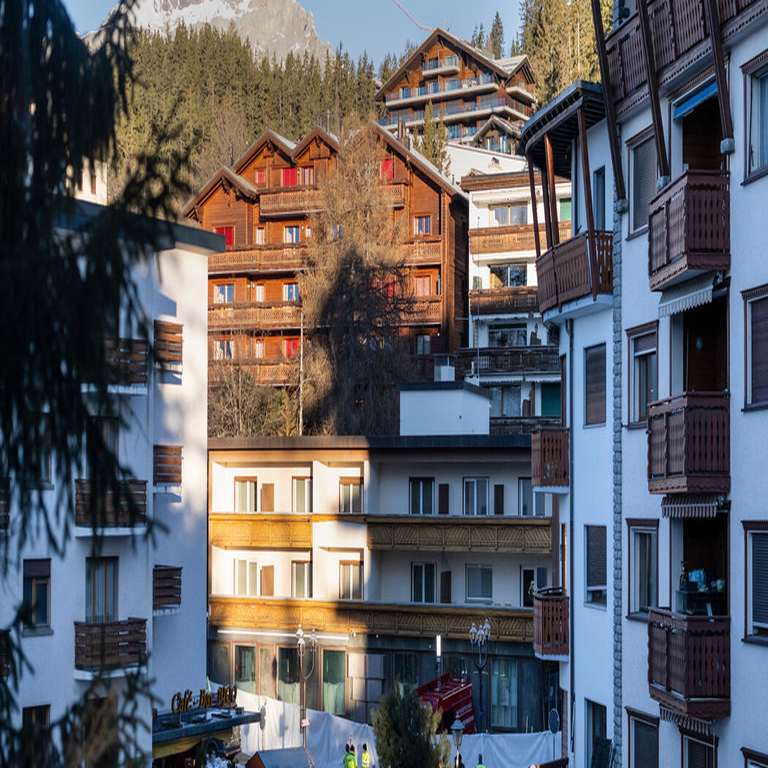
Crans-Montana's geographical location in the Valais region, approximately 120 miles from Geneva, positions it within a broader European context where tourism is a key economic driver. The incident could catalyze discussions among European nations about harmonizing safety standards across ski resorts, given the cross-border nature of tourism in the Alps. Enhanced collaboration among nations may be necessary to prevent similar tragedies and to ensure a unified response to crises.
Moreover, the fire incident may amplify existing regional tensions related to tourism management and environmental sustainability. As climate change continues to affect snowfall patterns, ski resorts are under pressure to adapt not only their infrastructure but also their marketing strategies. This may lead to shifts in tourist demographics and preferences, affecting how resorts like Crans-Montana attract and retain visitors.
So where does that leave things? the implications of the Crans-Montana fire extend beyond the immediate tragedy, influencing the intersection of global tourism, safety regulations, and environmental adaptation. Stakeholders must navigate these complexities with care, recognizing that the future of ski resorts may depend on their ability to respond effectively to challenges while maintaining their allure as premier destinations for international travelers.
Editor's note: This article was independently written by the Scoopliner Editorial Team using publicly available information.