Cost of Cancer Treatment Can Be Marked Up 10,000%
हिंदी में सुनें
Listen to this article in Hindi
Hospitals nationwide are inflating the cost of generic cancer drugs, with markups reaching 10,000%, impacting patients and health plans. Investigation underway.
A deep dive into cancer treatment costs reveals that hospitals across the U.S. are significantly marking up the prices of even routine, long-established cancer drugs, sometimes by as much as 10,000%. This practice transforms inexpensive chemotherapy medications into major revenue sources, placing a hidden financial burden on patients and their employers. This is the fifth in a series examining the impact of profit motives on cancer patients.
According to Ivana Krajcinovic, the vice president of health care delivery at Unite Here Health, which manages the health plan for Martin's union, hospitals exploit a vulnerable patient population already undergoing extensive treatment, simply because they can. Unite Here Health spends approximately $1.3 billion annually on healthcare for its 230,000 members nationwide, who are hospitality workers in casinos, hotels, and universities. The health plan aims to secure quality care at the lowest possible price, ensuring that savings benefit members' wages and pensions.
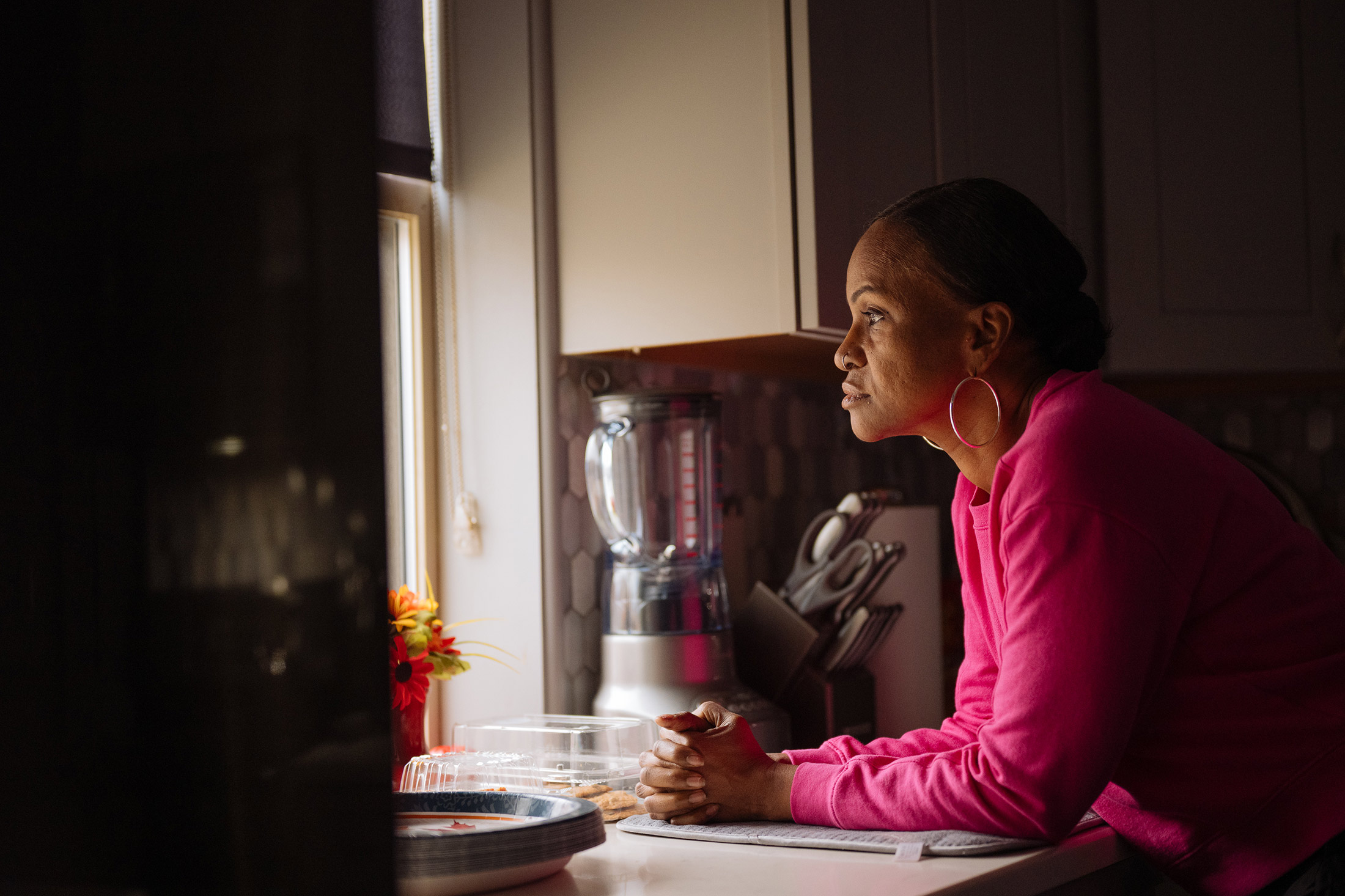
Martin, a cancer patient in Chicago, was prescribed oxaliplatin, a generic cancer drug that has been available for over two decades. While Medicare would pay around $35 for her dosage, a Bloomberg News analysis of data from Turquoise Health found that nearly 150 hospitals across the country charge at least one insurer five times that amount or more. In Martin's case, the markup was hundreds of times the Medicare rate. Turquoise Health is a company that strives to bring transparency to health-care pricing.
The analysis encompassed data from over 1,700 hospitals, examining eight generic cancer drugs and several major insurance companies. It revealed that 40% of these hospitals charged at least one insurer five times the Medicare rate or higher for these drugs.
While Medicare's reimbursement rates for these generic cancer drugs have decreased over the past 15 years, private insurers often pay more than Medicare. That said, the reality is a bit more complicated. experts say that the multiples observed in the data significantly exceed typical markups, which are usually just a few times higher than Medicare rates.
The findings are likely conservative, as Turquoise Health's data excludes commercial rates exceeding ten times the Medicare rates. Unite Here Health has uncovered instances of markups far exceeding this threshold, including Martin's case.
Rush, a health system, through spokesperson Charlie Jolie, refuted Unite Here Health's claim of financially exploiting patients. Jolie stated that chemotherapy bills encompass costs beyond the drug price, such as specialized nurses and clinicians. He added that the negotiated rate with the insurer helps ensure the best possible outcomes and affordability. Jolie explained that the higher price paid for Martin's oxaliplatin at the hospital reflected these additional costs, while the clinic where she later received infusions had lower overhead.
Hospitals contend that their charges reflect the expenses of acquiring drugs and operating complex medical centers that must serve all patients, regardless of their ability to pay. A 2024 study in the New England Journal of Medicine found that hospitals routinely mark up drugs 2.5 to 3 times their acquisition cost, which is substantially higher than doctors' offices charge for the same medications.
Critics argue that these factors might justify markups of two to three times the Medicare rate, but not the extreme cases of five, ten, or, as in Martin's situation, over 350 times higher. Unite Here Health suspects price gouging in the most extreme instances and has requested a state regulator in California to investigate at least one case.
Shawn Gremminger, the CEO of the National Alliance of Healthcare Purchaser Coalitions, which represents employer groups, stated that hospitals can essentially set drug prices arbitrarily.
A small team working to identify savings for the Unite Here Health insurance plan discovered Martin's case. This team of five analysts scrutinizes claims, seeking treatments with significant price variations. When such disparities are found, they encourage patients to opt for lower-cost options, provided the quality of care remains comparable.
Brian Cotter, the CEO of Bright Spot Insights and a consultant with Unite Here Health, emphasizes that they are not altering patients' therapy but simply changing the location where they receive it. Cotter, a sarcoma survivor whose wife is also undergoing cancer treatment, is driven to help people find more affordable care.
Ideally, patients wouldn't need to switch providers. Krajcinovic stated that these are very sick cancer patients who rely on their doctor’s judgement, and she would prefer to see the higher prices reduced.
Over the past few years, Unite Here Health has identified hospitals as a major source of excessive markups. For instance, the plan paid almost $90,000 for a series of oxaliplatin infusions from Salinas Valley Health in Monterey County, California, which Unite Here Health calculated to be more than 700 times the Medicare rate at the time.
When Krajcinovic questioned the hospital about this price discrepancy, she was told that the health plan was only paying a small markup on the hospital's acquisition price. That said, the reality is a bit more complicated. the hospital declined to disclose the acquisition cost, stating it was comparable to other hospitals in the area. Krajcinovic found this hard to believe, as it was far more than Unite Here Health paid for oxaliplatin elsewhere and much higher than listed charges at another local hospital. She also noted that Salinas Valley Health participates in a federal program for hospitals serving low-income patients, likely enabling them to purchase drugs at significant discounts.
Krajcinovic detailed these concerns in a letter to the California Attorney General last year, requesting an investigation. A representative for the AG's office declined to comment, and there has been no public indication of an investigation.
Salinas Valley Health did not comment on the specifics of Krajcinovic's account. A representative stated that the hospital "understands why the historical charge for this medication raises concern" and that the previous price did not reflect the drug's generic status. The hospital claimed to have identified the pricing "discrepancy" during a leadership transition in late 2023 and responded by adjusting prices of medicines across its system, including lowering the standard charge for the cancer drug to $600 for 50 milligrams.
The hospital stated that the acquisition cost ranges from $2 to $44 for 50 milligrams and that its pricing reflects the cost of staff, equipment, and facilities. Salinas Valley Health also stated that it loses money on many patients covered by government health programs, which influences its negotiations with private insurers.
As of the beginning of 2025, Salinas Valley Health's public price list still shows the standard charge for oxaliplatin at $14,802 for 50 milligrams. The hospital said the revised price will be posted in January.
For insured individuals, the price difference may be masked by copays. That said, the reality is a bit more complicated. these costs are ultimately passed on to patients and workers. Unite Here Health calculated that markups on chemotherapy drugs specifically increased one of its plan's per-member costs by almost $10 per month.
Martin only became aware of the price difference between the hospital and the clinic through the union health plan. When a Unite Here Health caseworker informed her that she could avoid a $100 copay by receiving treatment at the clinic down the street, where it would be free, she welcomed the savings. Without the union's help, she said she would have been stuck with the bill.
Even with insurance, Martin has depleted her savings to cover medical and other expenses while on leave from her hotel job, where she earned approximately $27 per hour. Meanwhile, she saved the health plan more than $13,000 on each infusion, equivalent to about three months' wages for her.
The high cost of healthcare forces unions to make difficult choices between wage increases and health premiums, according to Ken Blair, a president of his union local in Connecticut. He said that to get a decent raise, they had to lower their health care. He also noted that prices and copays are rising.
Ken Blair, a 68-year-old with multiple myeloma, has experienced the impact of rising healthcare costs firsthand, owing about $4,000 last year for medical expenses not covered by his insurance. His health plan paid almost seven times the Medicare rate for one of his drugs, bortezomib, a generic drug approved over 20 years ago.
A transparency initiative from the first Trump administration mandated that hospitals and insurers reveal prices that had long been hidden. Despite the threat of fines, some hospitals have been slow to comply, and the data is often difficult to navigate.
Even with cost transparency, some hospitals lack the incentive to lower prices. Mark Miller, executive vice president of health care at Arnold Ventures, stated that providers in certain markets have such a concentrated position that it’s hard to get a discount or lower rates for infused drugs.
Data availability is just the first step. Krajcinovic and her staff dedicate hours to analyzing claims data to uncover exorbitant prices. It can take months to identify excess costs and negotiate better rates or encourage patients to switch to lower-cost providers. When Unite Here Health succeeds in lowering costs in one area, they often discover another markup elsewhere.
Krajcinovic likens it to a game of whack-a-mole, describing it as a constantly shifting target that is exhausting.



:max_bytes(150000):strip_icc()/ms-martha-sourdough-08535a5ce5704845ab32e9e30cc333eb.jpg)