Infrastructure Push Underpins Fragile Recovery: Can India Sustain Momentum?
हिंदी में सुनें
Listen to this article in Hindi
India's economic recovery hinges on infrastructure spending. Can steel and cement demand offset weakness in energy and power sectors?
India's economic narrative is currently being written in concrete and steel, but the long-term viability of this script hinges on a broader diversification of growth drivers. While recent data points to a resurgence in infrastructure-related sectors, a dependence on construction-led demand presents both opportunities and vulnerabilities for Indian markets. The question isn't whether infrastructure spending *can* drive growth, but whether it can do so sustainably, especially given persistent headwinds in other crucial areas like energy production.
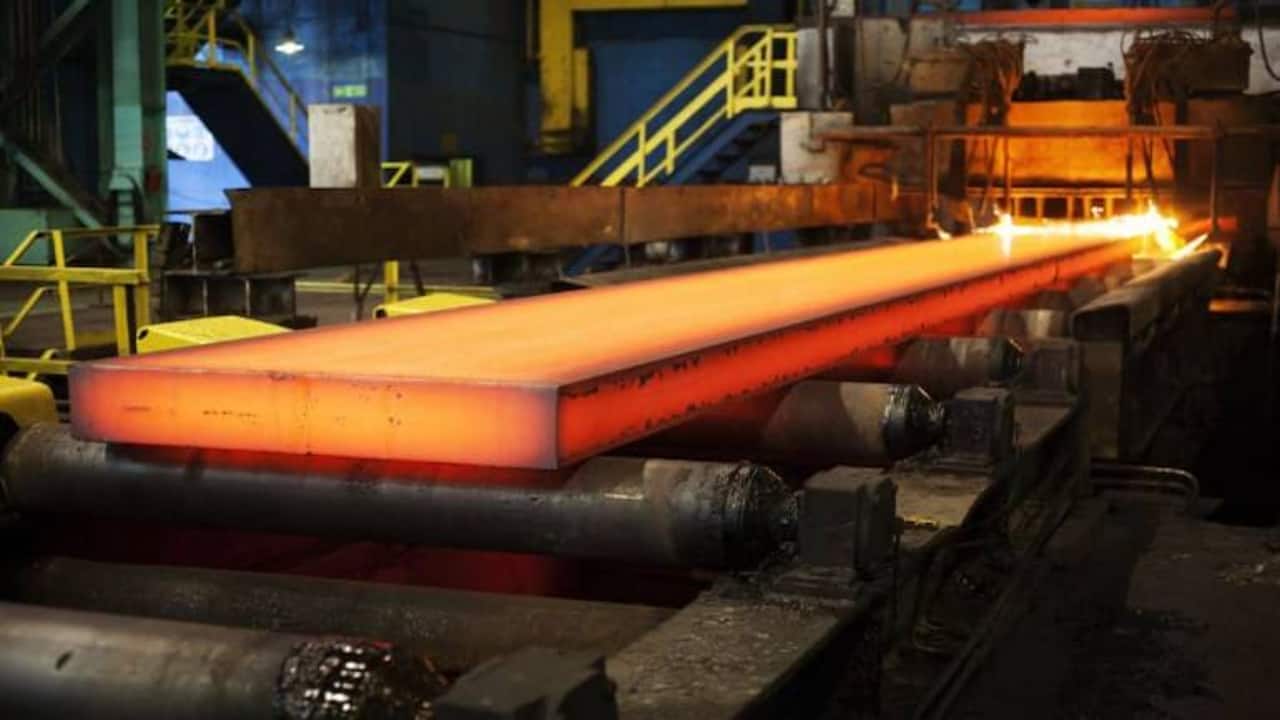
The initial euphoria surrounding increased cement and steel production is understandable. These sectors are bellwethers of investment activity and construction progress, vital for a developing economy like India. The rise in cement output, for example, signals not just increased housing construction, but also potential expansion of roads, railways, and other key infrastructure projects. This translates into increased demand for raw materials, job creation, and ultimately, a boost to overall economic sentiment. That said, the reality is a bit more complicated. a closer examination reveals a reliance on government spending and a potential crowding-out effect on other sectors.
The global economic climate adds another layer of complexity. Fluctuations in global commodity prices directly impact the cost of raw materials used in infrastructure projects. Volatile energy prices, for instance, can inflate the cost of transportation and manufacturing, potentially squeezing profit margins for construction companies and increasing the overall cost of projects. A slowdown in global trade could also impact demand for Indian exports, indirectly affecting government revenue and, consequently, its ability to maintain current levels of infrastructure spending. Understanding the interplay between global market dynamics and the Indian economy is crucial for investors navigating this landscape. Investors should also review stock market basics to understand sector-specific responses to macroeconomic trends.
For Indian investors, this environment demands a nuanced approach. While infrastructure-related stocks might appear attractive in the short term, a deeper dive into company financials and long-term growth strategies is essential. Are these companies prepared for potential cost increases due to global market volatility? Are they diversified enough to withstand a slowdown in government spending? These are crucial questions that investors need to consider before making investment decisions. The RBI policy on inflation control, for example, might indirectly impact infrastructure spending through its effect on borrowing costs.
A significant risk lies in the unevenness of this recovery. The persistent struggles in the energy sector – specifically crude oil, natural gas, and electricity – present a considerable challenge. Reliance on imported energy makes India vulnerable to global price shocks, while insufficient domestic production hinders overall industrial growth. Furthermore, a slowdown in electricity generation, potentially influenced by erratic weather patterns, can directly impact manufacturing output and dampen economic activity beyond the construction sector. This highlights the need for a more diversified and resilient economic strategy that doesn't solely depend on infrastructure spending.
Ultimately, the current infrastructure-led growth provides a foundation, but not a complete solution. The Indian market's future depends on fostering a more balanced and sustainable economic model. While the clanging of steel and the pouring of cement offer a reassuring soundtrack in the short term, investors must remain vigilant, carefully assess risks, and demand a more comprehensive approach to economic growth that addresses the existing vulnerabilities and fosters long-term resilience.
Editor’s note: This article was independently written by the Scoopliner Editorial Team using publicly available information.


:max_bytes(150000):strip_icc()/GettyImages-2249462023-748477bde63b49eaab52c7824f6e86e4.jpg)