Common Home Appliances Emit Trillions of Harmful Particles, Study Finds
हिंदी में सुनें
Listen to this article in Hindi
Research reveals that everyday home appliances like toasters and hair dryers emit trillions of ultrafine particles, raising concerns about indoor air quality.
Many common household appliances release surprisingly high levels of indoor air pollution, according to a new study that measured particle emissions from everyday devices.
Researchers at Pusan National University (PNU) in South Korea conducted the study, which involved measuring the ultrafine particles (UFPs) released by various appliances inside a controlled laboratory chamber. These UFPs are less than 100 nanometers in size, making them easily inhalable and able to penetrate deeply into the body.
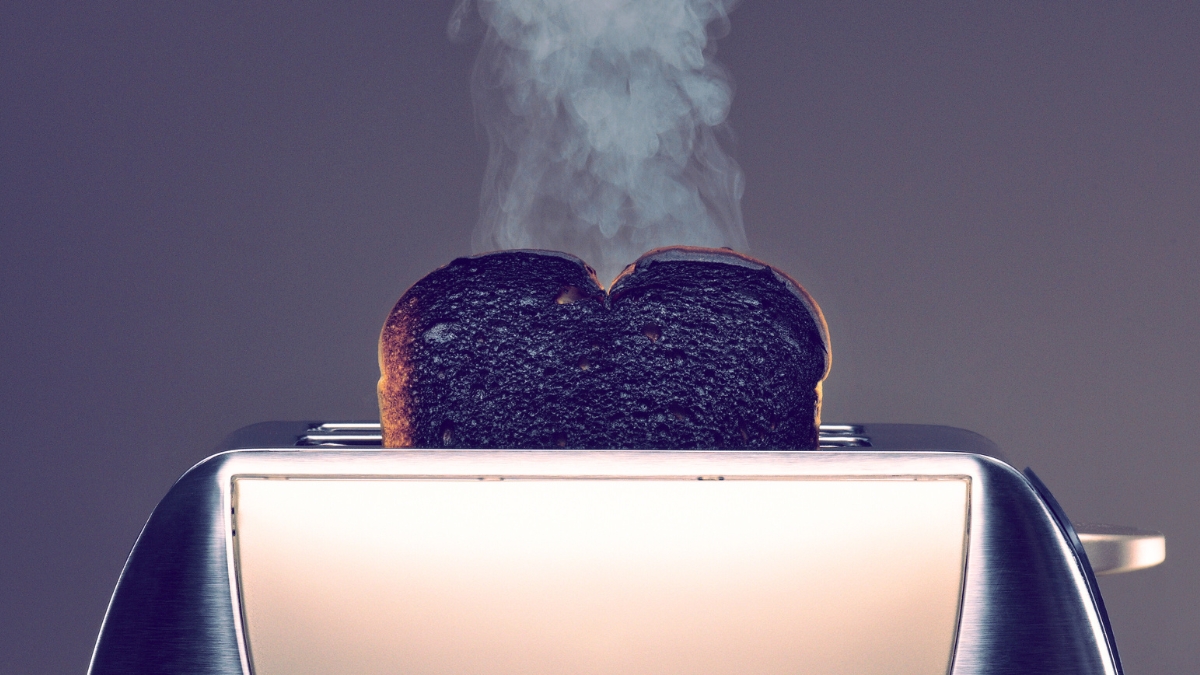
The team tested several types of toasters, air fryers, and hair dryers. Most emitted a significant quantity of UFPs. A pop-up toaster, tested without bread, proved to be the worst offender, releasing approximately 1.73 trillion UFPs per minute.
While the study didn't directly assess the potential health effects, computer simulations indicated that the particles are small enough to bypass the nose's natural filtering mechanisms. This allows them to penetrate deep into the lungs of both adults and children. Researchers suggest children may be at greater risk due to their smaller airways.
According to Changhyuk Kim, an environmental engineer at PNU, the findings highlight the need for appliance designs that minimize emissions and for the establishment of age-specific indoor air quality guidelines. Kim stated that reducing UFP emissions from everyday devices will contribute to healthier indoor environments and reduce the risk of chronic exposure, especially for young children.
The study indicated that electric heating coils and brushed DC motors are significant contributors to UFP emissions. Hair dryers with brushless motors emitted significantly fewer particles – between 10 to 100 times less – than those with standard motors.
In addition to UFPs, the researchers detected heavy metals, including copper, iron, aluminum, silver, and titanium, within the airborne particles. These metals likely originate from the coils and motors themselves. Kim noted that the presence of these heavy metals increases the risk of inflammation and cytotoxicity when the particles enter the body.
It is important to note that this particular study did not evaluate the potential health impacts of these emissions. That said, the reality is a bit more complicated. previous research has linked UFPs to various health conditions, including asthma, cardiovascular disease, hypertension, diabetes, and cancer.
With increased time spent indoors due to climate change and global pandemics, indoor air quality is becoming an increasingly important area of research. This includes pollutants from appliances, deodorants, and hairsprays.
The researchers advocate for improvements in appliance safety and reduced UFP emissions. While manufacturers can implement design and efficiency improvements, stricter regulations may be necessary to drive widespread change. Kim emphasizes that understanding the sources of indoor pollutants is crucial for developing effective preventive measures and policies to maintain healthy indoor air quality.



:max_bytes(150000):strip_icc()/ms-martha-sourdough-08535a5ce5704845ab32e9e30cc333eb.jpg)
