Rising Costs of Commercial LPG: A Catalyst for Change in India’s Service Sector
हिंदी में सुनें
Listen to this article in Hindi
Explore how increasing commercial LPG prices are reshaping India’s service sector and broader economic landscape.
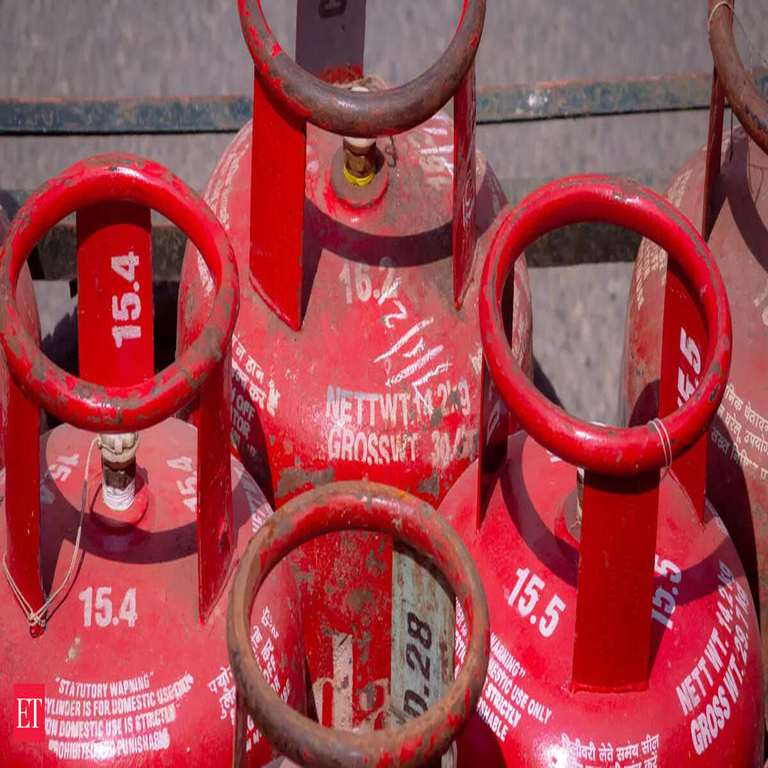
The onset of the new year has cast a shadow over India's service sector, particularly for hotels and restaurants, with the recent increase in commercial LPG cylinder prices. As the cost of a 19-kg cylinder has surged by Rs 111 in major cities such as Delhi, Mumbai, Kolkata, and Chennai, businesses that rely heavily on gas for their operations are now facing significantly higher operating expenses. This uptick in costs not only affects profit margins but also has broader implications for inflationary pressures across the economy.
The immediate effect of the price hike is palpable. In Delhi, the price of the commercial cylinder has risen to Rs 1,691.50, while in Mumbai it now stands at Rs 1,642.50, with Kolkata and Chennai witnessing even steeper increases. Such a rise in operational costs is detrimental, particularly for small and medium-sized enterprises (SMEs) that may lack the financial elasticity to absorb these sudden expenses. The increased costs could lead to price hikes in menu items, potentially dampening consumer demand and altering spending habits.
As businesses grapple with these new economic realities, they are faced with a dual challenge: managing rising costs while maintaining customer satisfaction. For many, this could mean a reevaluation of operational strategies, leading to a greater emphasis on cost-cutting measures, such as streamlining staff or sourcing cheaper ingredients. The ripple effects of this could further impact the employment landscape, as businesses might opt for automation or reduced hiring to mitigate the financial strain.
Moreover, the rise in commercial LPG prices is emblematic of a larger trend of inflation that has been brewing in the Indian economy. The service sector, which significantly contributes to the country’s GDP, is now caught in a cycle where increased operating costs could lead to higher consumer prices, ultimately exacerbating inflation. As the Reserve Bank of India continues to monitor inflation and interest rates, this situation may prompt the need for a reassessment of monetary policy to counteract these pressures. A deeper dive into the RBI policy or interest-rate framework could reveal the potential responses to these economic shifts.
In an interconnected global economy, the rise in LPG prices can also be seen as a reflection of broader trends in energy markets influenced by geopolitical dynamics, supply chain disruptions, and changes in energy policies worldwide. As India imports a substantial portion of its energy needs, fluctuations in global energy prices can directly impact domestic costs. Consequently, the rising costs of LPG cylinders may serve as a precursor to future price increases in other sectors, especially those reliant on energy-intensive processes.
The hospitality and food service industries, which have historically operated on thin margins, are now at a critical juncture. The increased cost of inputs such as LPG could lead to a reevaluation of business models, with some operators potentially considering diversification into more sustainable energy sources, such as biogas or electric cooking technologies. This shift could catalyze innovation within the sector, pushing businesses to adopt more resilient practices that could cushion them against future price volatility.
The current scenario also poses a significant risk to consumer sentiment. As dining out becomes comparatively more expensive due to the rise in operational costs, consumers may shift their preferences towards home-cooked meals, thus impacting the footfall in restaurants and cafes. This trend could further strain an industry still recovering from the pandemic's aftereffects, challenging operators to adapt swiftly to changing consumer behaviors.
On the other hand, the recent reduction in aviation turbine fuel (ATF) prices offers a contrasting narrative within the energy market. Airlines are experiencing some relief after months of elevated fuel costs, which could enhance liquidity within that sector. That said, the reality is a bit more complicated. this bifurcation in energy price movements signifies a complex landscape where different industries are affected in varied ways by the same underlying economic conditions.
So where does that leave things? the spike in commercial LPG prices serves as a clarion call for stakeholders within India's service sector to rethink their strategies and operations. While the immediate effects on operating costs and consumer prices are evident, the longer-term implications for business models, consumer behavior, and inflationary trends warrant close attention. As India navigates these turbulent waters, understanding the intertwined relationship between energy costs and economic health will be crucial for both businesses and investors alike. Observing how these factors play out against the backdrop of the broader Indian economy will be essential in determining the next steps for the service sector and the market at large.
Editor's note: This article was independently written by the Scoopliner Editorial Team using publicly available information.