Cold Moon 2025: Year’s final supermoon to light up the sky on December 4
This proximity makes the moon appear brighter and up to around 14 per cent larger than it does at its most distant point. Because the Cold Moon reaches this favourable position, observers can expect a noticeably enhanced lunar disk without needing any specialised equipment.
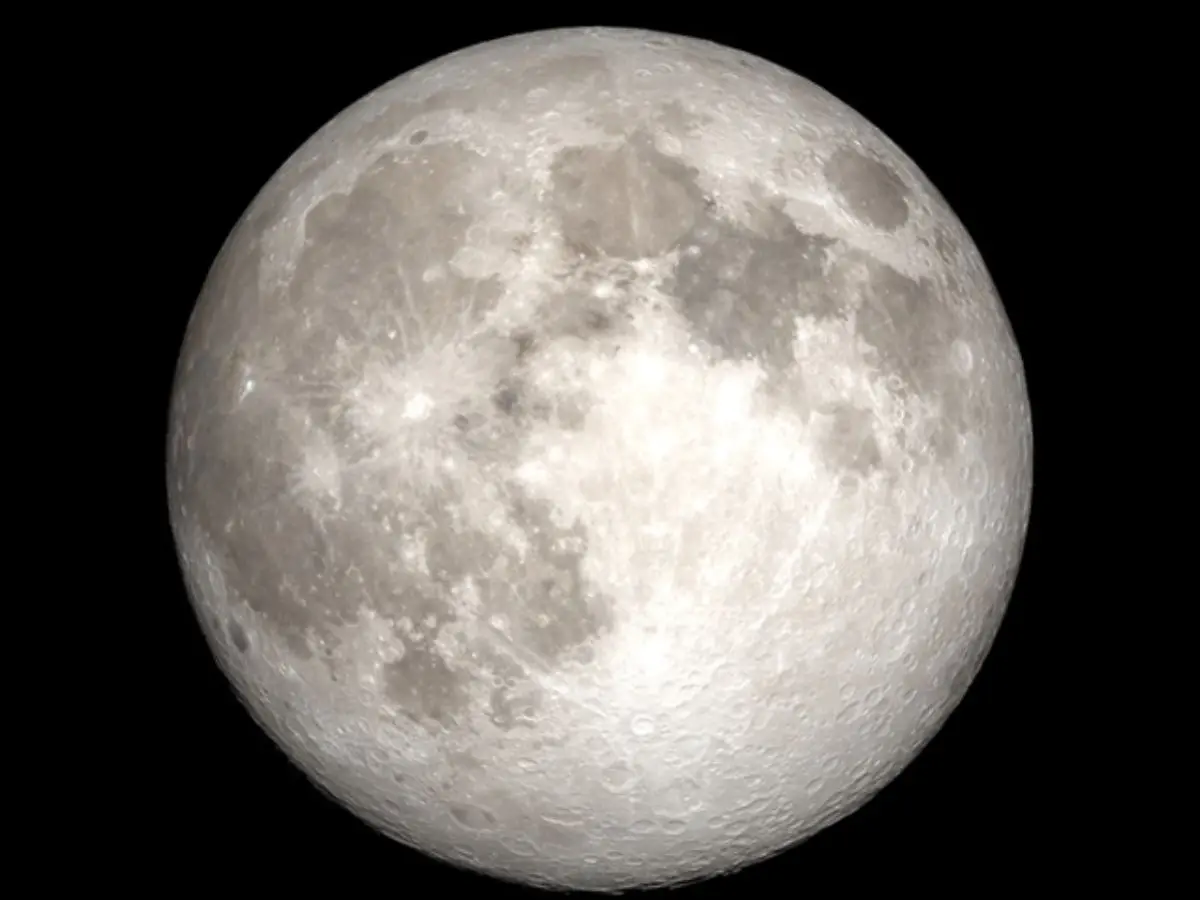
Skywatchers worldwide will be treated to 2025’s final supermoon as the Cold Moon rises on 4 December. Marking the last full moon of the year, it promises a striking display, especially just after moonrise when the well-known 'moon illusion' makes it appear larger near the horizon, according to the Daily Galaxy. The name 'Cold Moon' is traditionally linked to the onset of winter’s longest, darkest nights, and this year it carries added significance as the last chance to witness a supermoon before the year ends.
Although 'supermoon' is a popular term rather than an official astronomical category, it is commonly defined as a full moon that comes within 90 per cent of perigee, the closest point to Earth in its orbit. This proximity makes the moon appear brighter and up to around 14 per cent larger than it does at its most distant point. Because the Cold Moon reaches this favourable position, observers can expect a noticeably enhanced lunar disk without needing any specialised equipment.
Timing will be essential for anyone hoping to view the moon at its most dramatic. The Cold Moon will reach its peak illumination at 6:14 PM EST on December 4, but its most striking appearance may occur shortly after moonrise. In New York, the moon will rise at about 3:54 PM EST; in Los Angeles, moonrise follows at roughly 4:22 PM PST. Across both locations, and globally, the first moments above the horizon may present the most memorable views. This cold moon is also said to be the highest full moon in the Northern Hemisphere sky in 2025. The cold moon is the 12th and final full moon of 2025. While a solar year lasts 365.24 days, a lunar year totals about 354.37 days, which sometimes leads to 13 full moons in one year. This last occurred in 2023 and will happen again in 2028.
)