The Enduring Appeal of Nostalgia: How Cultural Icons Shape National Identity and Soft Power
हिंदी में सुनें
Listen to this article in Hindi
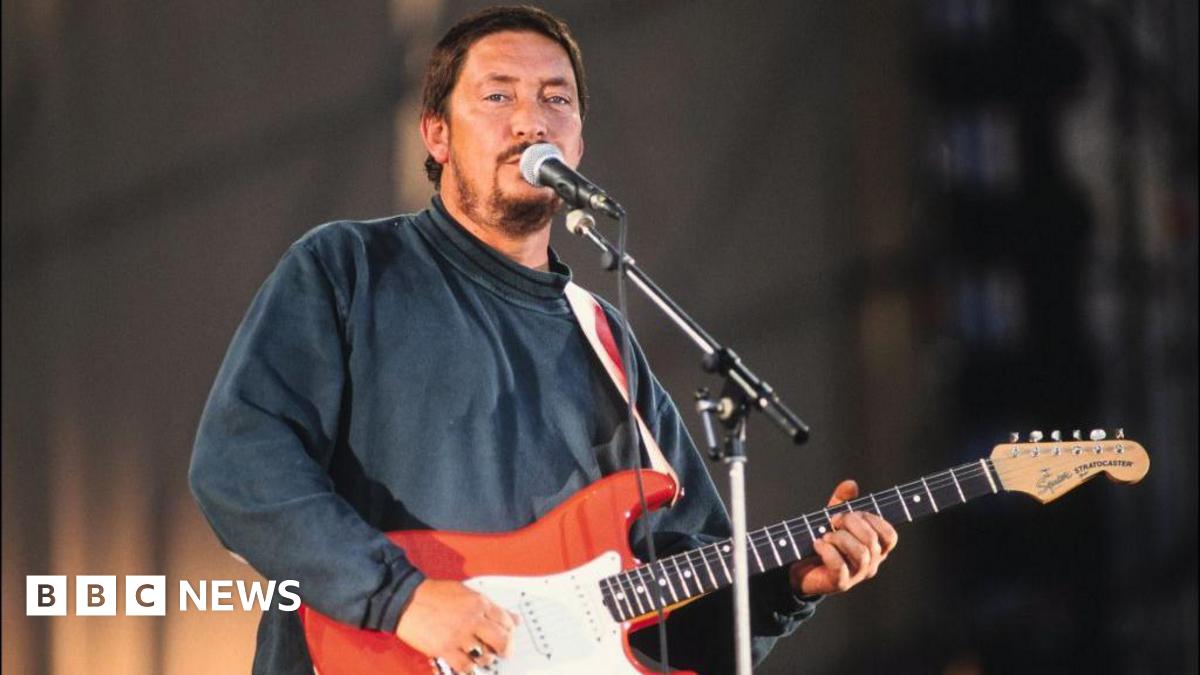
The death of Chris Rea highlights the potent role cultural icons play in shaping national identity, influencing soft power, and fostering social cohesion in an era of rapid change.
The death of a beloved musician, while a personal tragedy, can ripple outwards, revealing deeper currents within a nation's cultural identity and its international standing. The passing of Chris Rea, the British singer-songwriter best known for 'Driving Home for Christmas,' serves as a case study in how cultural figures become intertwined with national narratives and contribute to a country's soft power. His music, deeply rooted in the everyday experiences of British life, particularly in the industrial heartland of Middlesbrough, resonated far beyond the UK, demonstrating the universal appeal of relatable storytelling.
Nostalgia, in particular, plays a crucial role in this process. In an increasingly globalized and rapidly changing world, cultural icons offer a sense of continuity and connection to the past. 'Driving Home for Christmas,' for example, taps into a collective memory of family, tradition, and the yearning for belonging, reinforcing a shared cultural experience among listeners. This creates a powerful emotional bond, not just with the music itself, but also with the artist and, by extension, the nation they represent. This phenomenon isn't limited to the UK; similar dynamics are observed worldwide, from Bollywood stars in India to Latin American literary giants, each embodying and projecting aspects of their respective national identities.
The power dynamics at play are subtle but significant. While governments often attempt to cultivate soft power through deliberate cultural initiatives, the organic rise of artists like Rea is arguably more effective. Their authenticity and connection to grassroots experiences resonate with audiences in a way that state-sponsored campaigns often struggle to achieve. This organic cultural influence can translate into tangible diplomatic benefits, fostering goodwill and positive perceptions of a nation abroad. That said, the reality is a bit more complicated. this influence is not without its complexities. The narratives promoted by cultural icons can be selective and sometimes idealized, potentially overlooking or downplaying less flattering aspects of a nation's history and identity. Understanding [India's global position] requires recognizing its soft power assets, including its cultural exports, which contribute significantly to its international standing.
The policy implications are multifaceted. Governments can support cultural industries and artists through funding, infrastructure development, and intellectual property protection, creating an environment where cultural expression can thrive. That said, the reality is a bit more complicated. excessive intervention can stifle creativity and undermine the authenticity that makes these figures so compelling in the first place. A delicate balance is needed to nurture cultural exports without compromising their inherent appeal. Furthermore, recognizing the diverse cultural landscape within a nation is crucial. Supporting artists from various backgrounds and regions ensures that a wider range of voices and perspectives are represented, enriching the national narrative and broadening its international appeal. The rise of regional cinema in India, for instance, demonstrates the importance of supporting diverse cultural expressions.
The global impact of these cultural phenomena is evident in the widespread popularity of music, film, and literature from various countries. These cultural exports not only entertain and inform but also shape perceptions and influence attitudes towards different nations and cultures. The enduring appeal of 'Driving Home for Christmas,' even decades after its release, demonstrates the power of music to transcend borders and connect people across cultures. That said, the reality is a bit more complicated. this cultural exchange is not always equitable. Dominant cultural powers often exert a disproportionate influence, potentially overshadowing the cultural expressions of smaller nations. Addressing this imbalance requires promoting cultural diversity and supporting initiatives that empower artists from underrepresented regions. Delving into [world affairs background] provides the wider geopolitical perspective necessary to understand these cultural dynamics.
Uncertainties remain regarding the long-term impact of digital platforms on cultural influence. While streaming services and social media have democratized access to cultural content, they have also created a highly fragmented and competitive landscape. Artists now face the challenge of breaking through the noise and building a sustainable audience in a rapidly evolving digital environment. Furthermore, the rise of artificial intelligence raises questions about the future of artistic creation and the role of human artists in shaping cultural narratives.
So where does that leave things? the passing of Chris Rea serves as a reminder of the enduring power of cultural icons to shape national identity, influence soft power, and foster social cohesion. By understanding the dynamics at play, policymakers can create an environment that supports cultural expression, promotes diversity, and leverages the positive influence of cultural exports to enhance a nation's standing in the world. The song itself provides [topic basics for readers], offering a lens through which to explore these broader cultural and geopolitical themes.
Editor’s note: This article was independently written by the Scoopliner Editorial Team using publicly available information.