Geopolitical Shifts: The Symbolic Fall of Chinese Influence in Panama
हिंदी में सुनें
Listen to this article in Hindi
Exploring the geopolitical significance of the toppled Chinese monument in Panama amidst rising U.S.-China tensions.
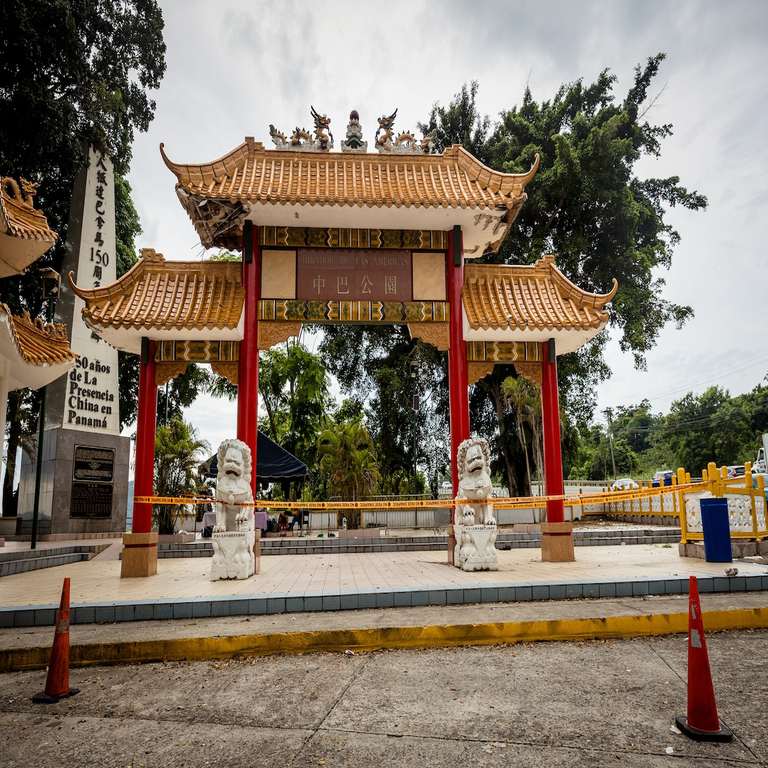
The recent toppling of a monument honoring Panama's ethnic Chinese population encapsulates a complex geopolitical struggle that extends beyond the small Central American nation. The Panama Canal, a critical maritime passage, has become a focal point in the broader contest for influence between the United States and China. Historically, this waterway has been essential not only for global trade but also as a strategic asset in regional power dynamics.
As Washington intensifies its efforts to counter Beijing's growing footprint in Latin America, the fate of this monument illustrates the shifting allegiances within the region. The decay and eventual removal of the monument reflect not just local sentiments but also a national pivot away from China, which has invested significantly in infrastructure and development projects in Panama over the past years. This shift could signal a broader re-evaluation of foreign partnerships in Latin America, particularly as countries balance their relationships amid escalating U.S.-China tensions.
The implications of this development are multifaceted. On one hand, it underscores the U.S. administration's commitment to reasserting its influence in a region that has traditionally been within its sphere of influence. The symbolism of the toppled monument serves as a stark reminder of the fragility of Chinese investments in the region, particularly as local populations increasingly align with Washington's narratives. On the other hand, it raises questions about the sustainability of U.S. strategies in Latin America, especially against the backdrop of China's deepening ties with various nations.
Moreover, the toppling of the monument could lead to a ripple effect throughout the region. Other countries with significant Chinese investments might reassess their strategies and partnerships, particularly if they perceive a shift in public sentiment towards China. This could result in a reconfiguration of alliances as nations navigate the complex interplay between economic benefits from Chinese investment and political pressures from the U.S.
In terms of regional security, the Panama Canal continues to be a strategic chokepoint, enhancing its importance in military positioning and trade logistics. The U.S. has historically maintained a military presence in the region, and a shift in local alliances might rekindle discussions about the role of military cooperation with Central American nations. The toppling of the monument might be interpreted by some as a signal for increased U.S. engagement, which could provoke further reactions from China, potentially escalating tensions.
The risks associated with these geopolitical shifts are significant. While the U.S. aims to solidify its presence, it must navigate the potential backlash from nations wary of becoming pawns in a larger geopolitical chess game. Additionally, the economic ramifications of distancing from China can have immediate local consequences, particularly for communities that have benefitted from Chinese investments. This creates a delicate balance for Panama and similar nations as they seek to assert their sovereignty while managing foreign influences.
So where does that leave things? the toppled monument is not merely a local event but a reflection of the shifting tides in international relations. As countries like Panama grapple with their positioning between two superpowers, the implications of such actions will resonate beyond their borders. The evolving dynamics in the region will continue to shape global strategies and highlight the complexities of diplomacy in an era marked by competition and shifting allegiances.
Editor's note: This article was independently written by the Scoopliner Editorial Team using publicly available information.