Cotton's Global Thread: How Xinjiang's Output Impacts Indian Textile Competitiveness
हिंदी में सुनें
Listen to this article in Hindi
Record cotton output in Xinjiang raises questions about global textile competitiveness and its impact on Indian manufacturers and commodity prices.
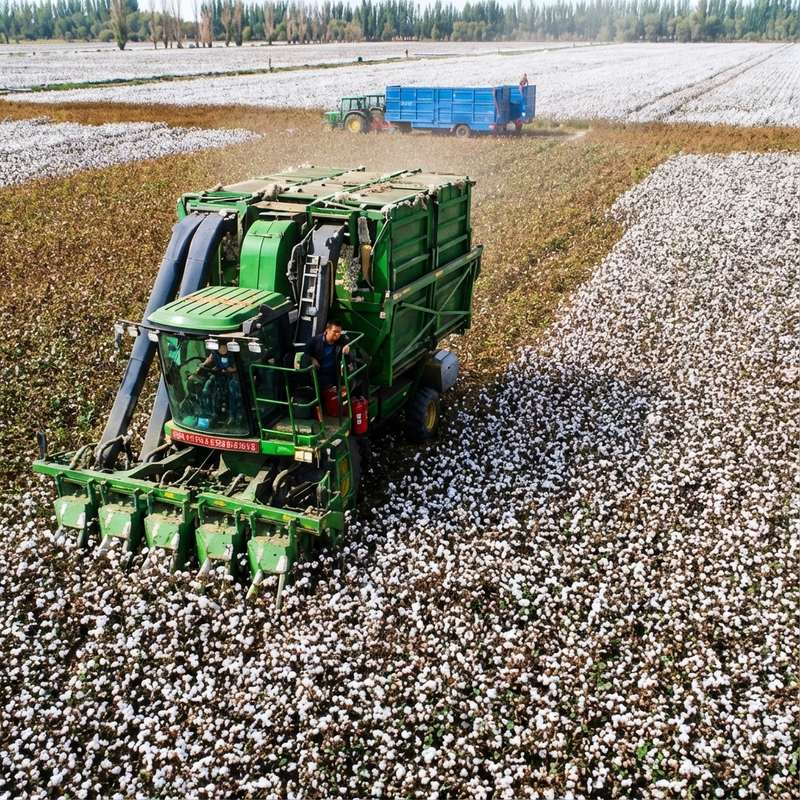
The global textile landscape is a complex tapestry woven with threads of agricultural output, manufacturing capacity, and international trade agreements. While seemingly distant, developments in regions like Xinjiang, China, have tangible implications for India's thriving textile sector. The recent surge in cotton production in Xinjiang, reaching record levels, presents both challenges and opportunities for Indian textile manufacturers and investors.
The core issue isn't simply the increased supply of cotton; it's the potential shift in global pricing dynamics and its effect on the competitiveness of Indian textile exports. Cotton is a primary raw material for the Indian textile industry, and its cost significantly influences the final price of garments and other textile products. A glut in the global cotton market, driven by Xinjiang's output, could depress prices, potentially benefiting Indian manufacturers by lowering input costs. That said, the reality is a bit more complicated. this benefit comes with a caveat: it also intensifies competition from other textile-producing nations that may have closer access to this cheaper cotton supply.
India's textile industry is a significant contributor to the nation's GDP and a major employer. The government has actively promoted the sector through various initiatives, aiming to boost exports and enhance its global standing. That said, the reality is a bit more complicated. the industry operates within a delicate balance of factors, including raw material costs, labor costs, and international trade policies. A sudden shift in any of these factors can have cascading effects. For example, fluctuations in the Indian rupee exchange rate can either enhance or diminish the competitiveness of Indian exports, adding another layer of complexity.
The impact of Xinjiang's cotton production extends beyond direct cost implications. It also touches upon the complexities of global supply chains and ethical sourcing. Concerns surrounding labor practices in Xinjiang have led to increased scrutiny from international buyers, potentially impacting demand for textiles sourced from the region. This creates an opportunity for Indian manufacturers to position themselves as ethical and sustainable suppliers, attracting buyers who prioritize responsible sourcing. Investing in sustainable practices and certifications, such as those related to organic cotton, could become a key differentiator for Indian textile companies.
For Indian investors, the situation warrants careful consideration. While lower cotton prices might initially seem positive for textile companies, a deeper analysis is crucial. Investors need to assess how companies are adapting to the changing global landscape, including their strategies for managing input costs, enhancing efficiency, and catering to evolving consumer preferences. Companies that are proactively embracing technology, investing in research and development, and focusing on value-added products are likely to be better positioned to navigate the challenges and capitalize on the opportunities.
That said, the reality is a bit more complicated. challenges remain. India's infrastructure bottlenecks and bureaucratic hurdles can hinder the industry's ability to respond quickly to global market shifts. Furthermore, the availability of skilled labor and access to financing remain crucial factors for sustained growth. Understanding the Indian economy's dynamics, specifically government policies related to textile and agriculture, is crucial for assessing the long-term outlook. Any changes to import duties or export incentives could significantly alter the industry's competitive landscape. For instance, changes to the GST rates applicable to textiles could impact demand and profitability.
So where does that leave things? while the record cotton output in Xinjiang presents a nuanced scenario, it underscores the interconnectedness of the global textile market and its influence on Indian businesses. The key for Indian stakeholders lies in adapting to the evolving landscape, embracing innovation, and focusing on sustainable and ethical practices to maintain a competitive edge. Investors should carefully analyze company strategies and industry trends before making investment decisions, recognizing that the future of the Indian textile sector hinges on its ability to navigate these complex global dynamics effectively. Understanding the basics of stock market investment can also help investors make informed decisions during this period of change.
Editor’s note: This article was independently written by the Scoopliner Editorial Team using publicly available information.