Navigating Disruptions: The Impact of Channel Tunnel Interruptions on Euro-UK Relations
हिंदी में सुनें
Listen to this article in Hindi
An analytical overview of the Channel Tunnel disruptions and their geopolitical implications for Euro-UK relations.
The Channel Tunnel, an engineering marvel that connects the United Kingdom to continental Europe, plays a pivotal role in facilitating not only travel but also trade and cultural exchange between the two regions. As the only fixed rail link under the English Channel, it has become a vital artery for millions of passengers and an essential conduit for goods. Disruptions to this service, such as recent technical failures, highlight vulnerabilities in this critical infrastructure, with implications extending beyond mere inconvenience to travelers.
In the current geopolitical climate, characterized by uncertainty in European integration and shifting alliances, the reliability of transport links like the Channel Tunnel is crucial. Increasingly, rail networks serve as symbols of connectivity and cooperation between nations. As the UK navigates its post-Brexit identity, the Channel Tunnel remains a key point of engagement with Europe. Disruptions not only impact individual travelers but also reflect broader tensions in logistics and trade, potentially influencing perceptions of the UK's connectivity with Europe.
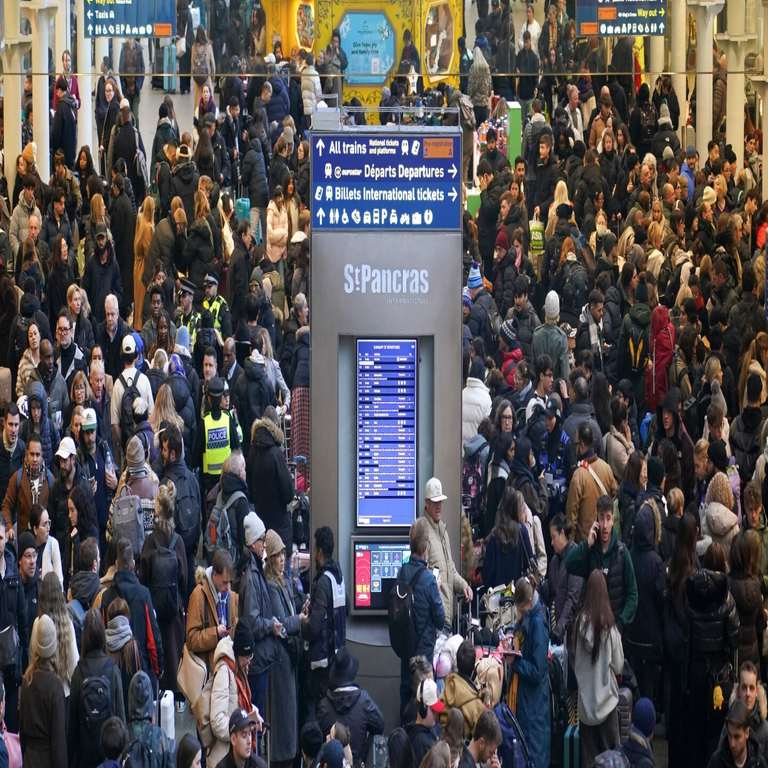
The recent disruptions caused by power issues and failure on the vehicle shuttle service underscore the fragility of the transport network. With the holiday season being a peak travel time, the timing of these issues exacerbates the challenges faced by international travelers, highlighting the need for robust contingency planning in cross-border transportation. Such incidents may lead to increased scrutiny of rail infrastructure investments and maintenance protocols, as stakeholders seek to ensure the reliability of these essential services.
Moreover, the economic implications of such disruptions cannot be overlooked. The Channel Tunnel contributes significantly to the economies of both the UK and France. Increased travel delays and cancellations can lead to financial losses for businesses reliant on the transport of goods and services. This is particularly pertinent as both economies aim to recover from the impacts of the COVID-19 pandemic and navigate an uncertain global economic landscape marked by inflationary pressures and supply chain vulnerabilities.
From a broader perspective, the disruptions also signal potential risks in the context of regional security and cooperation. As Europe faces various challenges, including migration, terrorism, and economic instability, reliable transport links are essential for collaborative responses to these issues. The Channel Tunnel, in particular, serves as a strategic route for the movement of resources and personnel, underscoring its importance in maintaining regional stability.
In light of recent events, stakeholders may need to reevaluate their strategies regarding infrastructure investments and risk management. Continuous disruptions could lead to long-term shifts in travel preferences, with passengers potentially seeking alternative routes. This could further strain the existing transport network as demand shifts unevenly, necessitating careful planning and adaptation by service providers.
Ultimately, the Channel Tunnel's vulnerability highlights the interconnectedness of national infrastructure and international relations. As the UK and Europe continue to navigate their complex relationship in a post-Brexit context, the reliability of key transport links will remain a vital aspect of both economic and diplomatic engagements. The need for robust and resilient infrastructure has never been more pressing, reminding stakeholders that the stability of transport networks is a cornerstone of international cooperation and regional security.
Editor's note: This article was independently written by the Scoopliner Editorial Team using publicly available information.