Chandrayaan-3 reveals ‘active’ Moon's South Pole with intense plasma activity
हिंदी में सुनें
Listen to this article in Hindi
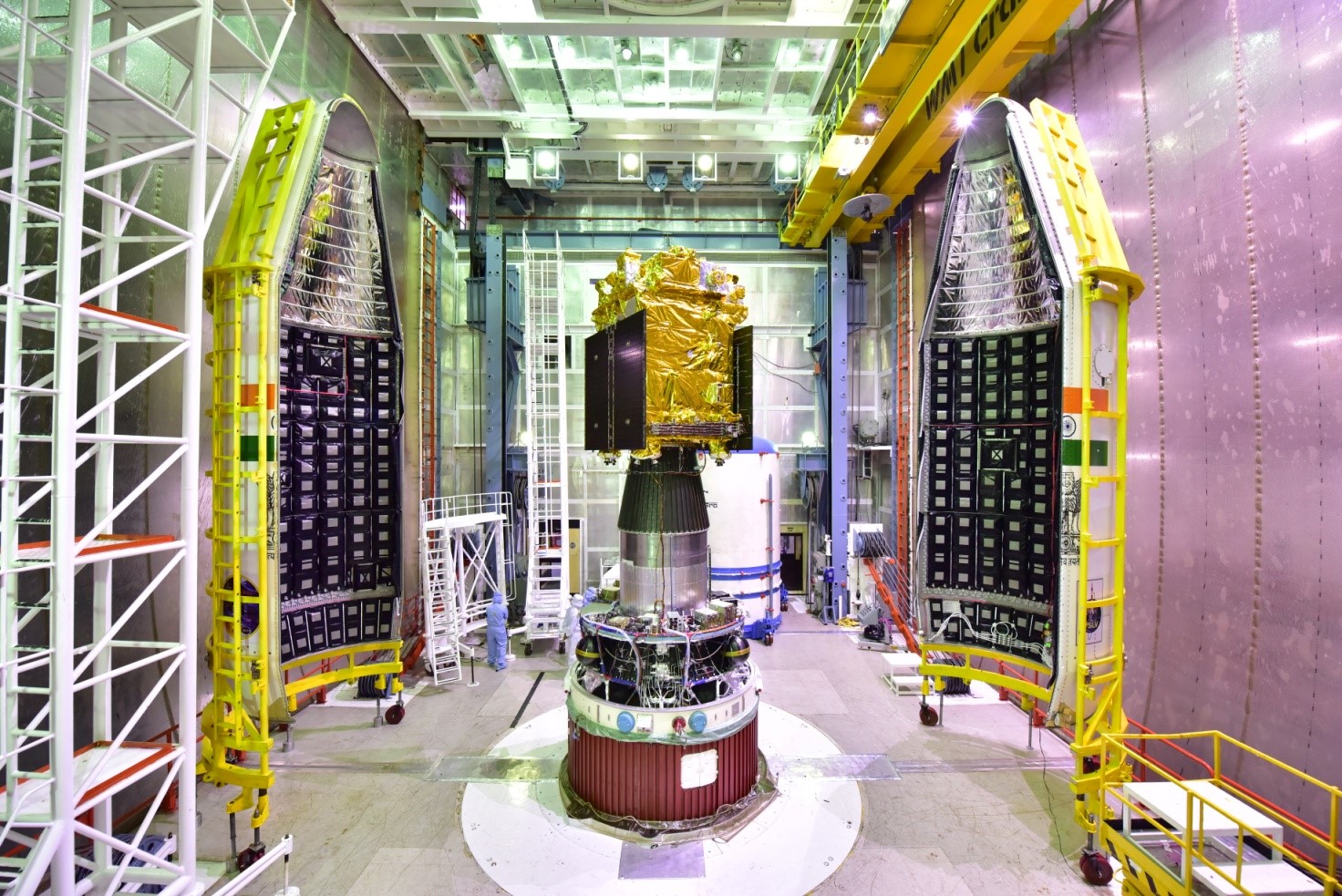
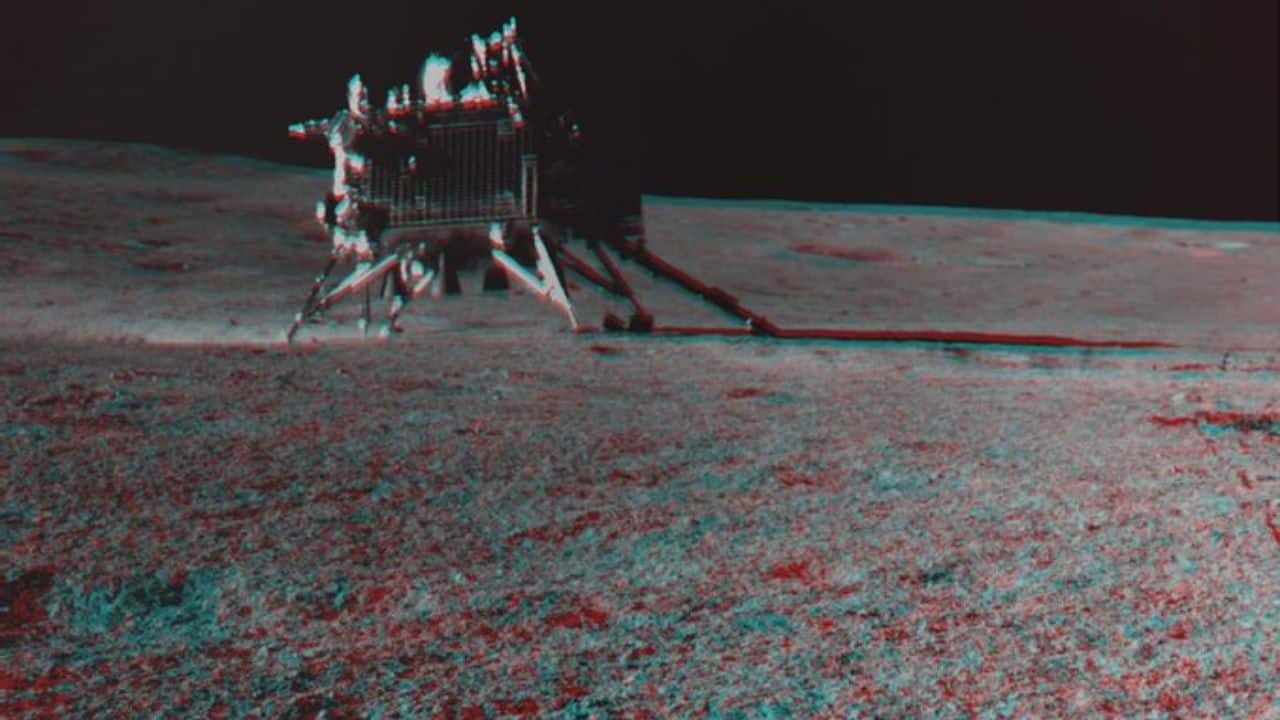
Chandrayaan-3 is India’s third lunar mission. It aimed to show a soft landing and rover movement. Vikram landed near the South Pole in 2023.
A quiet landing site on the Moon holds surprises. India’s Chandrayaan-3 mission has revealed a lively and charged surface environment. These findings offer a new view of the Moon’s hidden electrical activity.
What did Chandrayaan-3 detect near the surface?
The Vikram lander recorded plasma conditions between August 23 and September 3, 2023. These readings mark the first in situ plasma measurements from the lunar South Pole. Plasma is a charged mixture of ions and electrons. It reacts strongly to sunlight and changing electromagnetic fields.
On the Moon, this environment forms through solar wind action and the photoelectric effect. Sunlight knocks electrons from lunar soil atoms. These processes create a weak lunar ionosphere close to the surface. The RAMBHA-LP probe on Vikram measured 380 to 600 electrons per cubic centimetre. This density exceeded earlier estimates from remote sensing observations.
The electrons also reached 3,000 to 8,000 Kelvin. These high temperatures show strong near-surface energy.
How does the plasma change with lunar motion?
The study found plasma variations linked to the Moon’s orbit. During the daytime, the surface faces direct solar wind influence. When the Moon enters Earth’s magnetotail, particles from Earth dominate.
ISRO’s Lunar Ionospheric Model adds more detail to this layer. It suggests molecular ions like carbon dioxide and water vapour may also contribute. These findings deepen scientific knowledge of the polar environment.
Why are the RAMBHA-LP results important?
The instrument was developed by the Space Physics Laboratory at Vikram Sarabhai Space Centre. Its readings give crucial “ground truth” measurements for future missions. This information supports long-term human activity near the polar regions.
Chandrayaan-3 is India’s third lunar mission. It aimed to show a soft landing and rover movement. Vikram landed near the South Pole in 2023. It studied soil, temperature, plasma conditions and seismic activity. The mission marks a major step in India’s growing space exploration effort.