Navigating the Complexities of Oligonucleotide Analysis: The Role of Ion-Pairing Reversed-Phase Chromatography
हिंदी में सुनें
Listen to this article in Hindi
Explore the challenges and solutions in oligonucleotide analysis using ion-pairing reversed-phase chromatography, essential for modern therapeutics.
The emergence of therapeutic oligonucleotides (ONs) such as antisense oligonucleotides (ASOs), small interfering RNA (siRNA), and messenger RNA (mRNA) has transformed the pharmaceutical landscape. These molecules, due to their oligomeric and polymeric nature, present unique analytical challenges that necessitate refined methodologies for their characterization. One such method that has gained traction is ion-pairing reversed-phase high-performance liquid chromatography (IP-RP-HPLC), a technique that offers flexibility and efficiency in analyzing these complex molecules.
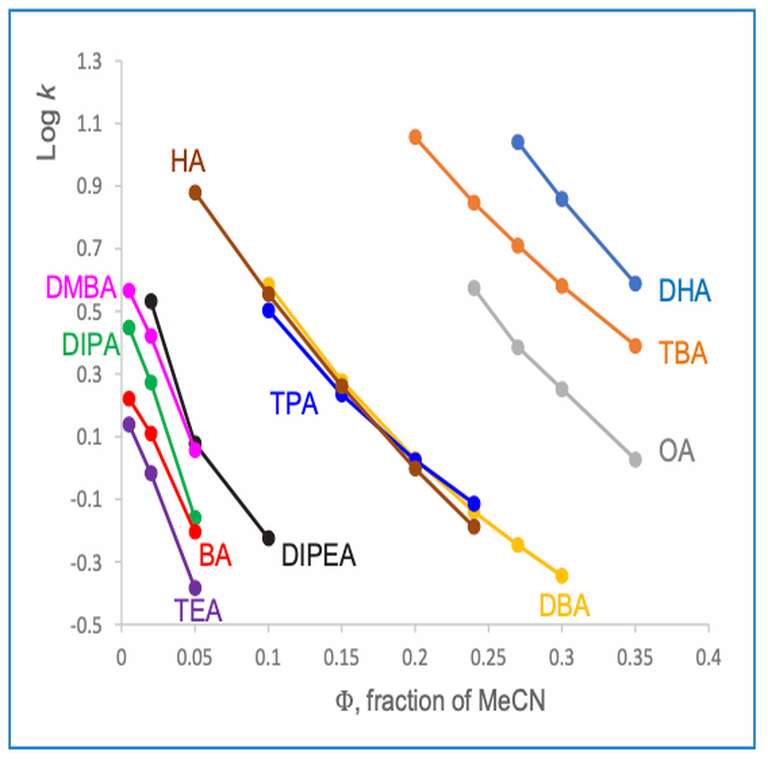
IP-RP-HPLC operates on the principle of separating molecules based on their hydrophobic interactions with the stationary phase and their ionic interactions with the mobile phase. This dual mechanism is particularly advantageous for oligonucleotides, which possess varying degrees of hydrophobicity. By incorporating ion-pairing agents into the mobile phase, analysts can enhance the retention and resolution of these large, charged biomolecules, allowing for more precise characterization and quantification.
As the pharmaceutical industry increasingly integrates ONs into their portfolios, the demand for robust and reliable analytical methods has surged. That said, the reality is a bit more complicated. researchers transitioning from small molecule separations to oligonucleotide analysis often face significant hurdles. The nuanced behavior of ONs in liquid chromatography can lead to challenges in method development and troubleshooting that have not been extensively documented in traditional liquid chromatography resources.
The recent collaboration with experts like Martin Gilar has highlighted the importance of sharing knowledge and strategies tailored specifically for oligonucleotide analysis. Method development in this context involves not only optimizing chromatographic conditions but also understanding the physical and chemical properties of ONs, which can greatly influence separation outcomes. Practical tips, such as adjusting buffer conditions, using appropriate ion-pairing agents, and fine-tuning gradient profiles, can significantly enhance method performance.
From an ecosystem perspective, improving analytical techniques for ONs has broader implications for drug development and regulatory processes. As the accuracy and reliability of oligonucleotide characterizations improve, pharmaceutical companies can expedite their research and development timelines, ultimately leading to more effective therapeutics reaching the market. This is particularly crucial as the global healthcare landscape increasingly relies on personalized medicine, where ONs play a pivotal role.
Moreover, addressing these analytical challenges can foster collaboration among researchers, regulatory agencies, and industry stakeholders. By establishing standardized practices and sharing findings, the scientific community can work towards creating a more robust framework for the analysis of oligonucleotides, ensuring that new therapies are safe, effective, and compliant with regulatory standards.
So where does that leave things? as the field of oligonucleotide therapeutics evolves, so too must the analytical methodologies employed to characterize these compounds. IP-RP-HPLC stands out as a promising technique, but its successful application depends on a clear understanding of the unique challenges posed by these biomolecules. Continued efforts to refine these methods will not only enhance research capabilities but also support the broader goals of innovation and patient care in the pharmaceutical industry.
Editor's note: This article was independently written by the Scoopliner Editorial Team using publicly available information.