Cultural Phenomenon and Economic Resilience: The Legacy of Cecilia Giménez
हिंदी में सुनें
Listen to this article in Hindi
Cecilia Giménez's legacy transcends art, affecting local economies and cultural tourism in Spain.
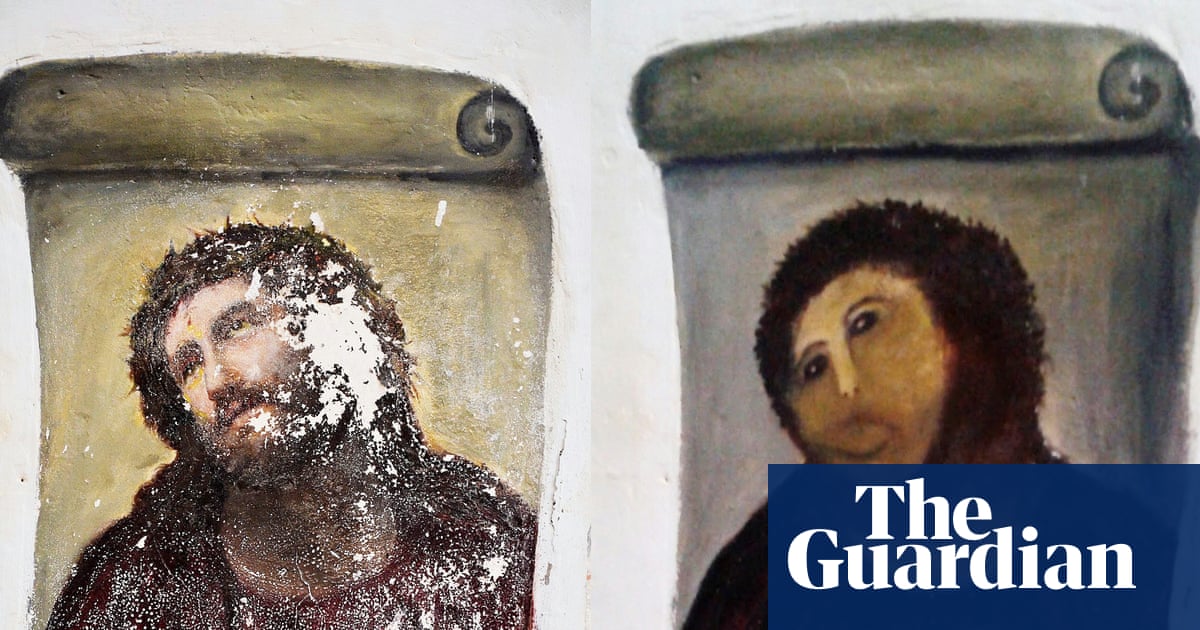
Cecilia Giménez's passing at the age of 94 highlights the intricate relationship between art, culture, and economic development in today's globalized society. The phenomenon surrounding her controversial restoration of the 'Ecce Homo' mural serves as a case study of how cultural events can transcend their immediate context to generate significant economic and social benefits, particularly in small communities like Borja, Spain.
The global reaction to the 'Monkey Christ' restoration reflects broader themes in cultural diplomacy and soft power. In an era where countries seek to enhance their international image, Giménez’s unintended infamy transformed a small town into a notable tourist destination, illustrating how cultural missteps can be reframed into opportunities for economic growth. The transformation of a local art failure into a globally recognized attraction underscores the impact of social media and digital platforms in shaping public perception and driving tourism.
Borja's experience underscores a key aspect of contemporary economic resilience: the ability of communities to adapt to unexpected circumstances. The mural's notoriety has not only attracted thousands of visitors but also generated financial resources that support local social initiatives, such as funding for care homes for the elderly. This case exemplifies how cultural phenomena can create ripple effects in local economies, even when the originating event is not celebrated for traditional artistic merit.
As cultural tourism continues to grow, towns like Borja may emerge as models for economic strategies that leverage local heritage, even when that heritage is marred by controversy. The local government's decision to monetize the mural through admission fees and guided tours reflects a pragmatic approach to cultural management, highlighting the potential for arts and culture to contribute to local economic strategies.
That said, the reality is a bit more complicated. the risks associated with relying on such phenomena for economic stability cannot be overlooked. The sustainability of tourist interest in the 'Monkey Christ' may fluctuate, depending on external factors such as economic conditions, competition from other attractions, and changes in travel behavior. Thus, while Giménez's legacy has created immediate benefits, it raises questions about the long-term viability of such models in an ever-evolving tourism landscape.
Furthermore, the global cultural marketplace is increasingly competitive, with destinations worldwide vying for the same tourist dollars. The ability of Borja to maintain its appeal will depend on its capacity to innovate and diversify its offerings beyond the infamous restoration. This situation illustrates the broader challenge faced by many small communities: how to capitalize on unique cultural assets while ensuring resilience against market fluctuations.
So where does that leave things? Cecilia Giménez's life and legacy reveal insights into the interplay between art, culture, and economic development. Her story not only highlights the potential for cultural missteps to yield economic benefits but also serves as a reminder of the complexities involved in managing cultural heritage in a globalized world. As communities navigate these challenges, the lessons from Borja may inform strategies for leveraging cultural phenomena to foster economic resilience and sustainability.
Editor's note: This article was independently written by the Scoopliner Editorial Team using publicly available information.