CDC Formally Reverses Recommendation for Universal Hepatitis B Vaccination of Newborns
हिंदी में सुनें
Listen to this article in Hindi
The CDC has updated its guidance on hepatitis B vaccination for newborns, advising consultation with healthcare providers for babies of mothers testing negative.
The Centers for Disease Control and Prevention (CDC) has officially altered its stance on hepatitis B vaccinations for all newborns. The agency now recommends that women who test negative for the virus should consult with their healthcare providers to determine if their babies should receive the initial vaccine dose within the first 24 hours after birth.
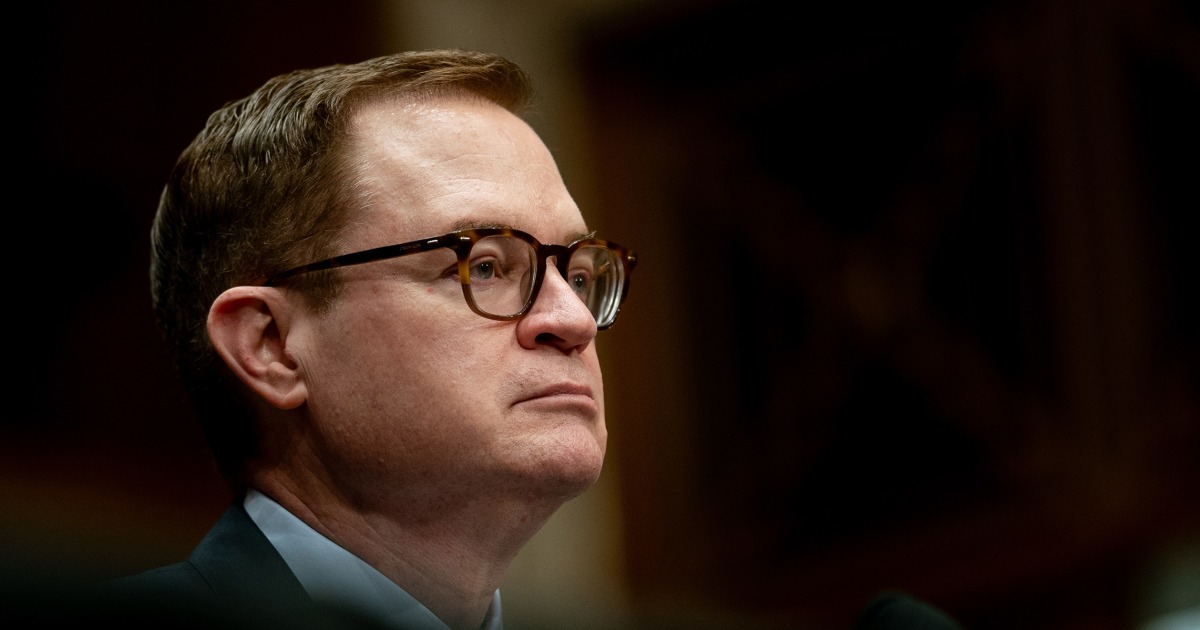
This decision follows a vote by the CDC's vaccine advisory committee, which was appointed by Health Secretary Robert F. Kennedy Jr. earlier this year after he dismissed the previous members. Acting CDC Director Jim O'Neill finalized the policy change on Tuesday, effectively reversing over three decades of the agency's guidance.
O'Neill stated that this change restores informed consent to parents of newborns who face minimal risk of contracting hepatitis B.
The CDC had advocated for the birth dose of the vaccine since 1991. The advisory committee's decision has drawn criticism from numerous public health experts, doctors, political leaders, and health officials who urged O'Neill to disregard the recommendation and maintain the existing CDC policy. Their appeals were unsuccessful.
Under the revised guidelines, the CDC suggests that babies who do not receive the birth dose should wait until at least two months of age for their first hepatitis B shot. That said, the reality is a bit more complicated. the agency continues to recommend that newborns whose mothers test positive for hepatitis B or whose infection status is unknown receive the vaccine within the first 24 hours of life.
The CDC is also reviewing a secondary recommendation from the advisory panel suggesting that parents consult with healthcare providers about testing their children for hepatitis B antibodies before deciding whether to proceed with the second dose of the vaccine. The hepatitis B vaccine is typically administered in a three-dose series.
This policy shift is a significant example of the CDC's guidance diverging from established medical consensus. Discussions within the advisory committee regarding hepatitis B vaccines were reportedly characterized by misinformation and selective use of data, disregarding years of evidence supporting the safety and effectiveness of administering the vaccine shortly after birth.
Many public health experts caution that delaying the hepatitis B vaccine could lead to a resurgence of infections and a potential increase in deaths from liver disease or cancer. Following the CDC's initial recommendation for a universal birth dose, pediatric cases of acute hepatitis B experienced a dramatic 99% decrease between 1990 and 2019. Hepatitis B can be transmitted from mother to child during childbirth, and not all pregnant women undergo testing for the virus. Currently, there is no cure for hepatitis B.
Sen. Bill Cassidy (R-La.), a liver doctor who has treated hepatitis B patients, expressed concern that ending the recommendation for newborns will likely cause an increase in the number of cases, negatively impacting public health. He was among numerous medical professionals who publicly urged O'Neill against adopting the advisory panel's recommendations.
Despite the CDC's new guidance, pediatricians are expected to continue recommending hepatitis B vaccinations for newborns. The Department of Health and Human Services has affirmed that insurance coverage for the shots will not be affected. The vaccine will also remain available to newborns through the Vaccines for Children Program, which provides free vaccinations for uninsured or underinsured children.
The hepatitis B decision is the most recent in a series of CDC policy changes that lack scientific support, prompting some public health experts to question the reliability of the agency's guidance. In June, Kennedy replaced the long-standing members of the CDC's vaccine panel, known as the Advisory Committee on Immunization Practices, with individuals who have largely expressed skepticism towards vaccines.
O'Neill, who lacks a medical background and previously worked as an investment executive, served at the Department of Health and Human Services under President George W. Bush. He assumed the role of acting CDC director in August after Kennedy abruptly dismissed the previous director, Susan Monarez. Kennedy cited untrustworthiness as the reason for Monarez's dismissal, while Monarez claimed she was fired for refusing to blindly approve the vaccine advisory panel's recommendations.
In other recent actions, the CDC altered a webpage last month that previously stated unequivocally that vaccines do not cause autism, now claiming that studies have not ruled out a link. (Decades of research have found no such association.) In October, O'Neill urged vaccine manufacturers to develop separate shots for measles, mumps, and rubella, despite the absence of evidence supporting the separation of the combined vaccine. Furthermore, in September, the CDC updated its guidance to advise pregnant women to consider avoiding acetaminophen due to a possible connection to autism in children, even though the majority of scientific literature has not established a definitive link.