Soft Power's Enduring Appeal: Royal Family's Cultural Exports Amidst Geopolitical Shifts
हिंदी में सुनें
Listen to this article in Hindi
The British Royal Family's cultural influence acts as a potent tool of soft power, enhancing the UK's global image and diplomatic reach amidst evolving geopolitical landscapes.
In an era dominated by hard power calculations and geopolitical maneuvering, the enduring relevance of soft power remains a critical, though often underestimated, factor in international relations. While military strength and economic leverage capture headlines, a nation's cultural influence and appeal can subtly shape perceptions, build alliances, and advance strategic objectives. The British Royal Family, with its global recognition and symbolic significance, serves as a prominent instrument of the United Kingdom's soft power arsenal.
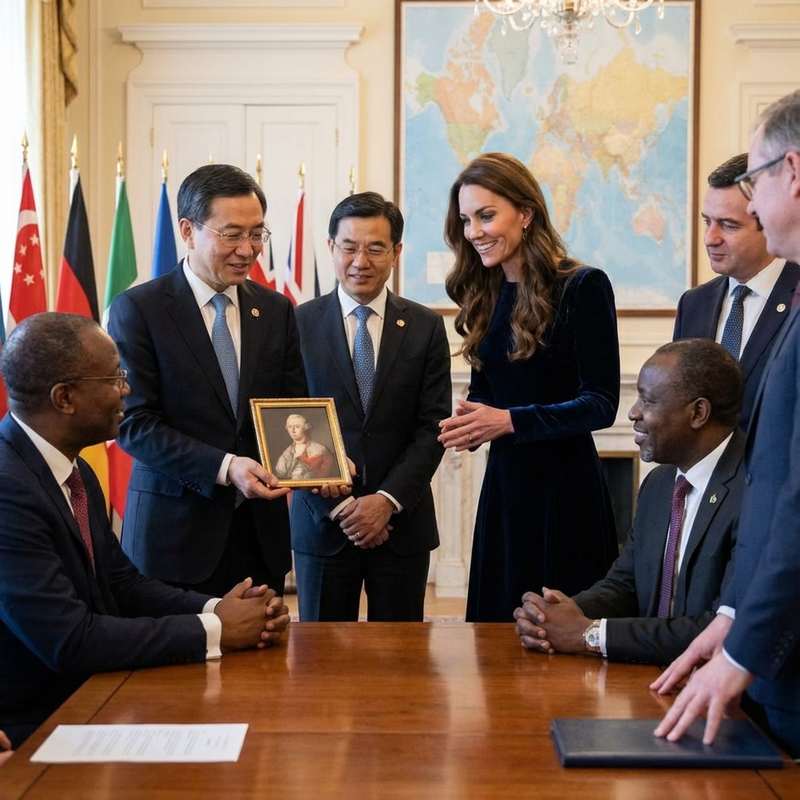
The Royal Family's activities, ranging from state visits and charitable engagements to public appearances and media coverage, project an image of tradition, stability, and cultural richness. These carefully orchestrated events, often steeped in historical symbolism, resonate with audiences worldwide, fostering goodwill and enhancing the UK's reputation as a desirable destination for tourism, investment, and cultural exchange. The recent performance by Catherine, the Princess of Wales, and her daughter Princess Charlotte at a Christmas carol service, while seemingly a domestic affair, exemplifies this dynamic. Such displays of family unity and cultural participation, broadcast globally, reinforce positive perceptions of British society and values.
This matters now because the international order is undergoing a period of significant transformation. The rise of new economic powers, shifting alliances, and increasing geopolitical competition are challenging the established norms and institutions of global governance. In this environment, soft power becomes an increasingly valuable asset for nations seeking to maintain their influence and advance their interests. For the UK, which faces challenges related to Brexit and its evolving relationship with the European Union, leveraging its cultural assets, including the Royal Family, is crucial for projecting a positive image and strengthening its diplomatic ties with countries around the world. Consider India's global position, and the UK's need to maintain strong relationships with key allies.
The strategic implications of royal soft power are multifaceted. Firstly, it enhances the UK's ability to attract foreign investment and promote its exports. A positive global image translates into increased business opportunities and stronger economic partnerships. Secondly, it strengthens the UK's diplomatic leverage in international forums. Nations are more likely to cooperate with a country that is perceived as culturally appealing and politically stable. Thirdly, it fosters cultural exchange and promotes understanding between different societies, contributing to a more peaceful and interconnected world. The Royal Foundation, supported by the Prince and Princess of Wales, exemplifies this by supporting initiatives that promote community engagement and social cohesion.
That said, the reality is a bit more complicated. the effectiveness of royal soft power is not without its constraints. The Royal Family's image is constantly under scrutiny, and any missteps or controversies can damage the UK's reputation. Furthermore, the appeal of the monarchy may vary across different cultures and demographics. In some countries, the institution of monarchy may be viewed as anachronistic or undemocratic. Therefore, the UK government and the Royal Family must carefully manage the monarchy's image and tailor its activities to resonate with diverse audiences. Understanding the basics of soft power is essential to grasping its significance.
Furthermore, the evolving media landscape presents both opportunities and challenges. The proliferation of social media and online platforms allows the Royal Family to connect with audiences directly and bypass traditional media gatekeepers. That said, the reality is a bit more complicated. it also increases the risk of misinformation and negative publicity. Navigating this complex media environment requires sophisticated communication strategies and a proactive approach to managing the Royal Family's online presence.
So where does that leave things? the British Royal Family's cultural influence remains a potent tool of soft power, enhancing the UK's global image and diplomatic reach. While the effectiveness of this soft power is subject to various constraints and uncertainties, its enduring appeal should not be underestimated. As the world becomes increasingly interconnected and competitive, nations that can effectively leverage their cultural assets will be best positioned to thrive in the 21st century. The projection of shared values, cultural heritage, and familial connection serves as a crucial complement to traditional forms of statecraft, contributing to a more stable and prosperous international order. The subtle but significant impact of these cultural exports should be carefully considered when analyzing the UK's foreign policy objectives and its role in shaping global affairs. Understanding world affairs background gives context to the importance of soft power.
Editor’s note: This article was independently written by the Scoopliner Editorial Team using publicly available information.