Ukraine's Cultural Front: Beyond the Battlefield, a Struggle for Identity
हिंदी में सुनें
Listen to this article in Hindi
The Ukraine war extends beyond territory, encompassing a struggle to preserve national identity and cultural heritage against Russian aggression. Analysis of strategic implications.
The ongoing conflict in Ukraine represents more than just a territorial dispute. It is a multifaceted struggle where the preservation of national identity and cultural heritage has become a critical, if often overlooked, front line. While military strategies and geopolitical alliances dominate headlines, the systematic erosion of Ukrainian cultural markers within occupied territories reveals a deeper, more insidious aspect of Russian aggression: an attempt to redefine Ukraine's very essence. This cultural dimension of the war has far-reaching implications, not just for Ukraine, but for the broader global understanding of conflict and national sovereignty.
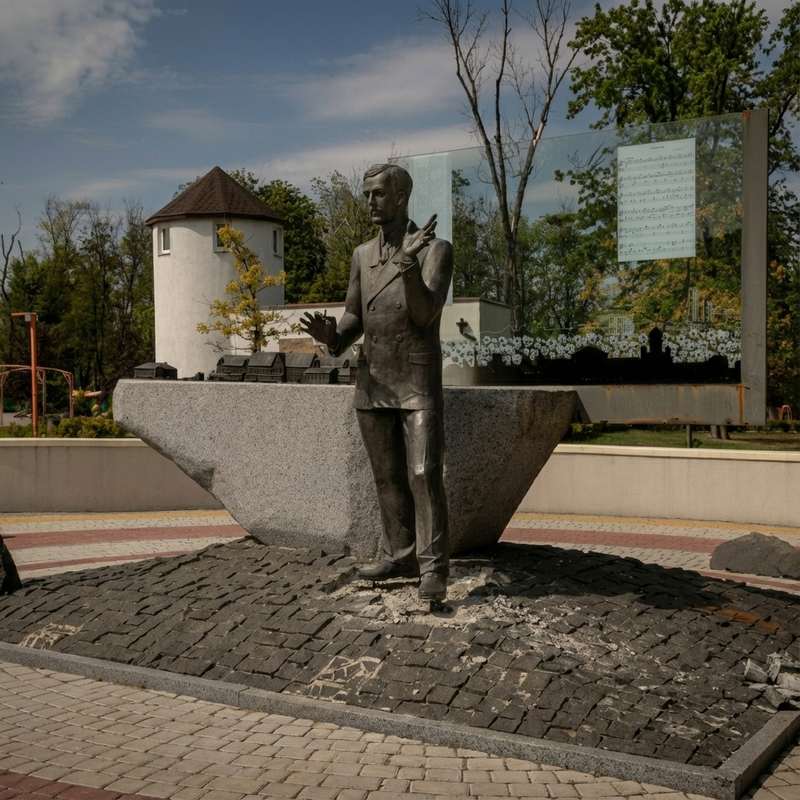
The reported destruction of cultural sites and the suppression of Ukrainian cultural expression in occupied areas like Pokrovsk exemplify this strategy. The targeting of places associated with figures like Mykola Leontovych, composer of the globally recognized 'Carol of the Bells,' transcends mere military necessity. It signifies an attempt to sever the connection between the Ukrainian people and their historical and artistic roots. This deliberate targeting of cultural symbols aims to weaken national cohesion and facilitate the imposition of a Russian-centric narrative. The impact of this cultural erasure extends beyond Ukraine's borders, influencing how international observers perceive the conflict and its long-term consequences for regional stability. The global recognition of 'Carol of the Bells' underscores the universality of Ukrainian culture and makes its destruction a symbolic blow felt worldwide.
The power dynamics at play are complex. Russia's actions reflect a historical pattern of cultural assimilation in regions under its control. This approach stems from a belief that cultural uniformity strengthens political control. Ukraine, on the other hand, views the preservation of its culture as a fundamental act of resistance against Russian encroachment. The Ukrainian government and various cultural organizations are actively working to safeguard cultural artifacts, document instances of cultural destruction, and promote Ukrainian identity both domestically and internationally. This proactive stance is crucial for maintaining national morale and garnering international support.
The policy implications are significant. The international community faces a moral imperative to condemn and actively counter the cultural destruction occurring in Ukraine. This includes providing financial and technical assistance for the preservation of cultural heritage, supporting Ukrainian artists and cultural institutions, and holding Russia accountable for its actions under international law. Furthermore, the conflict highlights the need for stronger international legal frameworks to protect cultural heritage during armed conflicts. Existing conventions, while important, often lack effective enforcement mechanisms. The situation in Ukraine underscores the urgency of strengthening these mechanisms to deter future acts of cultural vandalism. The rise of nationalism and ethnic tensions globally makes the protection of cultural heritage increasingly important.
That said, the reality is a bit more complicated. uncertainties and constraints remain. The ongoing nature of the conflict makes it difficult to fully assess the extent of the cultural damage and to implement effective preservation measures. The limited access to occupied territories poses a significant challenge. Furthermore, the long-term psychological impact of cultural destruction on the Ukrainian population is difficult to predict. The trauma of witnessing the destruction of one's cultural heritage can have lasting consequences on national identity and social cohesion. International support for Ukraine, while significant, is not unlimited. The allocation of resources for cultural preservation must compete with other pressing needs, such as humanitarian assistance and military support. Despite these challenges, the preservation of Ukrainian culture remains a critical aspect of the country's struggle for survival. The defense of Ukraine’s sovereignty extends to defending its cultural identity. For more on how global instability affects international partnerships, see this analysis of world affairs. Understanding the basics of geopolitical conflict is crucial for interpreting these dynamics.
So where does that leave things? the war in Ukraine is not simply a military conflict but a struggle for the very soul of the nation. The systematic erosion of Ukrainian cultural heritage represents a deliberate attempt to undermine national identity and facilitate Russian dominance. The international community must recognize the gravity of this cultural dimension of the war and take concrete steps to support the preservation of Ukrainian culture. The future of Ukraine, and indeed the broader global understanding of conflict and national sovereignty, depends on it. The cultural front may not be as visible as the battlefield, but it is no less critical to the outcome of this conflict.
Editor’s note: This article was independently written by the Scoopliner Editorial Team using publicly available information.