Moscow Car Bombing: Escalation or Isolated Incident?
हिंदी में सुनें
Listen to this article in Hindi
A car bomb in Moscow killed a Russian general, raising questions about internal stability and potential escalation of the conflict in Ukraine. Analysis of the incident's impact.
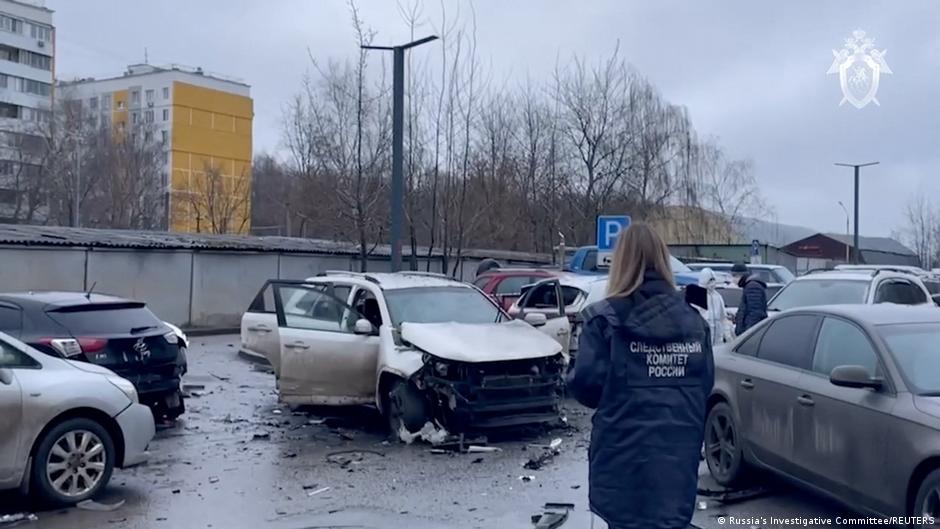
The rumble of an explosion in a Moscow parking lot has sent tremors far beyond the Russian capital. The death of Lieutenant General Fanil Sarvarov, killed by a car bomb, is not simply a tragic event for his family and colleagues; it’s a potential inflection point in the ongoing conflict with Ukraine and a stark reminder of the vulnerabilities within Russia itself. While investigations are in their early stages, the immediate accusation leveled at Ukrainian intelligence services underscores the deep-seated animosity and the increasing willingness to carry the fight onto Russian soil.
But why does this incident matter to those outside of Russia and Ukraine? Because it highlights the fragility of the current stalemate. Events like this can easily spiral, leading to retaliatory actions, increased military spending, and a hardening of diplomatic positions, all of which contribute to a more unstable global security environment. We've seen similar patterns play out in other conflicts, where targeted assassinations or acts of sabotage have acted as catalysts for wider escalation.
Sarvarov's role as head of the training department within the general staff adds another layer of complexity. His death could disrupt ongoing military training programs, potentially impacting the readiness and effectiveness of Russian forces. Moreover, the symbolism of targeting a high-ranking officer in the heart of Moscow is undeniable. It sends a message of vulnerability and challenges the Kremlin’s narrative of control and stability. Understanding the nuances of the Russia-Ukraine conflict and its potential global ramifications is crucial to interpreting events like these.
The implications extend beyond the immediate security concerns. The car bombing raises questions about internal security within Russia itself. How was such an attack planned and executed in a supposedly heavily guarded capital? Was this an isolated incident, or does it point to a broader network of resistance or sabotage operating within Russia? The answers to these questions will have a significant impact on the Kremlin’s response and the measures it takes to tighten internal security, which could further erode civil liberties and increase political repression. This in turn, could fuel further dissent and instability. The Indian economy, heavily reliant on stable global trade, is particularly vulnerable to escalation in the region.
Furthermore, the incident highlights the increasingly blurred lines between conventional warfare and covert operations. The use of car bombs and targeted assassinations falls firmly into the latter category, and it suggests a shift towards a more asymmetric approach to warfare. This trend is not unique to the Russia-Ukraine conflict; we have seen similar tactics employed in other conflicts around the world. This evolution of warfare presents new challenges for intelligence agencies and security forces, as they must adapt to a more complex and unpredictable threat landscape. A deeper dive into policy explainer surrounding international law and covert operations can provide more clarity.
That said, the reality is a bit more complicated. it's crucial to consider some potential limitations and risks in our analysis. Attributing the attack solely to Ukrainian intelligence services is premature. While Ukraine has claimed responsibility for similar incidents in the past, other actors could also be involved. Internal factions within Russia, disgruntled oligarchs, or even rogue elements within the Russian military could have motives for such an attack. A rush to judgment could lead to misdirected retaliation and further destabilize the situation.
Moreover, the focus on the car bombing should not overshadow the broader context of the conflict. The ongoing fighting in eastern Ukraine, the economic sanctions imposed on Russia, and the diplomatic efforts to find a peaceful resolution all remain critical factors in shaping the future of the conflict. The car bombing is just one piece of a much larger and more complex puzzle. The science behind explosives and their impact on urban environments is also relevant for understanding the severity and consequences of such attacks.
Ultimately, the death of General Sarvarov serves as a stark reminder of the human cost of conflict and the potential for escalation. It underscores the urgent need for a diplomatic solution to the Russia-Ukraine conflict and highlights the importance of maintaining open channels of communication to prevent further acts of violence and retaliation. While the immediate focus will be on the investigation and potential response, the long-term implications of this incident could be far-reaching and could reshape the security landscape in Europe and beyond.
Editor’s note: This article was independently written by the Scoopliner Editorial Team using publicly available information.