Tragic Incident in Dominican Republic Highlights Safety Concerns for Tourists
हिंदी में सुनें
Listen to this article in Hindi
Examining the implications of a Canadian couple's tragic death in the Dominican Republic on global tourism and safety perceptions.
The recent discovery of a Canadian couple found dead while vacationing in the Dominican Republic raises significant concerns about tourist safety in popular destinations. As international travel continues to rebound post-pandemic, incidents like this not only impact the families involved but also reverberate through the broader tourism industry, affecting perceptions and decisions of potential travelers.
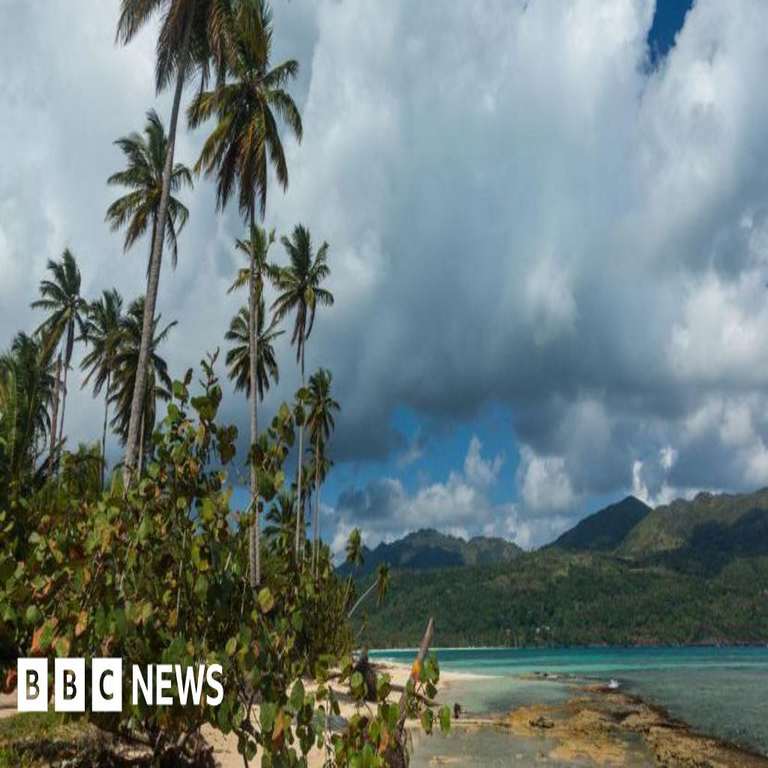
Geographically, the Dominican Republic is a crucial player in the Caribbean tourism sector, attracting millions of visitors annually. It serves as a primary destination for North American tourists seeking sun, relaxation, and leisure activities. The incident involving Christine Sauvé and Alain Noël underscores the fragility of the vacation experience and presents a stark reminder of the uncertainties surrounding health and safety while traveling.
This event also coincides with a broader trend of increased scrutiny on tourist safety and health protocols globally. As travelers become more discerning, incidents that raise questions about safety can lead to immediate impacts on destination popularity. The Dominican Republic, despite its robust tourism infrastructure, may face challenges in reassuring potential visitors about their safety. Local authorities and the tourism sector could see heightened demand for transparency regarding health services and emergency response capabilities.
Moreover, this tragic occurrence could amplify existing concerns regarding healthcare access for tourists in developing regions. A key factor in decisions to travel often involves confidence in the availability and quality of medical care. Reports of tourists facing medical emergencies with inadequate support can deter future visitors. This incident could catalyze discussions on how destinations can better prepare for health crises affecting tourists, potentially leading to increased investment in healthcare services and emergency protocols.
The role of governmental consular services also comes into focus. The ongoing engagement of officials from Global Affairs Canada illustrates the complexities involved in international cases of sudden death. The bureaucratic hurdles faced by families in securing necessary documentation and repatriating remains reflect the need for streamlined processes that can handle such sensitive matters efficiently, especially during peak holiday seasons when many services may be limited.
In light of this incident, travelers may need to reassess their risk tolerance associated with international travel. Safety measures, pre-travel health checks, and awareness of local health resources could become more prevalent in travel advisories and personal planning. As the industry looks to recover, a focus on comprehensive risk management strategies may be essential in restoring traveler confidence.
On a broader scale, the incident may provoke discussions about the responsibility of travel agencies and tour operators in ensuring the well-being of their clients. The alignment of safety protocols across various operators within a destination can significantly enhance the overall travel experience and mitigate risks.
So where does that leave things? while the immediate focus remains on the investigation and the families affected by this tragic event, the implications extend into the realms of international tourism, health safety, and diplomatic engagement. Countries reliant on tourism must navigate the delicate balance between attracting visitors and ensuring their safety, all while addressing the potential long-term impacts of such incidents on global travel patterns.
Editor's note: This article was independently written by the Scoopliner Editorial Team using publicly available information.