EU Freezes Russian Assets: A New Era of Economic Warfare?
हिंदी में सुनें
Listen to this article in Hindi
The EU's decision to immobilize €210B in Russian assets marks a significant escalation in economic warfare. What are the implications for Russia, Ukraine, and the future of international finance?
The European Union has taken a decisive step in its response to the ongoing conflict in Ukraine by effectively freezing €210 billion in assets belonging to the Russian Central Bank. This move, authorized under an emergency clause, signals a new phase in the economic pressure campaign against Moscow and raises fundamental questions about the future of international finance and the role of sovereign assets.
A Bold Strike Against the Kremlin's Coffers
The decision to immobilize these assets, primarily held within Euroclear in Brussels, is a significant blow to Russia's financial stability. While the funds were already subject to sanctions, the indefinite nature of this immobilization provides a much stronger deterrent than the previous six-month renewal cycle. This eliminates the recurring political hurdle of unanimous member state approval, preventing potential vetoes and ensuring the long-term inaccessibility of these funds to the Kremlin.
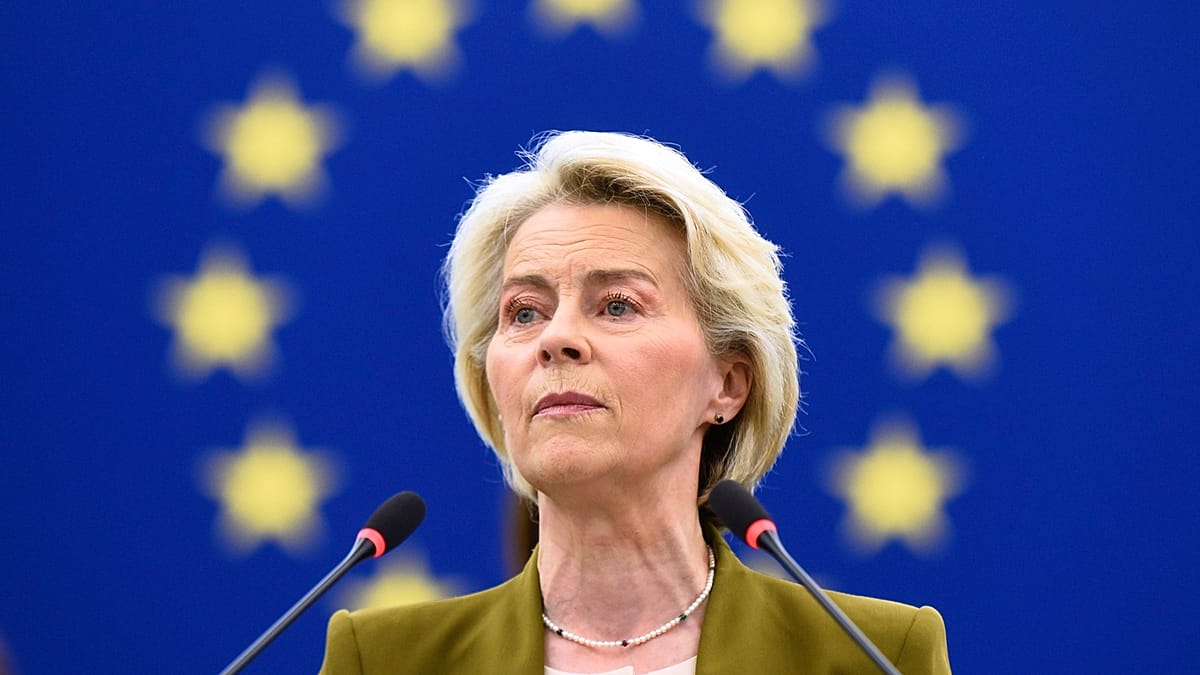
Ursula von der Leyen's statement underscores the EU's intent: to increase the cost of Russia's aggression and bolster Ukraine's position both on the battlefield and at the negotiating table. But what are the practical implications of this bold move?
Implications and Future Trends:
- Increased Pressure on Russia:** The loss of access to these assets will further strain the Russian economy, limiting its ability to finance the war effort and potentially accelerating internal economic challenges.
- Potential for Seizure:** While currently immobilized, the EU is exploring legal mechanisms to potentially seize these assets outright and redirect them towards the reconstruction of Ukraine. This would be a highly controversial move, with significant legal and geopolitical ramifications.
- Shift in International Finance:** This action could lead to a reassessment of the perceived safety of holding sovereign assets in foreign jurisdictions. Countries may diversify their holdings or seek alternative financial arrangements to mitigate similar risks.
- Escalation of Economic Warfare:** Russia is likely to retaliate with its own economic countermeasures, potentially targeting European assets within its borders or disrupting energy supplies. This could lead to a further escalation of economic tensions.
The Euroclear Factor
The concentration of €185 billion within Euroclear highlights the critical role of central securities depositories in the global financial system. Euroclear's compliance with the EU's sanctions regime is essential, but it also faces potential legal challenges and reputational risks as a result of holding such a large volume of frozen assets.
Questions and Answers
- Q: What happens to the interest generated by the frozen assets?**
- A: The EU is currently exploring ways to channel the profits generated by these assets towards supporting Ukraine.
- Q: Can Russia challenge this decision legally?**
- A: Russia is likely to pursue legal challenges through international courts, arguing that the asset freeze violates international law and property rights.
- Q: What are the risks for the EU?**
- A: The EU faces potential legal challenges, retaliatory measures from Russia, and a potential erosion of trust in the Eurozone as a safe haven for sovereign wealth.
The EU's decision to freeze Russian assets is a high-stakes gamble with potentially far-reaching consequences. It represents a significant escalation in the economic conflict and a fundamental challenge to the existing international financial order. The long-term impact will depend on how Russia responds and how the EU navigates the complex legal and political challenges ahead.