Brigitte Bardot's Legacy: An Icon of Film and Activism
हिंदी में सुनें
Listen to this article in Hindi
Exploring Brigitte Bardot's impact on cinema and animal rights advocacy.
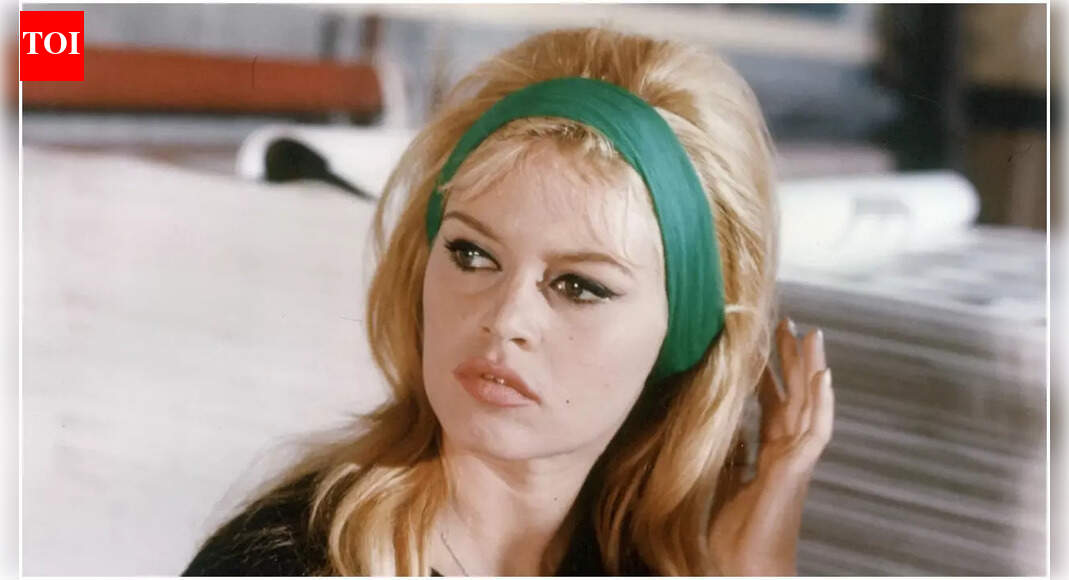
The passing of Brigitte Bardot at the age of 91 marks the end of an era for both the French film industry and the global cultural landscape. Bardot, who first captivated audiences in the 1956 film 'And God Created Woman,' was not only a cinematic icon but also a formidable voice for animal rights. Her career trajectory reflects a unique intersection of fame, sexuality, and activism that has left a lasting imprint on both the entertainment industry and societal attitudes towards animal welfare.
Bardot's rise to fame can be traced back to her role in 'And God Created Woman,' a film that challenged the sexual norms of its time and showcased her as a symbol of youthful rebellion and liberation. The film's controversial content, including scenes of Bardot dancing provocatively, positioned her as a trailblazer in the portrayal of female sexuality in cinema. This representation resonated with audiences, propelling her into a global spotlight and establishing her as a defining figure of 1950s and 1960s cinema.
Throughout her film career, Bardot starred in approximately 28 films, becoming synonymous with a new wave of French cinema that rejected bourgeois values. Her distinctive style and physical appeal led to her becoming the face of 'Marianne,' the emblem of the French Republic, which further solidified her status as a cultural icon. This recognition underscores her significance not only in film but also in national identity, as she embodied a post-war cultural shift in France.
That said, the reality is a bit more complicated. Bardot's legacy extends beyond the silver screen. In the latter part of her life, she devoted herself to animal rights activism, using her celebrity status to draw attention to the plight of animals. Her efforts included vocal opposition to the seal hunting industry and the establishment of her NGO, which further highlighted her commitment to advocacy. This transition from actress to activist reflects a broader trend in which public figures leverage their fame for social causes, impacting public discourse and policy.
The entertainment industry has seen a growing trend of stars engaging in activism, often influencing their fans and the broader public. Bardot's life exemplifies this shift, demonstrating how celebrities can utilize their platforms to effect change. Her activism also serves as a precursor to contemporary figures who similarly navigate the realms of celebrity and social justice, thus contributing to ongoing discussions about the responsibilities of public figures.
Bardot's passing not only signifies the loss of a film legend but also highlights the evolving role of celebrities in society. As the entertainment landscape continues to change, especially with the rise of social media, her legacy may inspire future generations of artists and advocates who seek to balance their artistic endeavors with impactful activism.
So where does that leave things? Brigitte Bardot's life and career provide a rich case study in the interplay between fame, identity, and advocacy. Her contributions to film and animal rights underscore a complex legacy that resonates within cultural, societal, and industry contexts, reminding us of the enduring power of celebrity influence.
Editor’s note: This article was independently written by the Scoopliner Editorial Team using publicly available information.