Gold's Quiet Ascent: How a Shifting Global Order Impacts Indian Markets
हिंदी में सुनें
Listen to this article in Hindi
BRICS nations' increasing gold reserves signal a subtle shift in the global financial order. Here's how this trend could impact Indian markets and investor strategies.
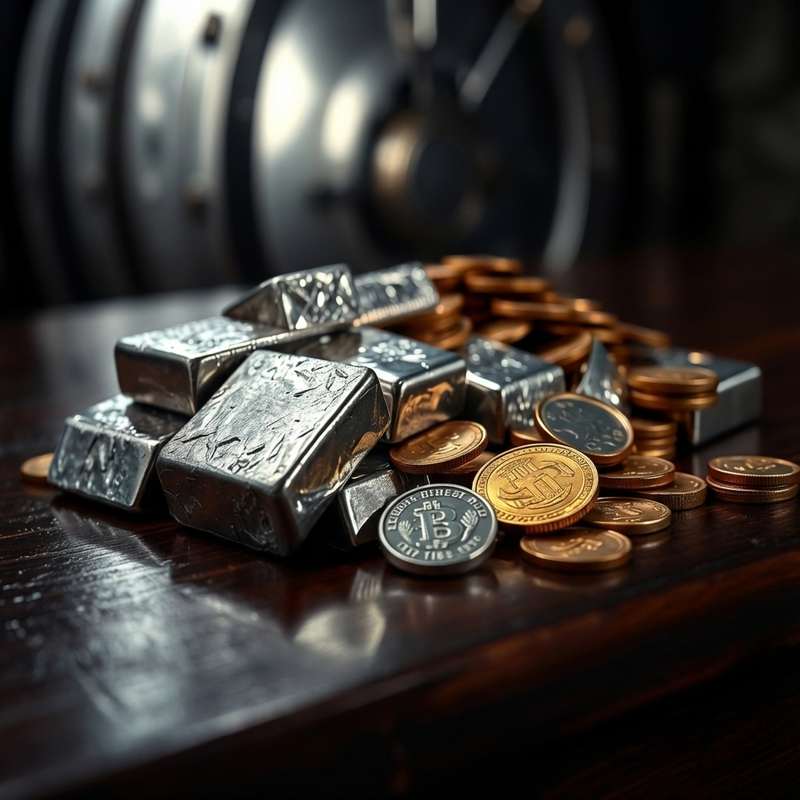
The relentless climb of gold prices isn't just a reaction to inflation fears; it's a symptom of a deeper restructuring of the global financial landscape, one where the dominance of the US dollar, while still significant, faces a slow but persistent challenge. This gradual erosion of dollar hegemony, propelled in part by the economic strategies of the BRICS nations, presents both opportunities and challenges for Indian investors and policymakers alike. The key is understanding how this global realignment translates into shifts in sentiment, liquidity, and ultimately, the valuation of assets within the Indian context.
For decades, the dollar has been the undisputed king of global trade and reserves. But cracks are appearing. The coordinated accumulation of gold reserves by BRICS nations, alongside a conscious effort to diversify away from dollar-denominated assets, signals a fundamental shift in how these nations perceive the stability and security of their foreign exchange holdings. This isn't about replacing the dollar overnight; it's about building a parallel system, one where gold plays a more prominent role as a neutral, sanction-resistant store of value. This trend is important for India, which, as a large developing economy with significant import needs, is keenly aware of the risks associated with over-reliance on a single currency.
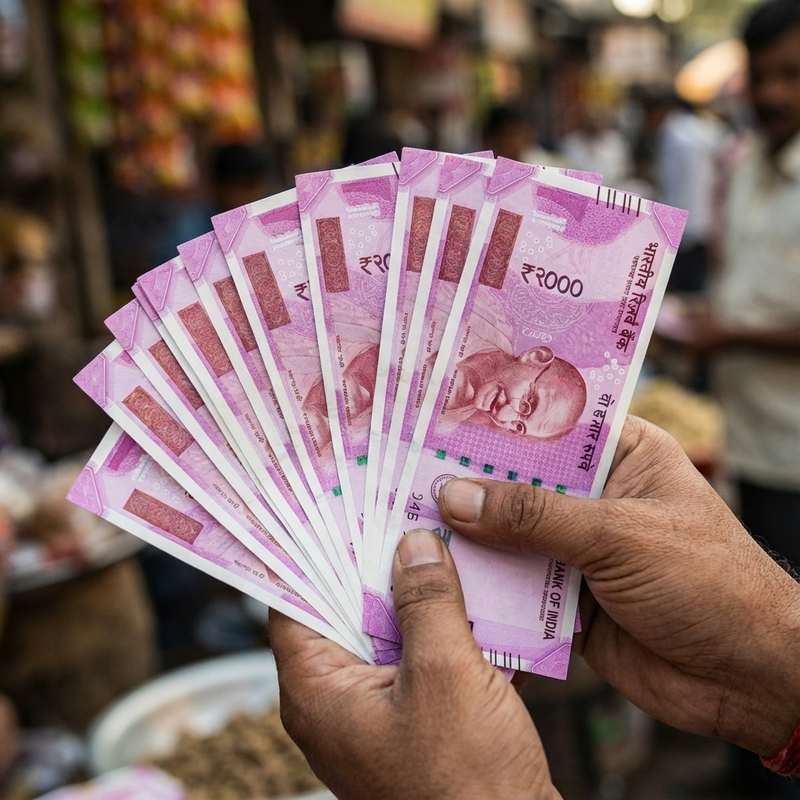
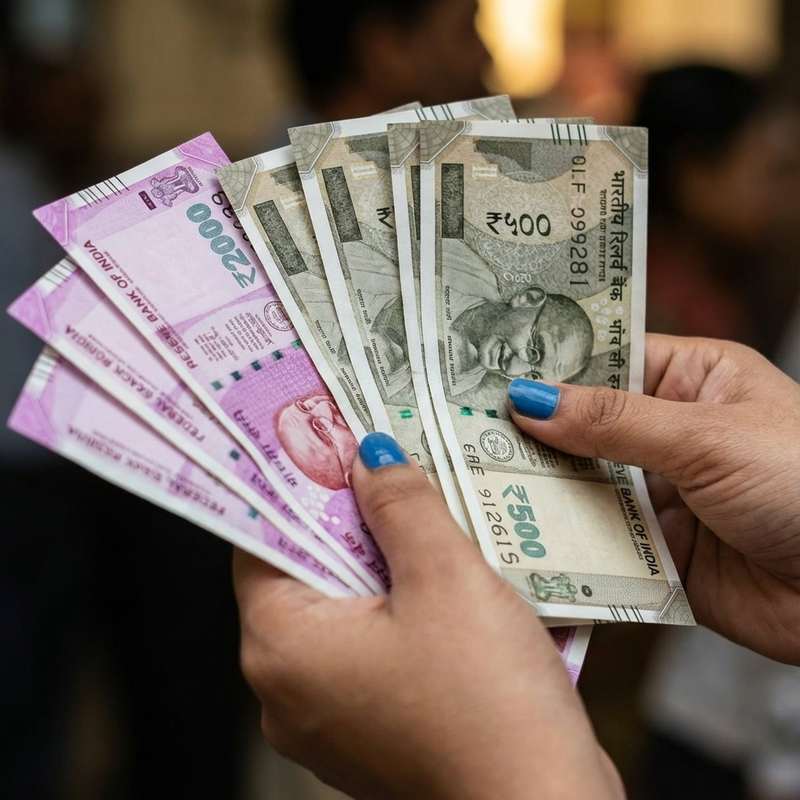
Consider the implications for the Indian rupee. A weaker dollar, resulting from decreased global demand, *could* make Indian exports more competitive. That said, the reality is a bit more complicated. a rapid and disorderly decline in the dollar's value could also trigger capital flight from emerging markets like India, potentially destabilizing the rupee and increasing import costs. The Reserve Bank of India (RBI) faces a delicate balancing act: managing the rupee's volatility while ensuring India's continued access to global capital markets. Understanding RBI policy and its influence on the rupee is thus crucial for Indian investors navigating this evolving landscape.
Furthermore, the rising price of gold, fueled by BRICS nations' strategic buying, could impact investment preferences within India. Gold has always held a special place in Indian culture, both as jewelry and as an investment. A sustained period of high gold prices, driven by global central bank demand, could further incentivize Indian households to allocate a larger portion of their savings to gold, potentially diverting capital away from other asset classes like equities and bonds. Investors need to be mindful of asset allocation and understand the potential impact of global trends on the relative attractiveness of different investment options.
That said, the reality is a bit more complicated. the impact isn't solely on financial markets. The BRICS push for alternative payment systems and increased trade in local currencies presents a long-term opportunity for India to reduce transaction costs and enhance its trade competitiveness. Exploring India's economic structure and its trade relationships provides important context for understanding the potential benefits of this shift. This move towards de-dollarization, while gradual, could foster greater economic independence and resilience for India in the face of geopolitical uncertainty.
Despite these potential benefits, there are challenges. The BRICS strategy is not without its limitations. A gold-backed currency, for instance, faces significant hurdles in terms of scalability and global acceptance. Moreover, the effectiveness of BRICS cooperation depends on the alignment of interests among its member nations, which is not always guaranteed. The success of this shift also hinges on the strength of India's own economic reforms and its ability to attract foreign investment.
So where does that leave things? the changing dynamics of the global financial system, spurred by the gold-buying strategies of BRICS nations, present a complex and evolving landscape for Indian markets. While the demise of the dollar is unlikely in the near term, the trend towards diversification and a multi-polar financial order is undeniable. Indian investors need to carefully assess the implications of these global shifts, focusing on risk management, asset diversification, and a thorough understanding of both the opportunities and the challenges that lie ahead.
Editor’s note: This article was independently written by the Scoopliner Editorial Team using publicly available information.