Bolsonaro's Legal Battles and Brazil's Political Landscape
हिंदी में सुनें
Listen to this article in Hindi
Exploring the geopolitical significance of Jair Bolsonaro's recent return to prison after surgery and its implications for Brazil's political future.
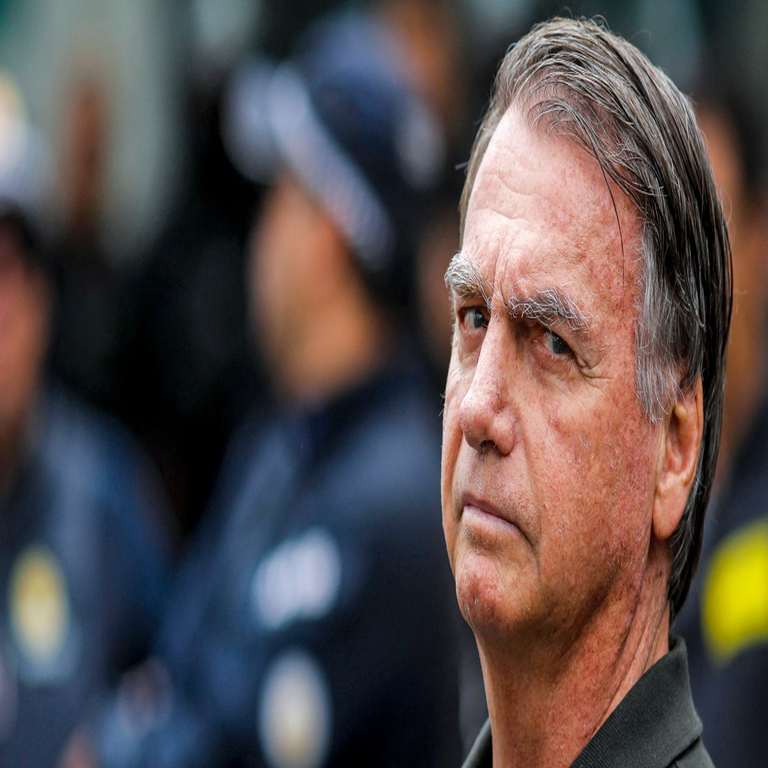
The recent return of former Brazilian President Jair Bolsonaro to prison following a medical procedure underscores the complex intersection of health, law, and politics in Brazil. This development not only marks a significant chapter in Bolsonaro's tumultuous post-presidency but also serves as a critical moment in Brazil's ongoing struggle to consolidate its democratic institutions after a period of intense political strife.
Bolsonaro's imprisonment stems from his conviction for attempting to undermine Brazil’s democratic processes after losing the 2022 elections to incumbent President Luiz Inácio Lula da Silva. His actions, which included orchestrating a coup attempt, have raised alarm not only within Brazil but also among international observers concerned about the stability of democracies worldwide. This situation is emblematic of a broader trend where populist leaders leverage political crises to challenge democratic norms, a phenomenon increasingly observed in various regions across the globe.
The implications of Bolsonaro's situation extend beyond Brazil's borders. His return to jail reflects ongoing tensions in Latin America, where political instability and challenges to democratic governance have been prevalent. The Brazilian case may resonate with other nations grappling with similar dilemmas, particularly those where populist leaders have attempted to consolidate power through authoritarian means. The regional ramifications could influence neighboring countries, prompting either caution against similar authoritarian tendencies or emboldening opposition movements.
In Brazil, Bolsonaro’s imprisonment and the Supreme Court’s decision to deny him house arrest highlight the judiciary's critical role in maintaining democratic integrity. This could signal a broader judicial assertiveness in Latin America, where courts are increasingly seen as guardians of democracy against populist encroachments. That said, the reality is a bit more complicated. the effectiveness of such judicial interventions is contingent on public support and the political will to uphold democratic principles under pressure.
Moreover, Bolsonaro's ongoing health issues raise questions about his political resilience and future influence. His hospitalization followed a history of medical challenges, which has intertwined his personal health narrative with his political saga. While confined to a federal police headquarters, his limited contact with other inmates raises concerns about isolation and its potential impact on his political strategy. He remains a polarizing figure in Brazilian politics, and his ability to rally support, especially through family ties in political circles, will be scrutinized as the next presidential elections approach.
The strategic implications of Bolsonaro's situation also intersect with Brazil's foreign relations. The country is at a crossroads, navigating its position within global geopolitics while addressing domestic divisions. As Brazil engages with international partners, the stability of its democratic institutions will be pivotal in determining its credibility on the world stage. A robust democracy is often viewed as an essential component of international cooperation, particularly in areas such as trade, environmental policy, and regional security.
Furthermore, the upcoming election dynamics, particularly with Bolsonaro's son positioned as a presidential candidate, could further complicate Brazil's political landscape. This familial political legacy could either reinforce Bolsonaro's influence or provoke further division among Brazilian voters, especially given the polarized environment following the 2022 elections.
So where does that leave things? Bolsonaro's return to prison is more than a personal legal setback; it is a reflection of the broader challenges faced by Brazil in its post-election landscape. The interplay between legal accountability, political legacy, and the health of democratic institutions will be critical as Brazil moves forward. As the world watches, the outcomes of these developments will not only shape Brazil's domestic future but may also set precedents for democratic resilience in a global context that increasingly faces authoritarian threats.
Editor's note: This article was independently written by the Scoopliner Editorial Team using publicly available information.