Moscow Bombings Expose Vulnerabilities in Russia's Security Apparatus
हिंदी में सुनें
Listen to this article in Hindi
Recent bombings in Moscow highlight vulnerabilities in Russia's security apparatus and potential shifts in domestic and international power dynamics.
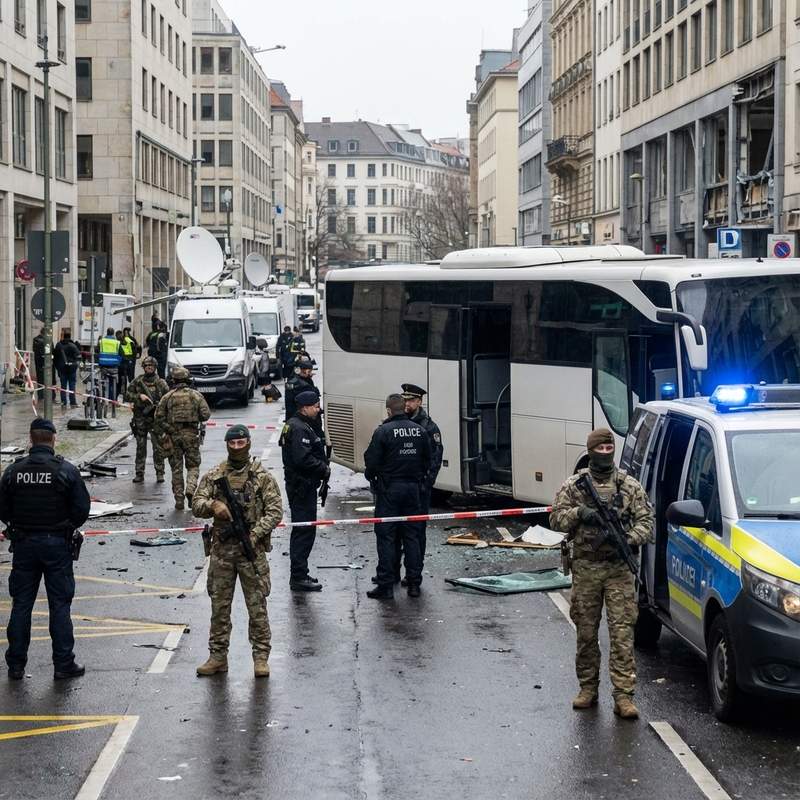
Russia's ongoing engagement in Ukraine has stretched its security resources, potentially creating vulnerabilities within its own borders. While Russia maintains a robust security apparatus, the focus on external threats and the mobilization of personnel for the conflict in Ukraine may be diverting resources from internal security measures. Recent bombings in Moscow, including the assassination of a high-ranking military official and a subsequent attack targeting law enforcement, expose potential cracks in this system and raise questions about the effectiveness of Russia's counterintelligence and domestic security capabilities.
The proximity of the two attacks, both occurring in the same Moscow neighborhood, suggests either a significant lapse in security or a deliberate attempt to highlight the Kremlin's inability to protect its own citizens and high-ranking officials. While Russian investigators are exploring potential Ukrainian involvement, the attacks could also stem from internal dissent, organized crime, or other actors seeking to destabilize the government. The attribution of responsibility will significantly impact the Kremlin's response and its broader geopolitical strategy.
These incidents also have implications for Russia's internal power dynamics. The bombings may fuel internal criticism of the security services, particularly the FSB, potentially leading to shifts in leadership and a restructuring of security priorities. A perceived failure to maintain order within Moscow could undermine public confidence in the government and embolden opposition groups. Furthermore, the attacks could provide justification for increased state surveillance and repression, further tightening the Kremlin's grip on power. [World affairs background can provide broader context].
Beyond domestic repercussions, the Moscow bombings could impact Russia's international standing and its relationship with Ukraine. If Ukrainian involvement is confirmed, it could escalate the conflict and lead to retaliatory actions by Russia. Even without direct Ukrainian involvement, the incidents could be used by the Kremlin to justify further military mobilization and a more aggressive stance in the conflict. The bombings also raise questions about Russia's ability to project power abroad while struggling to maintain security at home. This could weaken its influence in regions such as Central Asia and the Middle East, where it has been actively seeking to expand its geopolitical footprint. [India’s global position might be indirectly affected by shifts in Russian influence].
Despite the potential for escalation, there are also constraints on Russia's response. The ongoing war in Ukraine has already strained Russia's military and economic resources. A further escalation could prove unsustainable and further isolate Russia on the international stage. The Kremlin must also carefully manage the domestic narrative surrounding the bombings to avoid fueling panic or unrest. An overreaction could backfire and further destabilize the situation. [Topic basics for readers can clarify the situation].
The uncertainties surrounding the perpetrators and motives behind the Moscow bombings make it difficult to predict their long-term impact. That said, the reality is a bit more complicated. the incidents serve as a stark reminder of the vulnerabilities faced by even the most powerful states in an era of asymmetric warfare and evolving security threats. The Kremlin's response will be crucial in determining whether these bombings are merely isolated incidents or a harbinger of a broader destabilization trend.
Editor’s note: This article was independently written by the Scoopliner Editorial Team using publicly available information.