Bermuda Triangle mystery solved? Scientists may have found a strange secret no one expected

Bermuda Triangle mystery solved? Scientists may have found a strange secret no one expected

Updated on 17 Dec 2025 Category: Science • Author: Scoopliner Editorial Team
हिंदी में सुनें

Listen to this article in Hindi

गति:

Researchers using earthquake data found a 12.4-mile-thick layer of unusual rock beneath the Bermuda Triangle, potentially explaining the raised seafloor.


The mystery of the Bermuda Triangle may have a surprising geological explanation. Scientists have uncovered a massive and unexpected layer of unusual, low-density rock lurking beneath the infamous oceanic region. This discovery, made possible by analyzing earthquake data, could shed light on the area's unique characteristics and the formation of volcanic islands.

The research team, comprised of scientists from Carnegie Science and Yale University, detected a 12.4-mile-thick layer of low-density rock beneath Bermuda. This substantial formation resides within the tectonic plate, an atypical location that has intrigued researchers. Their findings were documented in the journal *Geophysical Research Letters*.

The unusual rock layer may be a remnant of ancient volcanic activity linked to the breakup of the supercontinent Pangea millions of years ago. Typically, the Earth's mantle lies directly beneath the oceanic crust. That said, the reality is a bit more complicated. under Bermuda, this additional layer exists between the crust and the mantle, embedded within the tectonic plate itself, according to William Frazer, a seismologist at Carnegie Science.

This geological anomaly may also explain why the seafloor around Bermuda is elevated by approximately 1,640 feet (500 meters) compared to surrounding areas. Scientists hypothesize that this hidden rock layer provides ongoing support, keeping the island elevated even after volcanic activity ceased. This challenges the conventional view that volcanic islands cease to evolve after their eruptions conclude.

The discovery prompts a broader question: Are similar hidden rock layers rare, or have they simply been overlooked in other locations? Researchers plan to investigate other islands for similar underground structures. If more are found, it could lead to significant revisions in our understanding of Earth's internal structure.

In essence, the Bermuda Triangle, long associated with unexplained mysteries, may have revealed its most intriguing secret yet – a geological anomaly hidden deep beneath the ocean floor.

Source: The Economic Times   •   17 Dec 2025

Related Articles

Are the planes there? Mysterious new discovery made at the Bermuda Triangle

Scientists discovered a 20-km-thick rock layer beneath Bermuda, challenging existing views of volcanic islands and geological history in the area.

Source: India Today | 17 Dec 2025
Is it natural? Astronomers spot strange protrusion on 3I/ATLAS as it speeds toward Earth. Here's how to track interstellar object and mysterious anti-tail explained

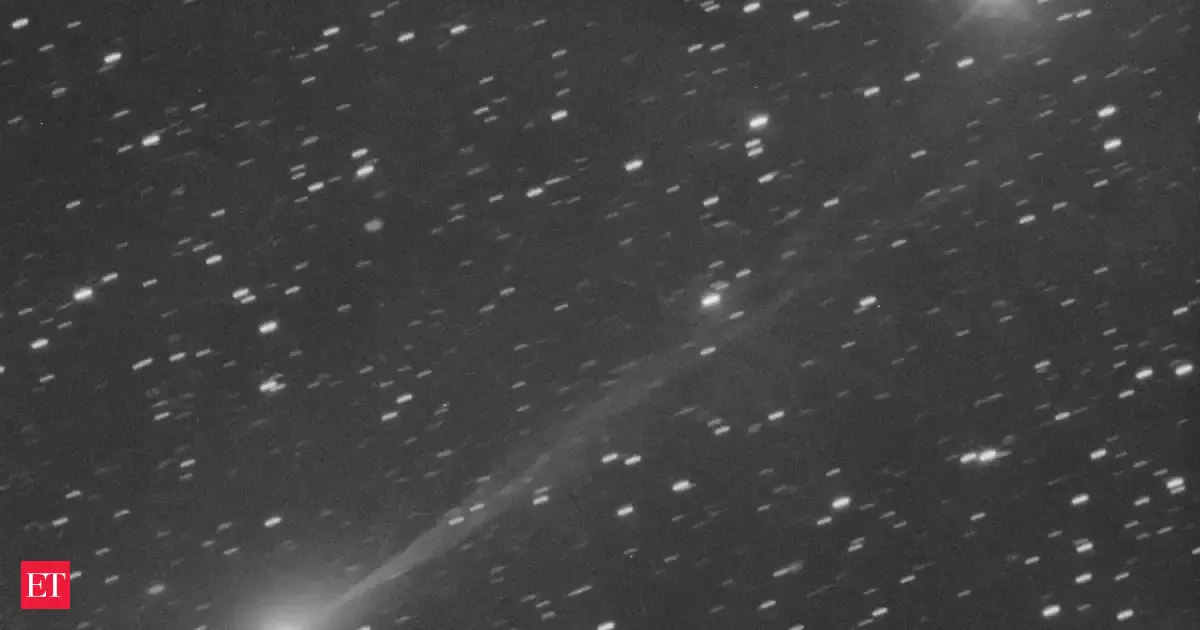
Astronomers have observed a peculiar protrusion on interstellar object 3I/ATLAS as it nears Earth, sparking debate about its composition and origin. Learn …

Source: The Economic Times | 17 Dec 2025
3I/ATLAS: Harvard's Avi Loeb Highlights 14 Anomalies Ahead of Exocomet's Earth Flyby

Harvard astrophysicist Avi Loeb has identified 14 unusual characteristics of exocomet 3I/ATLAS before its upcoming Earth flyby, raising intriguing questions.

Source: Mashable India | 17 Dec 2025
3I/ATLAS: Exocomet's Anti-Tail Extends Beyond Earth-Moon Distance, Says Harvard's Avi Loeb

Harvard's Avi Loeb analyzes the unusually large anti-tail of exocomet 3I/ATLAS, noting its extension beyond the Earth-Moon distance. Read more on Scoopliner.com.

Source: Mashable India | 17 Dec 2025
How Earth’s Atmosphere Reached the Moon

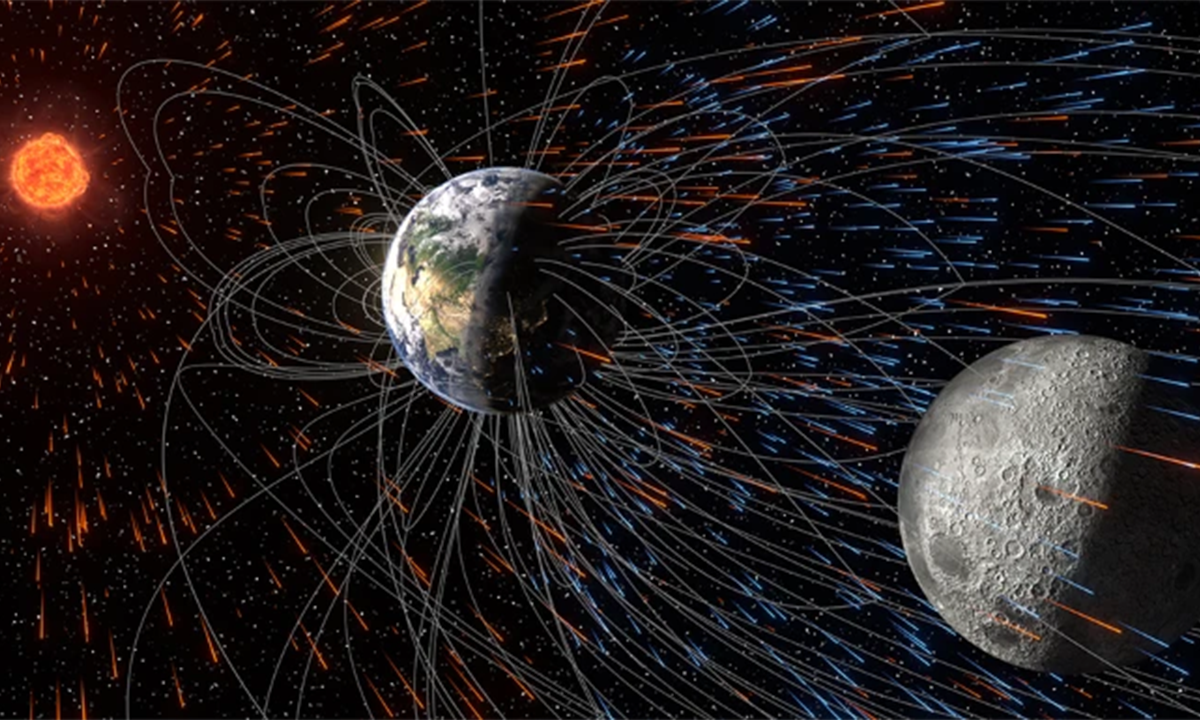
Scientists may have solved the mystery of how particles from Earth's atmosphere, including water, ended up on the Moon. New research explains …

Source: Nautilus | Science Connected | 17 Dec 2025
2.8 days to disaster: Scientists warn of a disastrous satellite chain collision in low Earth orbit

A new study warns that satellite mega-constellations face catastrophic collision risks in just 2.8 days if a solar storm disrupts control systems.

Source: Moneycontrol | 17 Dec 2025
← Back to Home

QR Code Generator