Bengaluru’s bright lights could blank out 3I/ATLAS comet tomorrow
हिंदी में सुनें
Listen to this article in Hindi
Light pollution in Bengaluru may hinder viewing of the 3I/ATLAS comet on December 19, despite otherwise ideal conditions. Science centers assess options.
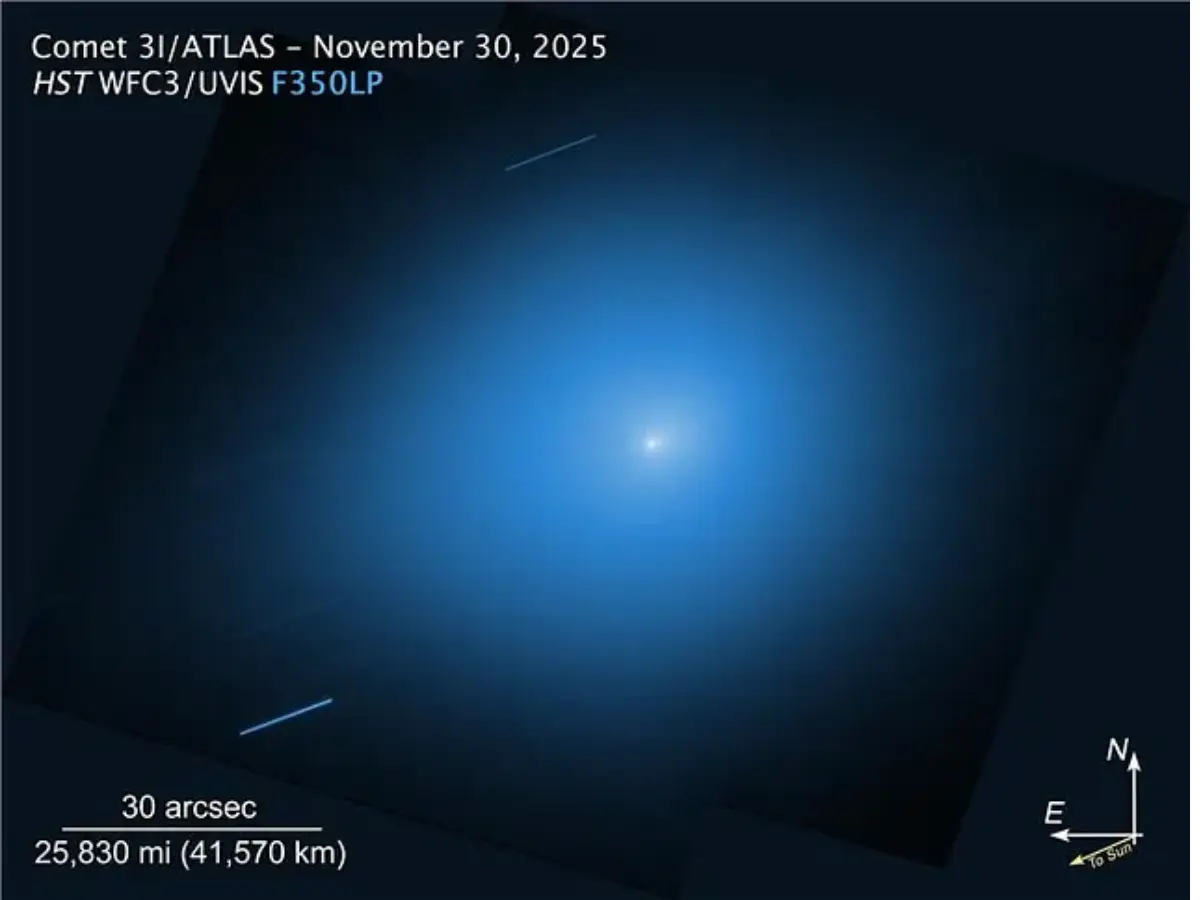
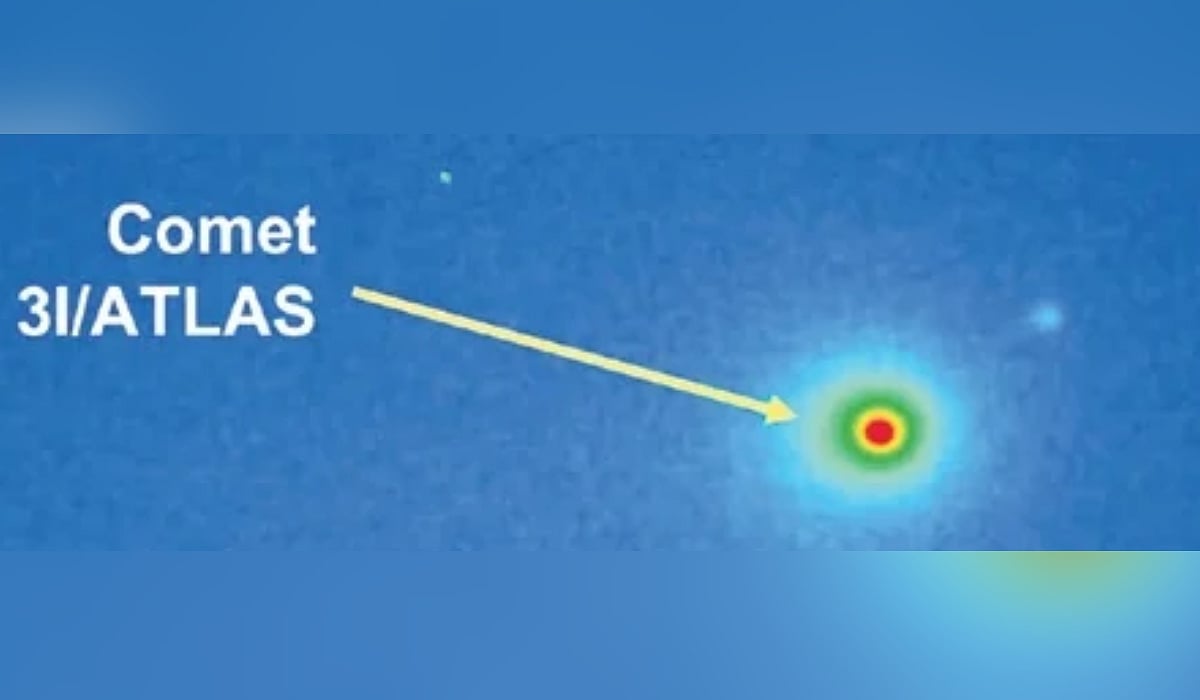
Bengaluru's intense light pollution may prevent residents from seeing the 3I/ATLAS comet when it makes its closest approach to Earth on December 19th. The comet, which has been a source of fascination since its discovery in July 2025, is only the third interstellar object detected in our solar system.
Local science and astronomy centers are weighing whether to hold public viewing sessions, but the city's bright lights present a significant obstacle. While spotting the comet isn't impossible, the chances of a successful viewing are low.
The 3I/ATLAS comet's unpredictable behavior has fueled speculation that it is unlike typical comets, adding to the public's interest. December 19 offers otherwise ideal viewing conditions: a moonless night and potentially clear winter skies. That said, the reality is a bit more complicated. Bengaluru's status as one of India's brightest metropolitan areas means that light pollution could obscure the comet's faint light, similar to how interior car lights impair nighttime driving.
Cyril Babu, a curator at the Visvesvaraya Industrial & Technological Museum (VITM), advises those eager to view the comet to consider traveling to the city's rural outskirts. Both VITM and the Jawaharlal Nehru Planetarium (JNP) plan to conduct trial viewings on December 18 to determine whether to proceed with public sessions.