The Rise of Community-Based Tourism in Climate-Impacted Regions
हिंदी में सुनें
Listen to this article in Hindi
Analyzing the significance of community-based tourism in regions affected by climate change and economic shifts.
In recent years, the tourism industry has witnessed a notable shift towards community-based models, particularly in regions heavily impacted by climate change and economic fluctuations. This trend is not merely a response to consumer demand for more meaningful travel experiences but also reflects broader geopolitical dynamics that influence local economies and environmental conservation efforts.
The Maldives, often synonymous with luxury resorts, is now seeing the emergence of community-focused tourism initiatives. The Horsburgh Atoll Tourism Alliance (HATA) exemplifies this movement, where a collective of islands works to engage travelers with local cultures and economies. This shift is significant as it aligns with a global trend toward sustainable tourism practices, where travelers seek deeper connections with the places they visit.
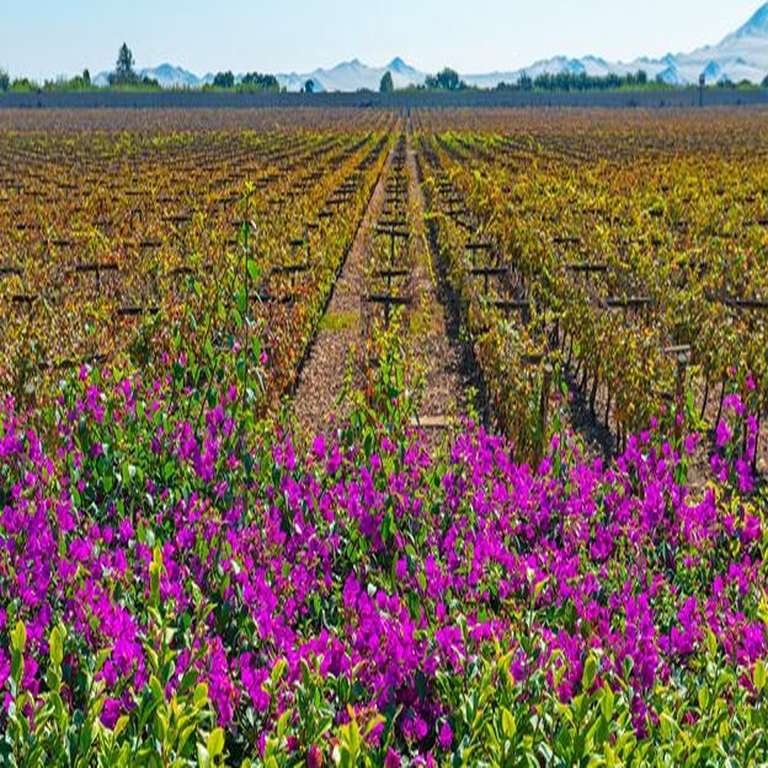
Simultaneously, Peru's development of the Rutas del Pisco highlights another facet of community-based tourism. By promoting lesser-known regions for pisco production, the initiative not only diversifies the tourist experience but also helps distribute economic benefits more equitably across the country. This is particularly important in a post-pandemic context, where economies reliant on tourism are striving for recovery and resilience.
The timing of these developments is critical. As climate change continues to affect weather patterns, particularly in tropical regions, tourism models that prioritize sustainability and community engagement are becoming increasingly relevant. The dry season in the Maldives, coinciding with peak tourism periods, illustrates a strategic alignment of local initiatives with global travel trends that favor authentic experiences over traditional luxury.
That said, the reality is a bit more complicated. the rise of community-based tourism is not without its challenges. Issues such as the sustainability of local resources, potential cultural commodification, and the balance between tourism and daily life for residents must be carefully managed. There is also a risk that these initiatives could become overshadowed by larger, more established tourism sectors if not strategically supported.
Moreover, geopolitical tensions can influence tourism flows. For example, while the Maldives markets itself as a serene getaway, geopolitical stability in the Indian Ocean region remains a concern, impacting traveler confidence. Similarly, in Peru, political and economic stability is crucial for the success of initiatives like Rutas del Pisco, which depend on a consistent influx of tourists.
As community-based tourism grows, its implications extend beyond local economies. It offers a model for addressing some of the pressing challenges of our time, such as climate resilience and cultural preservation. That said, the reality is a bit more complicated. the delicate balance between tourism development and environmental sustainability will require ongoing attention from local stakeholders, governments, and international organizations.
So where does that leave things? the emergence of community-based tourism initiatives in regions like the Maldives and Peru serves as a critical case study in the evolving landscape of global tourism. These developments reflect broader trends in consumer preferences, regional economic strategies, and the urgent need for sustainable practices that benefit both travelers and host communities. As such, they warrant attention as indicators of the future trajectory of global tourism and its role in fostering resilience in a changing world.
Editor's note: This article was independently written by the Scoopliner Editorial Team using publicly available information.