BCCI Responds to Refund Requests After Fog Forces Abandonment of 4th SA T20I
हिंदी में सुनें
Listen to this article in Hindi
BCCI addresses refund inquiries following the India vs. South Africa T20I in Lucknow, which was called off due to heavy fog. Details on ticket reimbursement.
Following the abandonment of the fourth T20 International (T20I) between India and South Africa due to heavy fog and poor visibility, the Board of Control for Cricket in India (BCCI) has commented on the matter of refunds for ticket holders. According to BCCI Secretary Devajit Saikia, the Uttar Pradesh Cricket Association (UPCA) is the responsible entity for managing any reimbursements to spectators. The match's cancellation triggered considerable disappointment among fans, many of whom are seeking refunds for their tickets.
BCCI's policy dictates that spectators are generally entitled to a refund (excluding processing fees) when a match is called off before any play occurs. Saikia clarified that the state cricket association, in this case the UPCA, has full authority over ticketing matters. He stated that the BCCI's role is limited to granting hosting rights, with all logistical and financial aspects of ticketing handled by the state association.
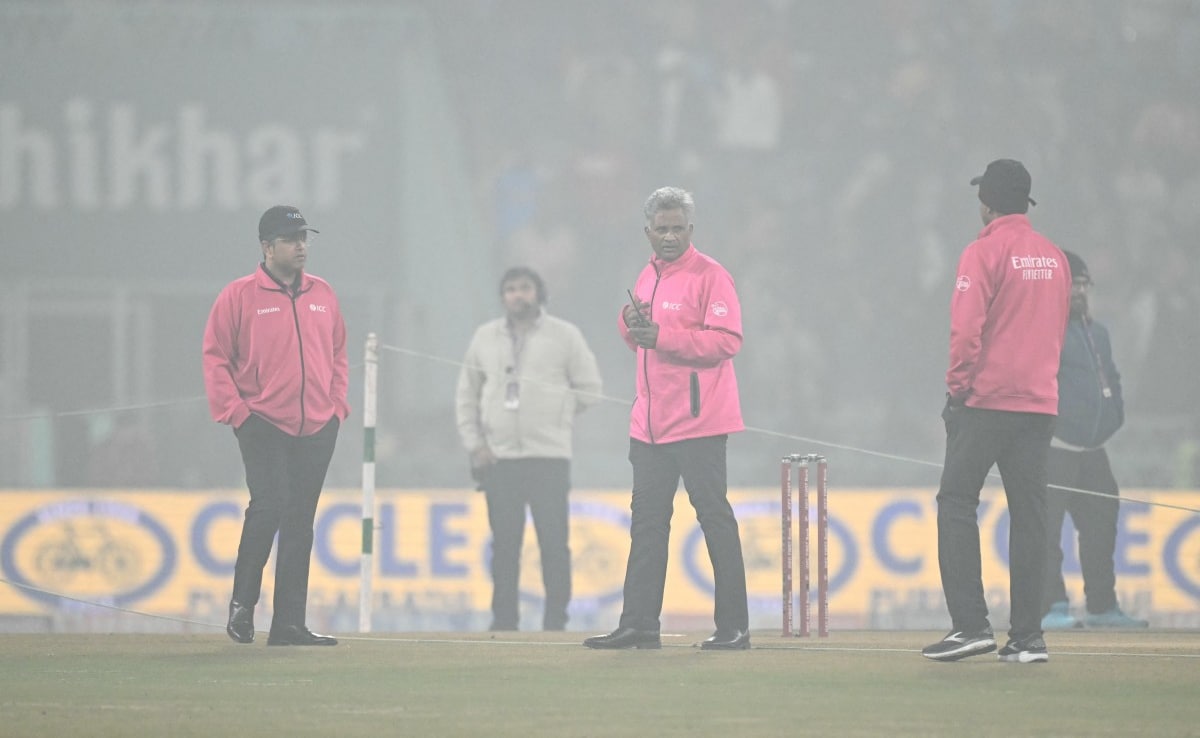
The on-field umpires (K.N. Ananthapadmanabhan and Rohan Pandit), along with reserve umpire J.R. Madanagopal, conducted multiple inspections, but the fog persisted, leading to the eventual abandonment of the match at 9:30 PM local time.
The washout at the BRSABV Ekana Cricket Stadium in Lucknow means that India retains a 2-1 lead in the five-match series. The final match is scheduled to be held at the Narendra Modi Stadium in Ahmedabad on Friday.
The incident has also renewed discussions about the BCCI's scheduling of international matches during the winter months. The series against South Africa was seen as important preparation ahead of the Men's T20 World Cup in February and March.
Notably, this was the first T20I match held in Lucknow during December. Unfortunately, it will be remembered as the first major international game in India to be abandoned due to excessive fog. The severity of the conditions was highlighted when Hardik Pandya was seen wearing a mask, reflecting the hazardous Air Quality Index (AQI).
Saikia addressed the broader issue of scheduling matches in North Indian winters, suggesting that the situation in Lucknow was an isolated incident. He pointed out that similar conditions are more typical in January and that a recent match in Dharamsala, a colder location, proceeded without issue. He also mentioned that the BCCI has restructured the domestic cricket schedule, including a significant gap in Ranji Trophy matches in North India during early January, to mitigate the impact of fog. According to Saikia, the Lucknow situation was unforeseen and not representative of typical weather patterns for that time of year.
Saikia cited a previous instance where concerns about smog in New Delhi after Diwali led to the rescheduling of a Test match against the West Indies, demonstrating the BCCI's willingness to adapt to environmental factors when forewarned. The second Test was moved to New Delhi instead of Kolkata. The initial plan was for the first Test against South Africa to take place in New Delhi, but the smog concerns led to a swap with Kolkata. Saikia reiterated that the fog in Lucknow was an exceptional and unpredictable event, making rescheduling impossible.