BCCI's Stance on Bangladesh Players: Implications for IPL 2026
हिंदी में सुनें
Listen to this article in Hindi
Analyzing the BCCI's comments on Bangladesh players' participation in IPL 2026 and its implications for team dynamics and market response.
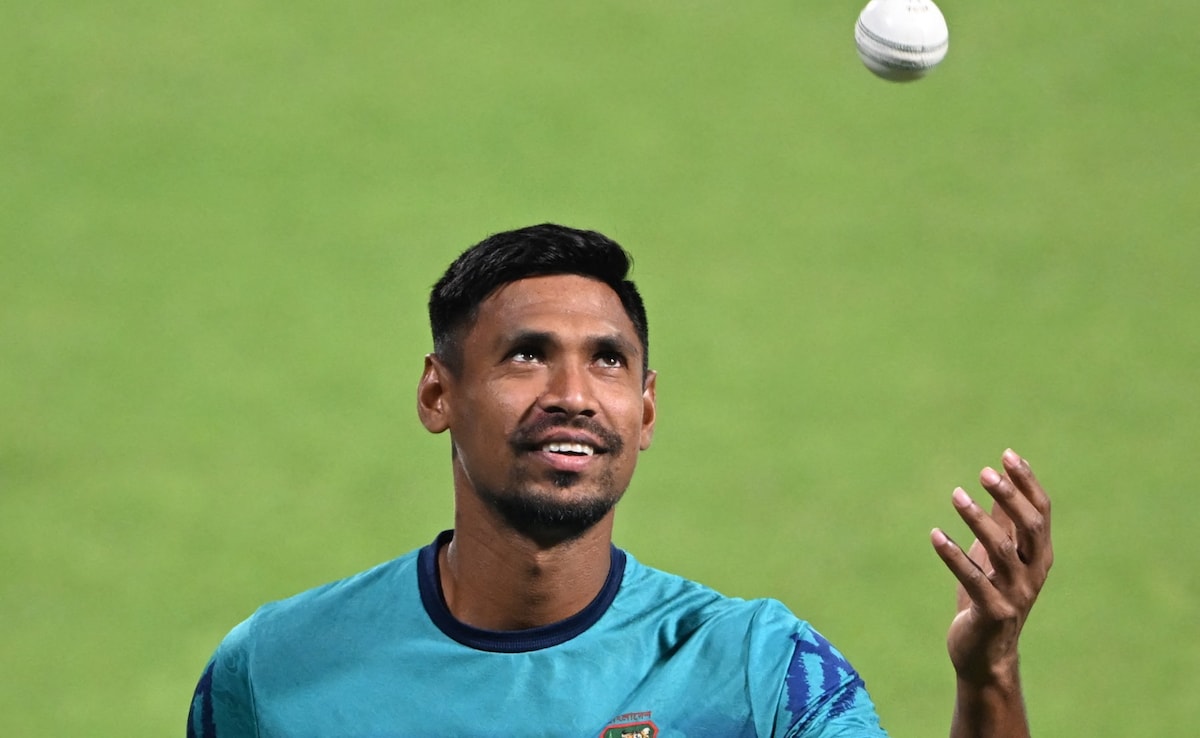
The Board of Control for Cricket in India (BCCI) has opted for a neutral stance on the participation of Bangladesh players in the Indian Premier League (IPL) 2026, particularly amidst the controversy surrounding the signing of pacer Mustafizur Rahman by the Kolkata Knight Riders (KKR). With no formal communication from the Indian government regarding any restrictions, the BCCI is positioned to allow Rahman and potentially other Bangladeshi players to compete in the league. This decision reflects the BCCI's commitment to maintaining the IPL's inclusivity and its status as a global tournament that attracts talent from various cricketing nations.
Rahman’s signing for Rs 9.20 crore at the last IPL auction marks a significant milestone, making him the most expensive Bangladeshi player in IPL history. His performance in the league has been commendable, with 65 wickets in 60 matches at an economy rate of 8.13, which underscores his value as a key bowler. The combination of his performance and the financial investment by KKR indicates a belief in his ability to impact match outcomes positively, despite the off-field criticisms that have arisen.
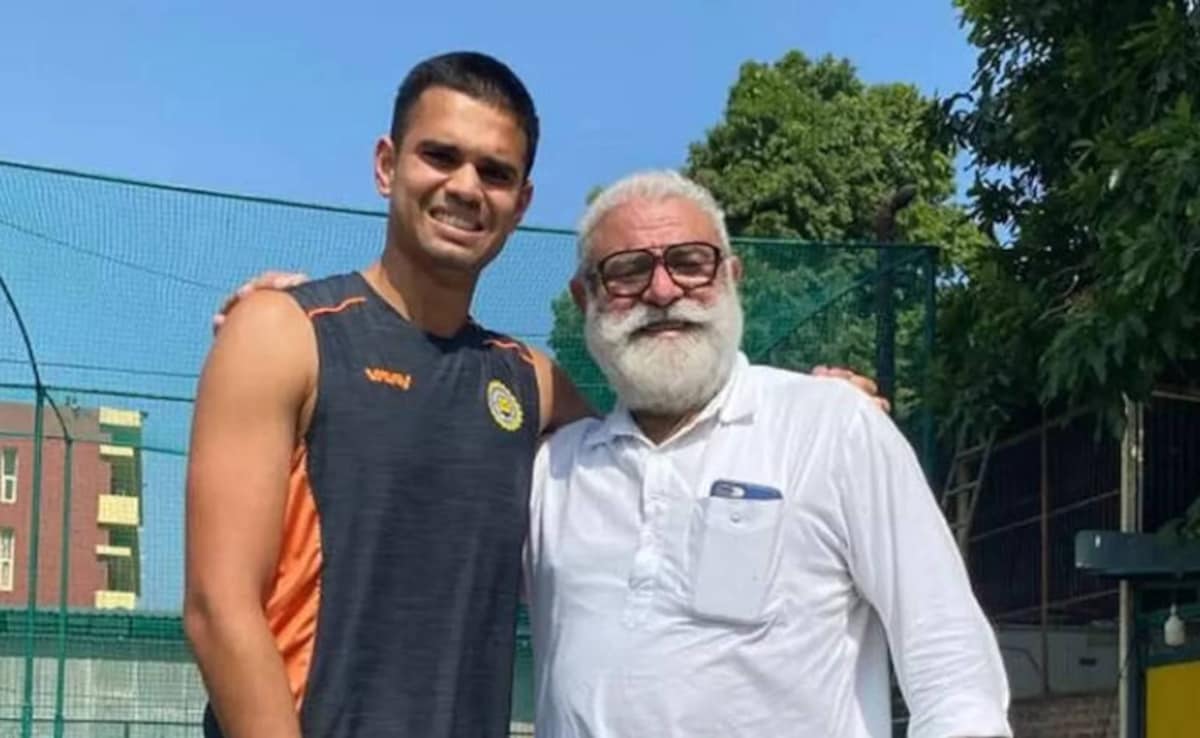
The backlash against Rahman’s signing, particularly from sections of the Indian community, raises important questions about the intersection of sports and socio-political sentiments. Spiritual guru Devkinandan Thakur's criticism highlights how external factors can influence public perception and potentially impact team morale. Such sentiments may create pressure for franchises to reconsider player signings based on socio-political contexts, which could complicate future recruitment strategies.
From a performance perspective, Rahman has consistently delivered under pressure, as evidenced by his diverse IPL experiences across multiple teams. His ability to adapt to different playing conditions and team dynamics will be crucial for KKR as they aim to leverage his skills in their pursuit of the IPL title. The implications of his performance are twofold: on one hand, he can enhance KKR's bowling attack; on the other, his presence could also attract scrutiny that could distract from the team’s overall objectives.
Looking forward, the BCCI’s decision not to restrict Bangladeshi players may be a strategic move to ensure that the IPL remains an attractive platform for international talent. The league's reputation for inclusivity could be a vital asset in maintaining its global appeal and commercial success. That said, the reality is a bit more complicated. the emergence of social and political concerns surrounding player signings could prompt the BCCI to navigate these waters carefully in the future.
So where does that leave things? while the BCCI's current position supports the involvement of Bangladeshi players in IPL 2026, the ongoing discourse surrounding such signings will likely continue to evolve. The league's stakeholders will need to balance competitive integrity and commercial interests against the backdrop of socio-political sentiments. This balance will be critical for the future of player recruitment and the overall health of the IPL ecosystem.
Editor's note: This article was independently written by the Scoopliner Editorial Team using publicly available information.