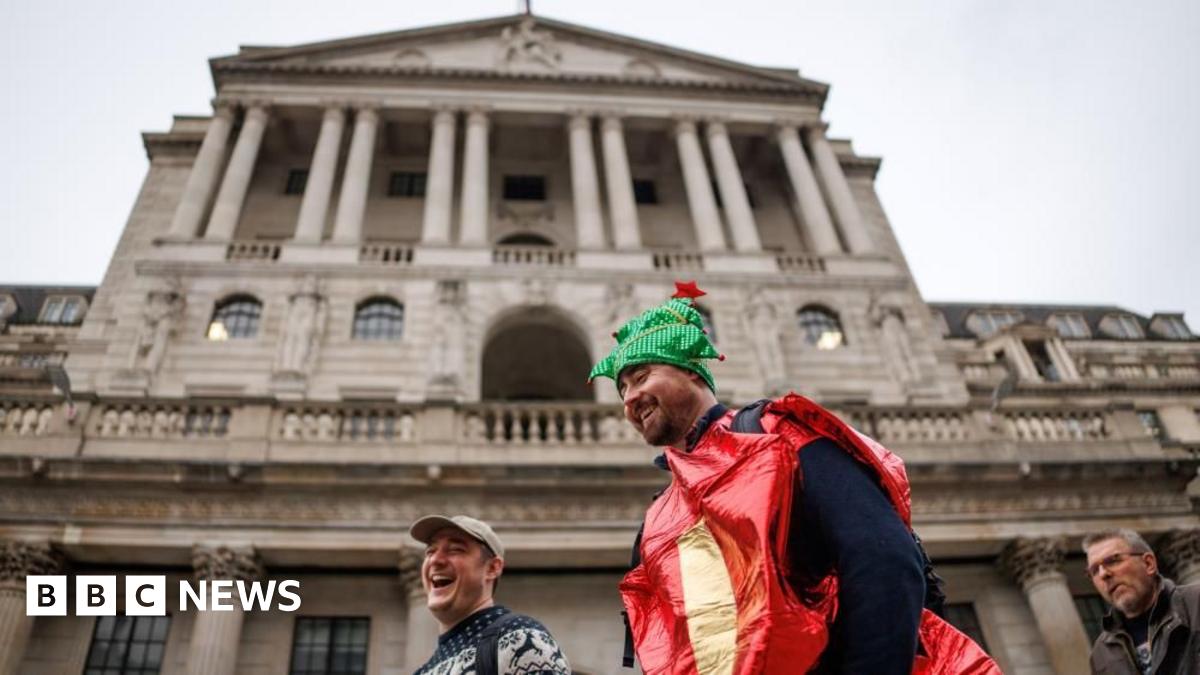
Bank of England Reduces Interest Rates to 3.75%
हिंदी में सुनें
Listen to this article in Hindi
The Bank of England lowered interest rates to 3.75% due to concerns about consumer spending and a sluggish economy, forecasting lower inflation.
The Bank of England has lowered interest rates to 3.75%, a move made just before Christmas. This is the sixth cut since last summer, bringing rates below 4% for the first time since early 2023.
While this reduction will likely be welcomed by borrowers and businesses, the central bank has cautioned that future cuts might not happen at the same pace. According to Governor Andrew Bailey, the peak of inflation has passed. The bank now anticipates that the headline rate of inflation will be closer to the 2% target by April, rather than in 2027, partly due to the Chancellor's Budget measures.
The decision to cut rates was a close one. Four of the nine members of the Monetary Policy Committee (Megan Greene, Clare Lombardelli, Catherine Mann, and Huw Pill) voted to maintain interest rates at 4%. They acknowledged the fall in inflation but pointed to evidence suggesting that services inflation and wage growth would remain above target for some time. Those who voted for the cut (Andrew Bailey, Sarah Breeden, Swati Dhingra, Dave Ramsden, and Alan Taylor) felt that weak spending and rising unemployment justified the reduction to keep inflation on its downward trajectory.
Even among those who voted for the cut, concerns remain about inflation, which is still above the Bank’s 2% target. These members indicated a preference for a more extended period of restrictive policy, suggesting that future rate cuts could be slower.
The Bank of England expects inflation to fall to around 2% in the spring or summer of next year, influenced by the government's recent Budget and declining oil and gas prices. That said, the reality is a bit more complicated. weaker economic growth in November has led to a forecast of zero growth for the final months of the year.
Data gathered from businesses across the country suggest a "lacklustre economy," with firms expressing concern over policy speculation leading up to the Autumn Budget. Employment intentions are slightly negative, with firms remaining cautious due to uncertainty surrounding Christmas trading and the Budget.
Recent data indicates that the UK unemployment rate rose to 5.1% in the three months to October, the highest level since January 2021. Younger workers have been particularly affected, with a significant increase in unemployment among 18 to 24-year-olds. This data, collected before the Budget, reflects employers' decisions to slow or freeze hiring, partly due to the impact of previous national insurance increases.
Consumers are showing caution in the lead-up to Christmas, with a focus on value for money. Food shops are reportedly smaller than usual. While some supermarkets worry that the Budget will dampen spending on Christmas food and drink, discounters report solid early sales of lower-priced seasonal items.
Hospitality firms, typically reliant on the Christmas period, are trying to contain price increases due to fragile demand and affordability concerns among consumers.