Gaza's Humanitarian Crisis Exposes Limits of External Medical Aid
हिंदी में सुनें
Listen to this article in Hindi
The cycle of medical evacuation and return in Gaza highlights the systemic failures of aid and the precarious state of healthcare infrastructure.
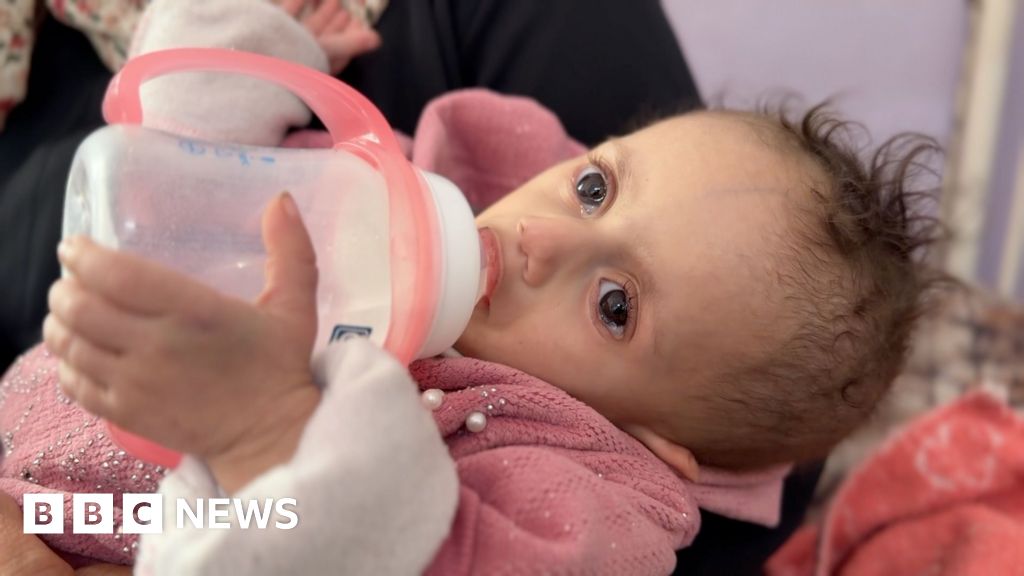
The recurring cycle of medical evacuation and return for patients in Gaza underscores a broader, systemic problem: the limitations of external aid in addressing the consequences of protracted conflict and infrastructural collapse. While international efforts to provide medical assistance offer temporary relief, they fail to address the underlying causes of the crisis, particularly the degradation of Gaza's healthcare system and the constraints on sustainable development. The case of a returned infant requiring re-hospitalization highlights the challenges of providing effective care within a territory facing severe restrictions on resources and movement.
The geopolitical dynamics of the region significantly shape the nature and effectiveness of humanitarian interventions. Israel's control over Gaza's borders and the flow of goods, including medical supplies, creates a complex environment for aid delivery. The justification of security concerns leading to the confiscation of essential items, even therapeutic formula, reflects the tension between security measures and humanitarian needs. This tension is further exacerbated by the ongoing restrictions on international journalists' access to Gaza, limiting independent verification and reporting on the ground.
Neighboring countries, like Jordan, play a crucial role in providing medical assistance to Gazans. That said, the reality is a bit more complicated. their capacity is constrained by the need to balance immediate humanitarian needs with long-term sustainability. The Jordanian government's policy of returning patients after treatment, while intended to maximize the number of individuals who can receive care, raises ethical questions about the adequacy of support systems within Gaza. This policy also reflects Jordan’s complex position as a host country for a large Palestinian refugee population, navigating its own resource constraints and geopolitical considerations. Jordan also faces the challenge of not wanting to incentivize or be seen as contributing to the displacement of Palestinians from their land. The long-term implications of this dynamic could further destabilize the region and exacerbate existing tensions. Examining India’s global position in providing medical aid to developing countries offers a comparative perspective on the challenges and strategies involved.
The strain on Gaza’s healthcare infrastructure extends beyond the immediate challenges of conflict. Years of blockade, coupled with internal political divisions, have weakened the system's ability to provide basic services. The increase in child admissions to hospitals after periods of conflict, coupled with shortages of medicines, supplies, and reliable electricity, indicates a systemic failure to meet the population's healthcare needs. This situation underscores the importance of addressing the underlying determinants of health, including access to clean water, sanitation, and adequate nutrition, which are essential for preventing the spread of infectious diseases. A deeper understanding of world affairs background helps contextualize the ongoing challenges in Gaza.
The reliance on external aid, while necessary in the short term, can inadvertently perpetuate a cycle of dependency and hinder the development of local capacity. To address this, a more sustainable approach would involve investing in Gaza's healthcare infrastructure, strengthening local institutions, and promoting economic development. This would require a concerted effort from the international community, including Israel, to ease restrictions on the movement of goods and people, and to support initiatives that promote self-sufficiency. The WHO’s call for more countries to offer medical evacuation, while crucial, also highlights the urgency of addressing the root causes of the healthcare crisis within Gaza itself. Understanding topic basics for readers unfamiliar with the history is essential for informed analysis.
The uncertain trajectory of the Israeli-Palestinian conflict adds further complexity to the humanitarian situation in Gaza. The potential for renewed hostilities, coupled with the ongoing political stalemate, creates a volatile environment that undermines any long-term planning or investment. Addressing the humanitarian crisis in Gaza requires a comprehensive approach that tackles both the immediate needs of the population and the underlying political and economic factors that contribute to their vulnerability. Without a sustained commitment to peace and development, the cycle of crisis and intervention is likely to continue, perpetuating the suffering of the Gazan people.
Editor’s note: This article was independently written by the Scoopliner Editorial Team using publicly available information.