Strategic Leadership Dynamics Ahead of Under-19 World Cup
हिंदी में सुनें
Listen to this article in Hindi
Examine India's Under-19 squad dynamics and leadership roles ahead of the World Cup in Zimbabwe and Namibia.
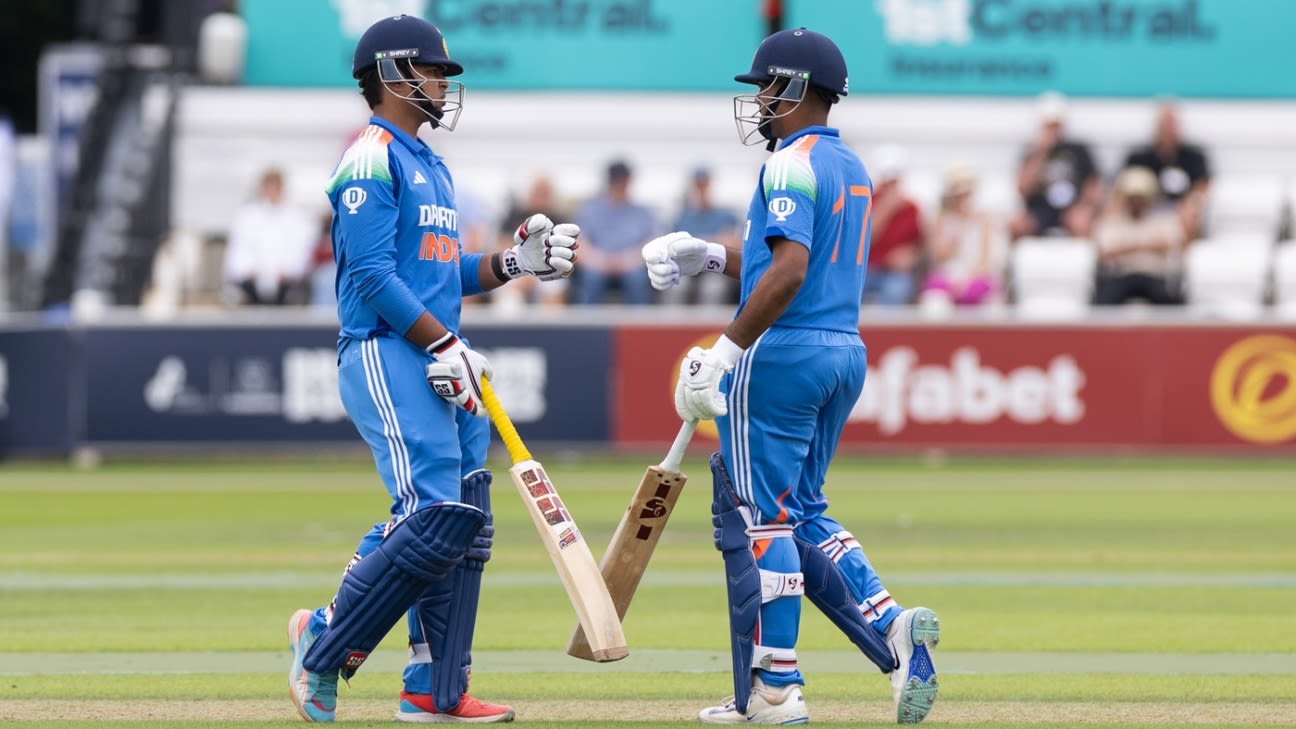
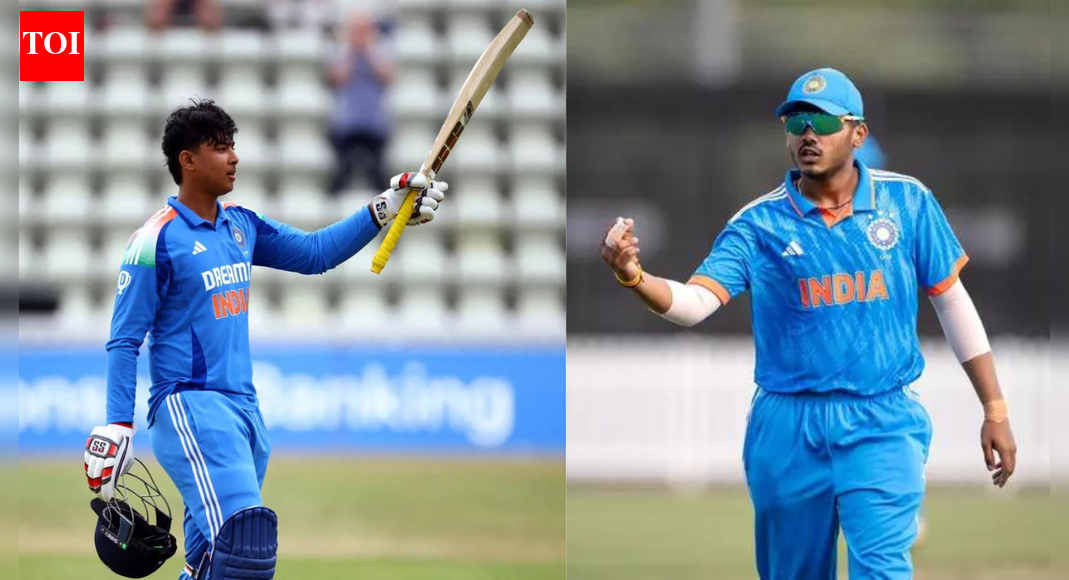
As the Indian cricket team gears up for the 2026 Under-19 World Cup, the leadership roles within the squad have emerged as a crucial focal point. Ayush Mhatre's appointment as captain, despite his current injury, underscores the confidence the Board of Control for Cricket in India (BCCI) has in his leadership qualities, particularly following his recent success in guiding India to the finals of the Under-19 Asia Cup. The dual leadership strategy, with Vaibhav Suryavanshi leading the team in the bilateral series against South Africa, is designed to maintain momentum and cohesion within the squad during crucial preparatory matches.
Mhatre's experience as a captain, albeit limited, is complemented by his performance metrics, where he has demonstrated an ability to lead under pressure. His absence during the South Africa series due to wrist injuries necessitates a focused recovery plan at the BCCI Centre of Excellence in Bengaluru, highlighting the importance of player management leading up to a major tournament. Mhatre’s role will be vital in shaping the team's tactical approach in Zimbabwe and Namibia, especially in high-stakes matches.
Suryavanshi, on the other hand, has been performing consistently, emerging as a key player in the Asia Cup with 261 runs in five matches, second only to Abhigyan Kundu, who amassed 271 runs. His current form in the Vijay Hazare Trophy, where he scored 190 runs, adds to his credentials as a reliable performer. This duality in leadership—Mhatre poised to lead with strategic oversight, while Suryavanshi gains experience in leading an international series—could provide India with a well-rounded tactical framework.
The Under-19 World Cup format, with its grouping system, allows teams to gauge their strengths early on. India finds itself in Group B alongside New Zealand, USA, and Bangladesh, with their campaign kicking off against the USA on January 15. Early matches will be crucial for the team to build confidence and momentum, particularly given that only three teams from each group will advance to the next round. This places additional pressure on Mhatre and his unit to perform right out of the gate.
Tactically, India must leverage its depth in batting and bowling. The performance of players like Kundu and Suryavanshi will be pivotal in establishing a strong foundation. Furthermore, the experience gained from competing in the Asia Cup will be critical; the tactical insights gleaned from those matches should inform their approach against varied oppositions in the World Cup.
In summary, the strategic decisions made around leadership and player management will define India’s performance in the upcoming Under-19 World Cup. The dynamic interplay between Mhatre's overarching vision and Suryavanshi's on-field execution could serve as a blueprint for success. With the right focus on player recovery and tactical alignment, the Indian team is poised to make a significant impact in the tournament.
Editor’s note: This article was independently written by the Scoopliner Editorial Team using publicly available information.
.jpg)
