Australian PM vows new laws to crack down on hate after Hanukkah terror attack
हिंदी में सुनें
Listen to this article in Hindi
Following a deadly terror attack at a Hanukkah celebration, Australia's PM pledges new laws targeting hate speech and extremism.
Australian Prime Minister Anthony Albanese has promised a crackdown on extremism following a shooting at a Hanukkah celebration in Bondi Beach. The attack has renewed concerns that Australia hasn't done enough to combat antisemitism.
The shooting, which took place on Sunday evening, resulted in the deaths of 15 people. Authorities have linked the attack to Islamic State ideology. Sajid and Naveed Akram, a father and son, are accused of firing into the crowd.
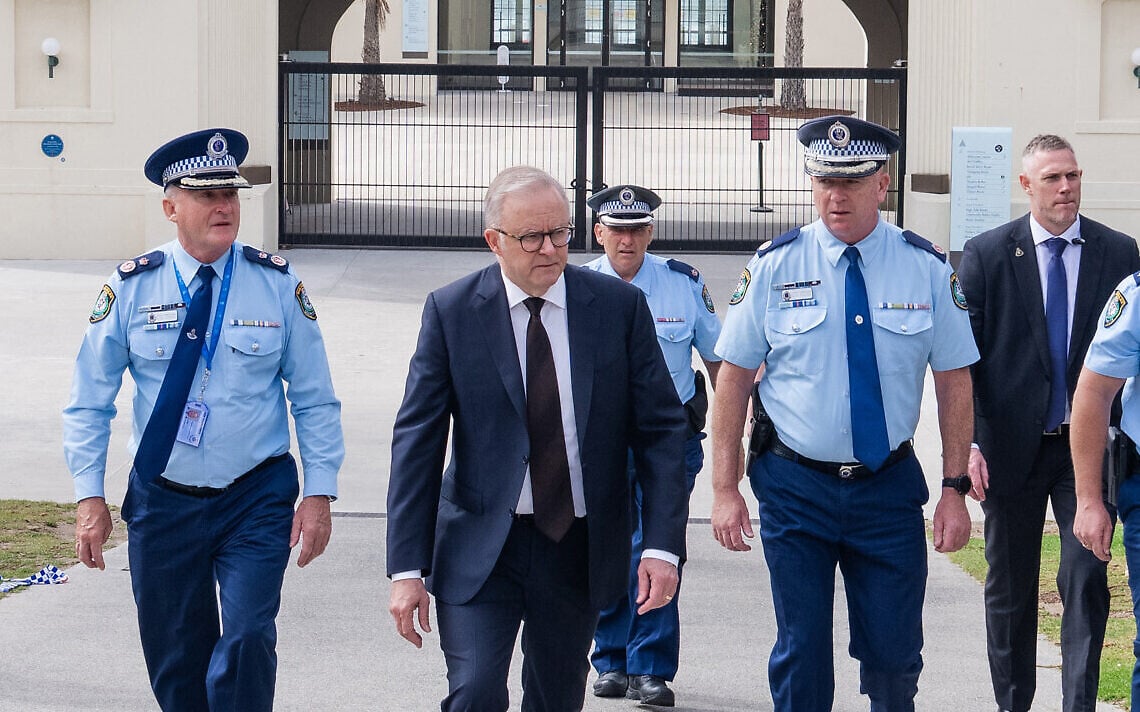
Speaking to reporters during the second day of funerals for the victims, Albanese vowed to eradicate antisemitism from Australian society. "Australians are shocked and angry," he said, adding, "It is clear we need to do more to combat this evil scourge."
The government plans to introduce legislation that will make it easier to charge individuals who promote hate speech and violence. The proposed laws include new powers to target extremist preachers and to deny or revoke visas for those who spread hate and division. According to Albanese, the government will also develop a system for listing organizations whose leaders engage in hate speech.
Home Affairs Minister Tony Burke told reporters that the government intends to make "serious vilification" based on race a federal offense. He noted that some organizations promote division but have avoided legal action because they fall just below the threshold for prosecution. "For a generation, no government has been able to successfully take action against them," Burke said.
The announcement follows Albanese’s promise to tighten Australia’s gun laws, which are already among the strictest in the world. State leaders have also pledged additional initiatives on firearms and stricter rules for protest gatherings.
The prime minister has faced criticism for not attending any of the victims’ funerals. Local media outlets report that he was not invited, despite the presence of other political leaders. That said, the reality is a bit more complicated. Albanese has defended his record, pointing to measures already enacted, such as the February ban on Nazi salutes, as evidence that he takes the threat of antisemitism seriously.
"I of course acknowledge that more could have been done and I accept my responsibility for the part in that as prime minister of Australia," Albanese said. "But what I also do is accept my responsibility to lead the nation and unite the nation."
Antisemitic incidents have continued even after Sunday’s attack. A 19-year-old Sydney man was charged after allegedly threatening violence toward a Jewish person on a flight from Bali to Sydney. Australian Federal Police stated that the man made antisemitic threats and hand gestures indicating violence toward the victim, whom he knew to be affiliated with the Jewish community.
Prosecutors believe the shooters were inspired by ISIS. That said, the reality is a bit more complicated. members of the Jewish community have connected the attack to anti-Israel protests, which they say have created an atmosphere of harassment. Survivor Arsen Ostrovsky, who was wounded in the attack, stated, "When words and hatred are left untouched, it leads to violence."
Treasurer of New South Wales Daniel Mookhey stated that the chant "Globalize the intifada" is hate speech. Queensland Attorney General Deb Frecklington said the government is considering expanding its list of banned hate symbols. Jillian Segal, the government envoy for antisemitism, said Australia is at a crossroads in fighting antisemitism.
Funerals continue for the victims of the attack, including 10-year-old Matilda Britvan, 87-year-old Holocaust survivor Alex Kleytman, and 78-year-old Tibor Weitzen. Questions are also being raised about whether authorities missed warning signs that could have prevented the shooting.
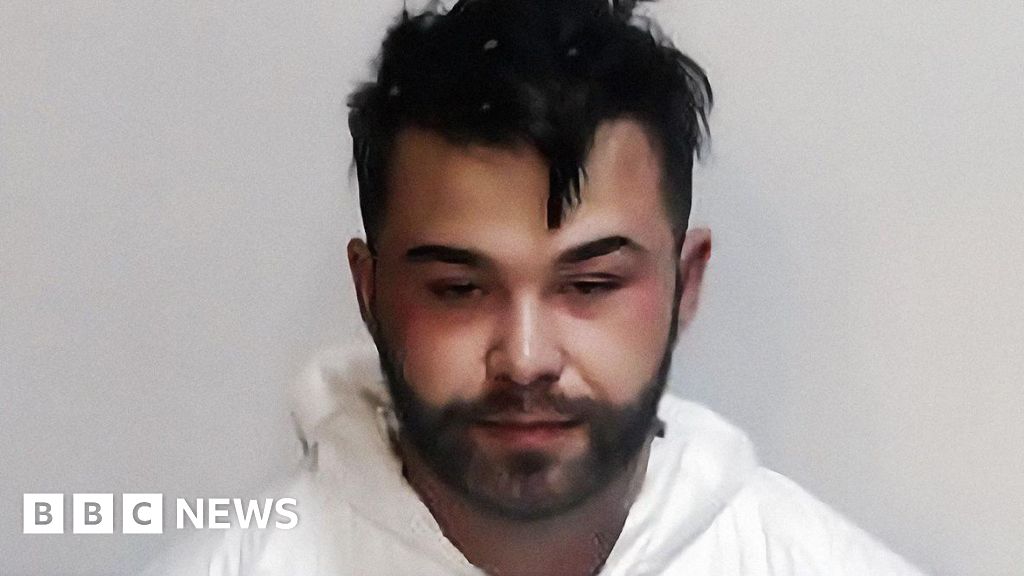
Naveed Akram, 24, has been charged with 15 counts of murder and an act of terrorism. His father, Sajid Akram, 50, was killed by police during the attack. Naveed Akram came to the attention of Australia’s intelligence agency in 2019 but was not considered an imminent threat at the time. Police are investigating whether the pair met with Islamist extremists during a visit to the Philippines weeks before the shooting. Immigration officials confirmed the men entered the Philippines on November 1, listing Davao as their final destination.
Hotel staff in Davao reported that the Akrams barely left their room during their month-long stay in the Mindanao region. The staff recognized them from news reports about the Sydney massacre. Philippine authorities have stated that there is no evidence that the country was being used for terrorist training.
The Bondi Beach attack is the deadliest mass shooting in Australia since the 1996 Port Arthur massacre, which resulted in sweeping gun law reforms. Despite these laws, authorities have noted a rise in privately owned firearms in recent years.