Astronomers uncover mysterious structure beyond Neptune
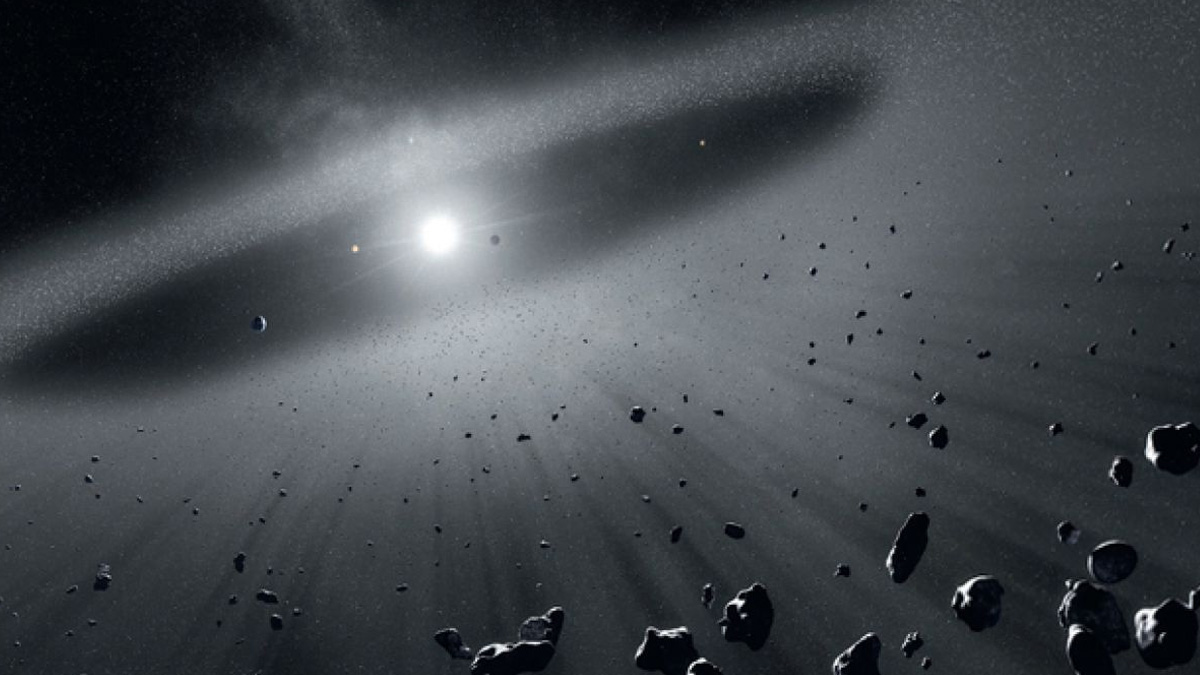
Astronomers have stumbled upon something utterly unexpected beyond Neptune — a hidden structure in the Kuiper Belt that's turning scientific heads,
Astronomers have stumbled upon something utterly unexpected beyond Neptune — a hidden structure in the Kuiper Belt that’s turning scientific heads, stirring intrigue about the primordial beginnings of our solar system. Could this be the cosmic bread crumb leading to the past? We’re about to delve into what could be an astronomical game-changer.
Discovering the Unexpected
In an eye-opening revelation reported by New Scientist, a team of intrepid astronomers unearthed this “unexpected structure in the Kuiper Belt.” Not just a whimsical knot of icy fragments, this structure might hold keys to unlock the early tales of the solar system, shedding light on Neptune’s mysterious migratory past.
Researchers have long known about a tight-knit cluster of Kuiper Belt Objects with aligned orbits, affectionately dubbed the “kernel.” However, this fresh discovery hints at a more intricate weave of cosmic threads than they’d initially grasped. According to recent findings, another “even more compact group of objects,” now christened the “inner kernel,” has emerged from the cosmic shadows.
Mapping Celestial Patterns
The dawn of this discovery owes its light to orbital diagrams, crafted meticulously for 189 Kuiper Belt objects, pinpointing them about 44 astronomical units from our fiery Sun. Fun fact — one astronomical unit spans the gulf between Earth and our solar anchor. Previously, no additional structures gracing the Kuiper Belt were detected.
Aiming to polish the orbital data for integration into an algorithm designed for seeking clumped formations in space, Amir Siraj and his Princeton colleagues took on this cosmic puzzle. The algorithm, tasked with finding the kernel, engaged in an unexpected twist each time it locked onto the kernel; it unearthed another cluster. How does that even happen?
“Every time,” Siraj explained, “the algorithm spotted the kernel, a secondary cluster appeared right beside it.” You can almost picture the excitement in the room when this discovery unfolded — akin to a real-life treasure hunt in the cold depths of space.
A Cosmic Fossil From the Past
The remarkable takeaway here? Every object within this inner kernel follows “remarkably circular orbits,” almost symmetrically nestled against the solar system’s disc. Surely this calm orbiting pattern signals a very ancient and undisturbed structure. As Siraj elucidates, it’s the kind of structure capable of divulging countless secrets about our solar system’s evolution, how giant planets sashayed through orbits, the interstellar environments traversed, and myriad tales of origin.
David Nesvorný, from the Southwest Research Institute, adds another layer to our tapestry of understanding. This revelation might untangle how Neptune embarked on its migration from the warmer comforts of the inner solar system to its chilly perch today. The hypothesis here? While Neptune drifted outward, Kuiper Belt Objects — the kernel and inner kernel denizens — found themselves temporarily ensnared by the planet’s gravitational dance.
Mysteries Waiting in the Cosmos
One can’t help but wonder what else lurks in these distant celestial depths. As the Vera C. Rubin Observatory sets its sights on identifying more objects peppered across the Kuiper Belt, our understanding stands on the brink of expansion. The kernel, inner kernel, and other as-yet-undiscovered structures could soon illuminate the solar system’s frontier mysteries.
“Learning more about the architecture of the Kuiper Belt,” Siraj muses, “equates to peeling back more layers of the solar system’s history.” Every revelation could cast ripples across our cosmic understanding, blending the wonders of the heavens and the curiosity of human spirit.
Ready to dig into more celestial mysteries? With each new finding, we edge closer to understanding the vast cosmic ballet. Follow more stories like these, and share your thoughts — what do you think the next great discovery will be?