Astronomers reveal surprising shape of exploding star SN 2024ggi
Updated on 01 Dec 2025 | Category: Science
Astronomers mapped supernova SN 2024ggi for the first time, revealing an elongated shockwave, challenging old stellar explosion models and reshaping astrophysics understanding globally.
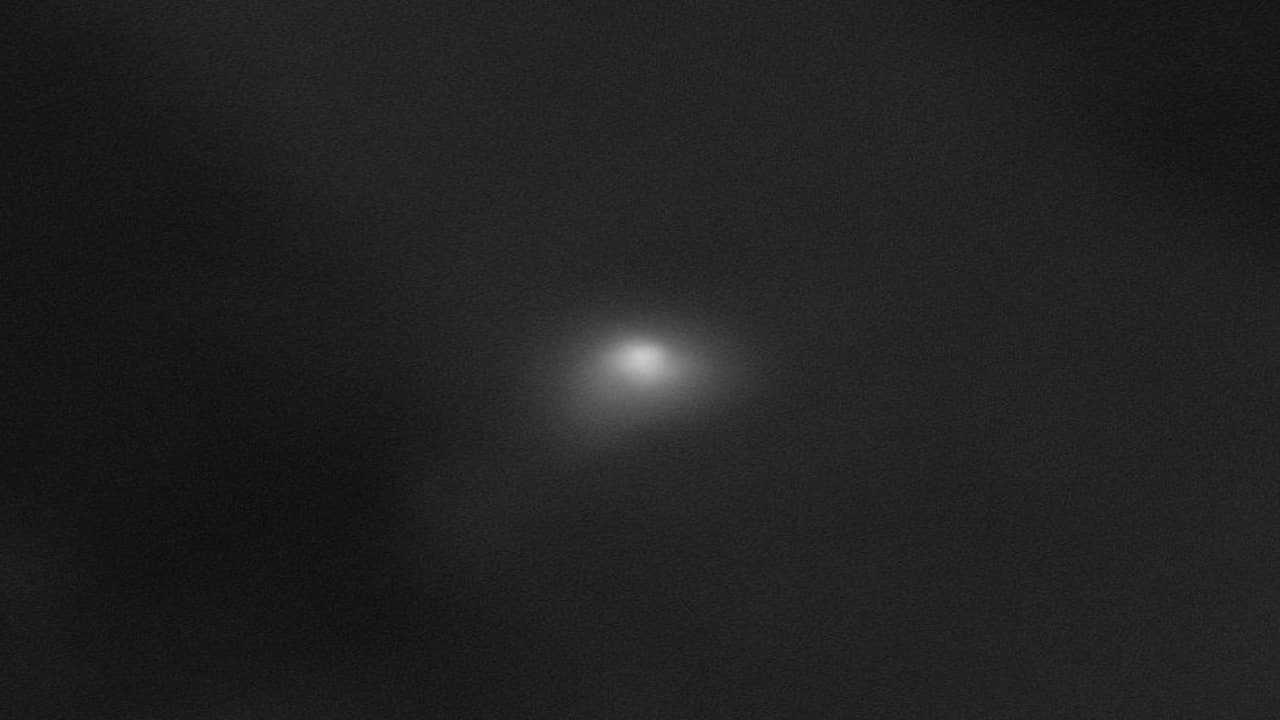
Astronomers have captured a supernova’s shape in unprecedented detail. SN 2024ggi exploded millions of light-years away in Hydra constellation. Early observations reveal an elongated, asymmetric shockwave defying prior expectations. The findings challenge traditional models of how massive stars die.
Supernova Like Never Before Seen
Astronomers have mapped a supernova explosion’s shape for the first. SN 2024ggi exploded recently in the Hydra constellation of stars. It lies approximately twenty-two million light-years from our solar system.
Observations occurred just twenty-six hours after the supernova was detected. The discovery challenges old assumptions about spherical stellar explosions everywhere.
Shockwave Looks Surprisingly Elongated
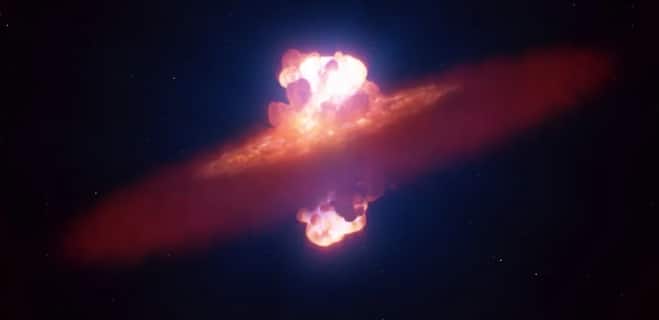
Using the Very Large Telescope, scientists captured the breakout phase. The spectropolarimetry revealed the shockwave was elongated like a giant olive. This shows the blast was asymmetrical from the very beginning. The shape flattened slightly as the explosion expanded over time. Yet, a clear symmetry axis remained throughout the early stages.
Rethinking How Stars Explode
Supernova models usually assume roughly spherical explosions in massive stars. This discovery suggests many stars die with directional, stable shockwaves. The findings may force revisions in theoretical explosion models globally. New models could explain energy distribution in stellar deaths better. It also helps predict formation of neutron stars or black holes.
Why This Discovery Matters
Understanding supernova shapes helps trace elements spread across galaxies. Asymmetrical explosions may affect interstellar chemistry and star formation. Future observations of nearby supernovae could reveal if this is typical. These studies give crucial insight into violent stellar life cycles. Astronomers aim to refine techniques for observing early supernova events.
A Stunning New View of Space
SN 2024ggi shows dying stars are more complex than imagined. The research opens pathways to study star deaths across the cosmos. It inspires refinements in astrophysical simulations and explosion theories worldwide. The universe continues to surprise with physics of stellar destruction. Early observations remain key to unlocking secrets of cosmic explosions.