Merging Neutron Stars: A New Path for Heavy Element Creation?
हिंदी में सुनें
Listen to this article in Hindi
Astronomers may have detected a superkilonova, a potential hybrid supernova-kilonova event, challenging our understanding of neutron star formation and heavy element creation.
The universe is a crucible, forging elements in the hearts of stars and the violent collisions that mark their demise. Supernovae, the spectacular deaths of massive stars, are a familiar sight. Less common, but equally significant, are kilonovae – cataclysmic mergers of neutron stars. Now, astronomers are grappling with a potential new hybrid: a superkilonova, blurring the lines between these two cosmic phenomena and hinting at a previously unknown pathway for creating the universe's heaviest elements.
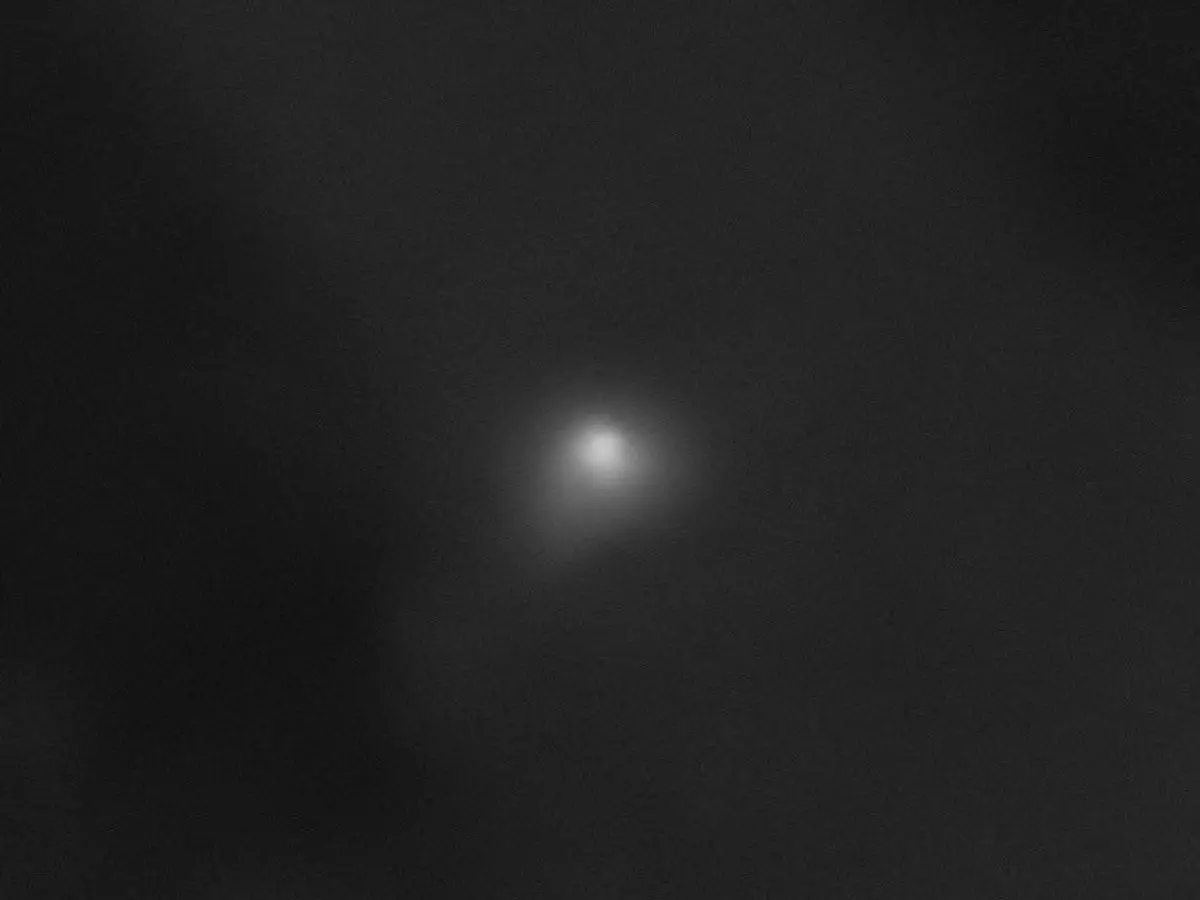
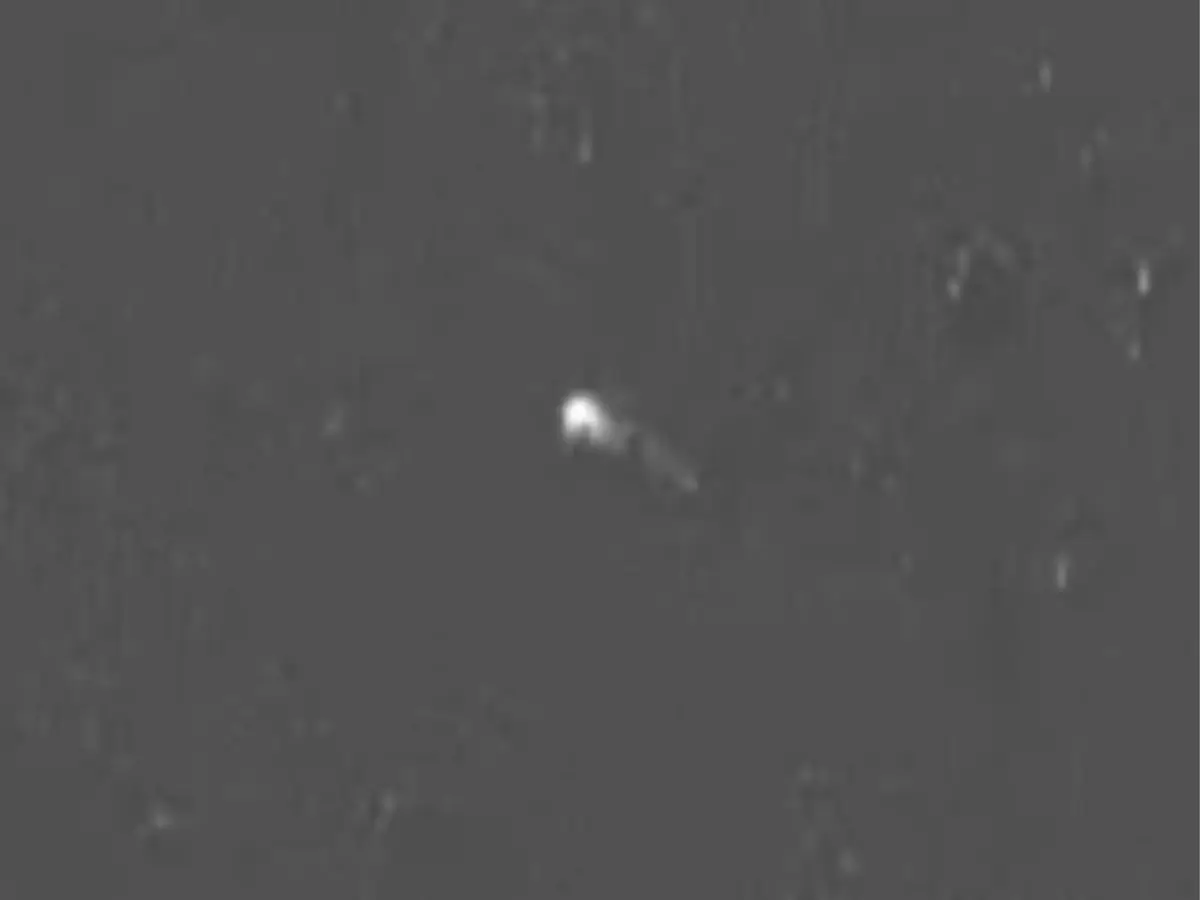
The evidence, published in *The Astrophysical Journal Letters*, stems from a peculiar event detected in the summer of 2025. Gravitational wave detectors picked up a signal, S250818k, seemingly from the merger of two neutron stars. Simultaneously, telescopes observed a transient object, AT2025ulz, in the same region of the sky. Initially, AT2025ulz resembled a typical kilonova, glowing with the telltale red hue indicative of heavy elements like gold and platinum. This red glow is caused by these heavy elements blocking blue light. That said, the reality is a bit more complicated. after a few days, the object's behavior shifted dramatically. It brightened, changed color, and spectroscopic analysis revealed the presence of hydrogen and helium, elements characteristic of a specific type of supernova. This unexpected combination has led scientists to propose the existence of a superkilonova.
To understand the significance, it's crucial to grasp the basics. Supernovae occur when massive stars exhaust their nuclear fuel and collapse. Sometimes, these collapses leave behind incredibly dense remnants called neutron stars. A teaspoon of neutron star material would weigh billions of tons on Earth. Kilonovae, on the other hand, are thought to occur when two neutron stars, or a neutron star and a black hole, collide. These collisions are extremely energetic and are believed to be the primary source of many heavy elements in the universe. The historic GW170817 event provided the first direct observation of a kilonova, confirming its role in heavy element production. For more on these celestial explosions, see this science basics explainer.
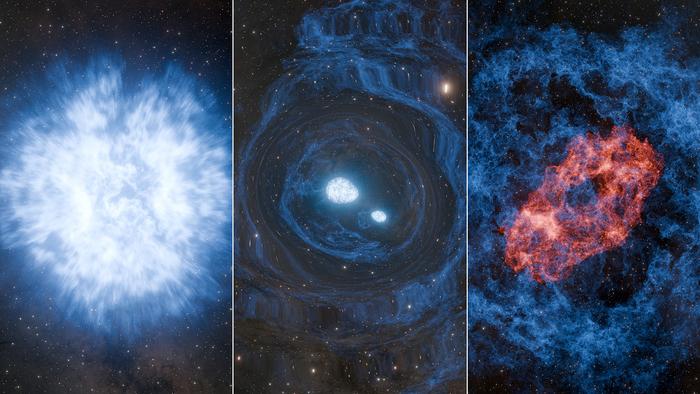
The proposed superkilonova scenario suggests a massive star collapsed in a supernova, but instead of forming a single neutron star, the rapidly spinning core fragmented into two smaller neutron stars. These baby neutron stars then quickly spiraled inward and merged, triggering a kilonova. The supernova explosion would then obscure the kilonova, creating a complex, hybrid signal. This hypothesis offers a potential explanation for the unusual characteristics observed in the 2025 event, specifically the initial kilonova-like signature followed by the emergence of supernova features. The key here is the potential formation of subsolar mass neutron stars, objects lighter than what standard stellar evolution models predict. Such objects might only form in the extreme conditions created by the collapse of a rapidly rotating star.
That said, the reality is a bit more complicated. significant questions remain. The authors acknowledge that the spatial and temporal overlap between the gravitational wave signal and the optical transient could be a coincidence. Supernovae are relatively common events, and a chance alignment with a neutron star merger, while unlikely, cannot be entirely ruled out. Furthermore, the considerable distance to the event, 1.3 billion light-years away, makes detailed observations challenging. Distinguishing the faint signals of a kilonova buried within a supernova requires extremely sensitive instruments and sophisticated analysis techniques. Differentiating between different types of supernovae is crucial in correctly identifying the nature of these events.
This potential discovery pushes the boundaries of our understanding of stellar evolution and nucleosynthesis. If superkilonovae are indeed real, they represent a new channel for the formation of low-mass neutron stars and a potentially significant source of heavy elements. It suggests that our current models of stellar death may be incomplete, and that exotic scenarios involving rapidly rotating stars and fragmented cores can occur in nature. The observations highlight the importance of multi-messenger astronomy, combining gravitational wave and electromagnetic observations to gain a more complete picture of these complex cosmic events. Future missions, such as the Nancy Roman Space Telescope, are expected to play a crucial role in detecting and characterizing these rare and enigmatic phenomena. This finding also relates to prior research background on the formation of heavy elements in neutron star mergers.
While the evidence for a superkilonova is compelling, further observations and theoretical modeling are needed to confirm its existence. Nevertheless, this event serves as a reminder of the universe's capacity for surprise, and the ongoing quest to unravel its deepest mysteries.
Editor’s note: This article was independently written by the Scoopliner Editorial Team using publicly available information.