Asteroid With ‘Sleepy’ Amino Acid May Hold Clues On How Life Began: Here’s What NASA Reveals
Asteroid Sleepy Amino Acid: The discovery was made possible by NASA's OSIRIS-REx mission, which touched down on Bennu in 2020, gathered 121.6 grams of rock and dust, and returned the samples to Earth in 2023.
NASA asteroid discovery: In a breakthrough that strengthens theories on the cosmic origins of life, NASA scientists have confirmed the presence of tryptophan, which is one of the most complex amino acids necessary for life, inside samples collected from the near-Earth asteroid Bennu. The findings, which have been published in the journal PNAS, represent the first detection of tryptophan on any meteorite or extraterrestrial sample.
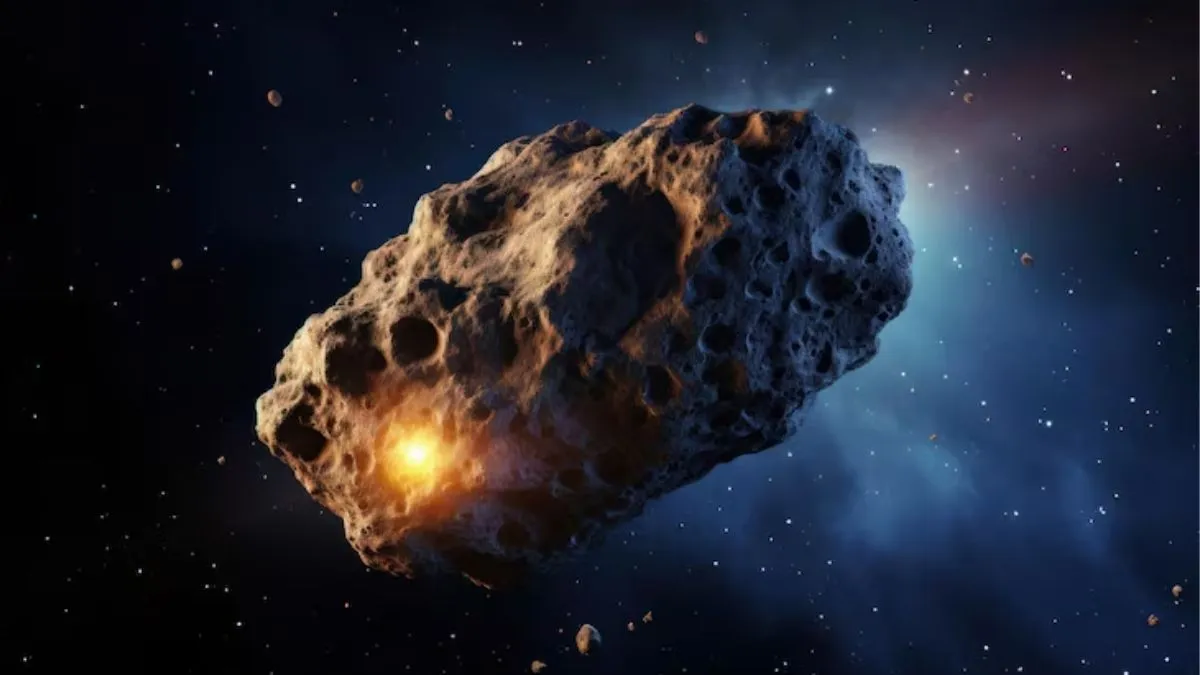
The discovery was made possible by NASA's OSIRIS-REx mission, which touched down on Bennu in 2020, gathered 121.6 grams of rock and dust, and returned the samples to Earth in 2023. Due to their direct collection from the surface, the materials are pristine and uncontaminated, affording scientists a rare look into the chemical environment of the early solar system.
Why Tryptophan Matters?
Tryptophan, frequently referred to as the "sleepy" amino acid, is an essential component in the formation of proteins and serotonin within living organisms. Its presence on Bennu suggests complex organic chemistry was occurring naturally in space more than 4.5 billion years ago.
José Aponte, an astrochemist at NASA’s Goddard Space Flight Center, referred to the detection as “a big deal,” as the discovery of such a complex molecule forming naturally in space strengthens the idea that the ingredients for life existed before Earth was formed.
Sample Shows Rich Mix Of Life-Linked Chemistry
In addition to tryptophan, the researchers identified the presence of 14 other protein-forming amino acids and all five nucleobases, the building blocks of DNA and RNA. The Bennu fragments are also rich in carbon, nitrogen, and clay minerals called phyllosilicates, which form only in the presence of water. That means that Bennu's parent body once hosted liquid water systems, priming the conditions for prebiotic chemical reactions.
Scientists also detected water-soluble phosphates and magnesium-sodium phosphate, compounds that provide the necessary biochemistry for energy transfer in living organisms. These fragile salts rarely survive when meteorites crash into Earth, which is why returning a sample directly from space proved crucial.
ALSO READ: Mysterious Lightning On Mars? NASA Rover Records Crackling Sounds, Captures Shockwaves For First Time
Asteroids like Bennu and Ryugu have now yielded dozens of organic molecules that match those found in Earth-based life. Researchers say this consistent pattern shows that the seeding of life’s ingredients may have been a widespread cosmic process.
ALSO READ: Will Asteroid 2024 YR4 Collide With The Moon? Here’s What NASA Has Confirmed So Far
Further tests are expected to provide a clear confirmation of the presence of tryptophan, but scientists rule out the chance of contamination since Bennu's samples were handled in pristine ways. As researchers continue with the material, they say findings will help answer one of science’s oldest questions that did life begin on Earth, or did it come from the stars.