Are the planes there? Mysterious new discovery made at the Bermuda Triangle
हिंदी में सुनें
Listen to this article in Hindi
Scientists discovered a 20-km-thick rock layer beneath Bermuda, challenging existing views of volcanic islands and geological history in the area.
A geological mystery is unfolding beneath the infamous Bermuda Triangle. Researchers have identified a unique, 20-kilometer-thick layer of rock under Bermuda, a feature unlike anything else found on Earth.
The team, comprised of scientists from Carnegie Science and Yale University, made the discovery by analyzing seismic data from earthquakes. This data allowed them to map the Earth's interior below Bermuda, revealing a substantial, low-density layer positioned between the crust and the tectonic plate.
The findings were documented and published in the journal *Geophysical Research Letters*.
What is the Bermuda Triangle?
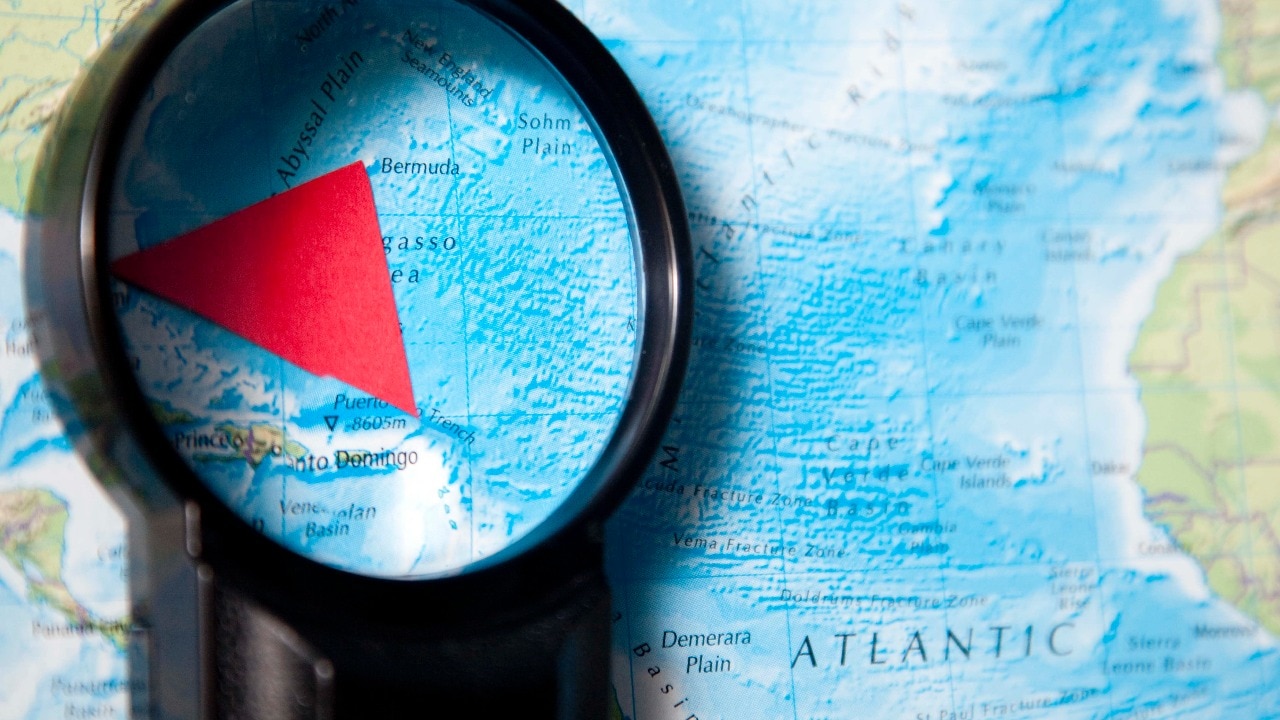
The Bermuda Triangle, sometimes called the Devil's Triangle, is a region loosely defined by points in Florida, Bermuda, and Puerto Rico. This area covers approximately 700,000 square kilometers of ocean and has gained notoriety due to the unexplained disappearances of numerous ships and aircraft. Over the past century, it's estimated that at least 1,000 lives have been lost within the Triangle.
Ancient Volcanoes and Oceanic Swells
The newly discovered rock layer is believed to be a remnant of ancient volcanic activity, potentially linked to the breakup of the supercontinent Pangea millions of years ago.
William Frazer, a seismologist at Carnegie Science and the study's lead author, explained the unusual structure. "Typically, you have the bottom of the oceanic crust, and then it would be expected to be the mantle," he said. "But in Bermuda, there is this other layer that is emplaced beneath the crust, within the tectonic plate that Bermuda sits on."
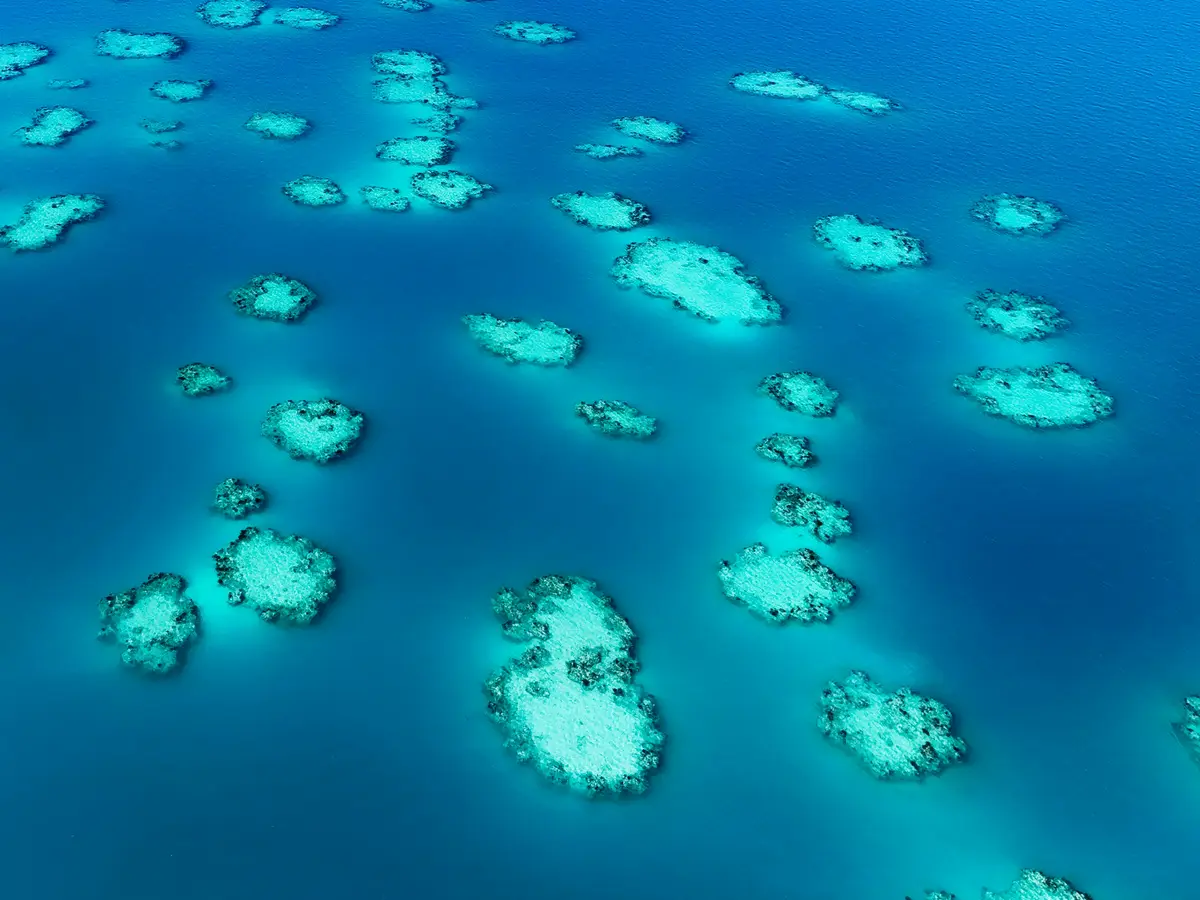
This unusual geological feature may also explain the oceanic swell around Bermuda. The seafloor in this area rises 500 meters higher than the surrounding regions, despite the absence of recent volcanic activity.
Sarah Mazza, a geologist at Smith College who was not involved in the research, commented on the finding. "There is still this material that is left over from the days of active volcanism under Bermuda that is helping to potentially hold it up as this area of high relief in the Atlantic Ocean," she stated.
The discovery prompts a re-evaluation of how volcanic islands are formed and highlights the unique geological characteristics of Bermuda.
The research team plans to investigate whether similar structures exist beneath other islands. Such findings could significantly change our understanding of Earth’s geological history.
Frazer emphasized the importance of studying unique locations like Bermuda. "Understanding a place like Bermuda, which is an extreme location, is important to understand places that are less extreme," he noted. "[It] gives us a sense of what are the more normal processes that happen on Earth and what are the more extreme processes that happen."