Akshaye Khanna's Market Value Soars, Leading to 'Drishyam 3' Exit
हिंदी में सुनें
Listen to this article in Hindi
Akshaye Khanna's departure from 'Drishyam 3' highlights the increasing market value of seasoned actors and the financial pressures in franchise filmmaking.
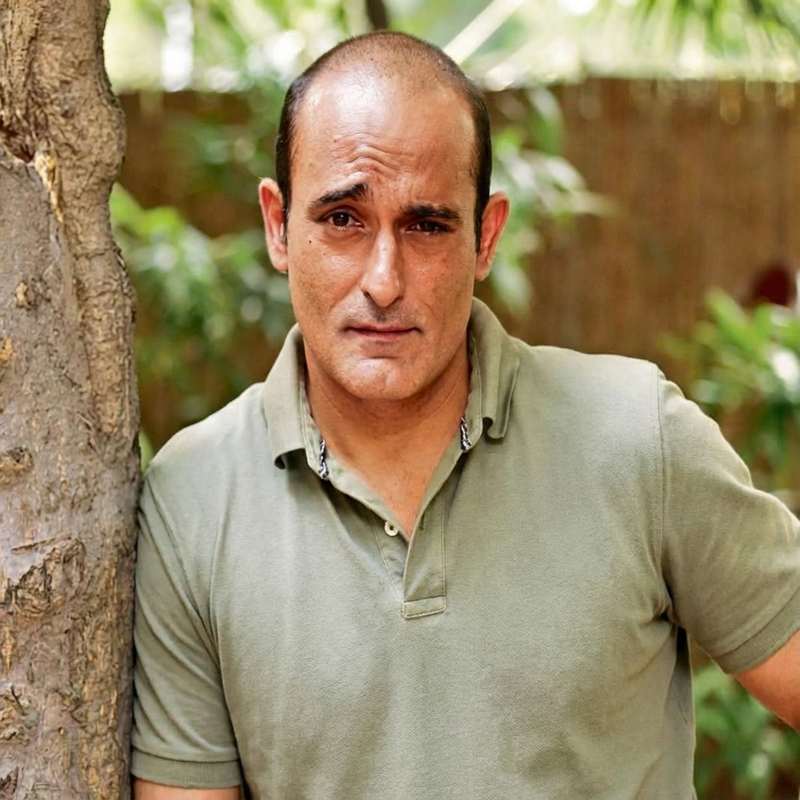
Akshaye Khanna will not be appearing in 'Drishyam 3', set to release on October 2, 2026, starring Ajay Devgn, Tabu, Shriya Saran, and Rajat Kapoor. Khanna's absence follows his critically acclaimed performance in 'Drishyam 2' (2022), where he played a key antagonist. Reports indicate that the actor's exit stems from disagreements over remuneration and creative control.
According to Bollywood Hungama, Khanna, buoyed by the success of recent projects such as 'Dhurandhar' and 'Chhaava', sought a fee of Rs 21 crore for his role in 'Drishyam 3'. The production team reportedly found this demand incompatible with the film's established budget. In addition to the salary request, Khanna also proposed a change to his character's appearance, specifically requesting to wear a wig. The filmmakers, prioritizing visual continuity with 'Drishyam 2', were reportedly against this alteration.
Akshaye Khanna's career has seen a resurgence in recent years, solidifying his position as a sought-after performer known for his versatility and ability to portray complex characters. His performances in web series like 'Dhurandhar' and historical dramas like 'Chhaava' have been praised for their depth and intensity. This renewed success has demonstrably increased his market value, empowering him to negotiate higher fees.
Khanna's departure from 'Drishyam 3' underscores the financial realities of franchise filmmaking. While established franchises like 'Drishyam' can attract significant investment, budget constraints often dictate casting decisions. The 'Drishyam' franchise, known for its intricate plots and strong ensemble cast, has been a consistent box office draw. That said, the reality is a bit more complicated. balancing production costs with talent fees is a constant challenge for filmmakers, particularly when dealing with actors whose market value has recently increased.
The situation highlights the evolving dynamics of the Bollywood industry, where actors are increasingly aware of their worth and are willing to negotiate for fair compensation. While Khanna’s exit was amicable, it serves as a case study on the intersection of creative vision, financial feasibility, and talent management within the context of large-scale film productions.
Editor’s note: This article was independently written by the Scoopliner Editorial Team using publicly available information.