Airbnb fined £56m by Spain for advertising unlicensed properties
हिंदी में सुनें
Listen to this article in Hindi
Airbnb faces a £56m fine in Spain for advertising apartments lacking proper licenses, some even banned from rental use, sparking housing concerns.
Spain has levied a €64 million (£56 million) fine against Airbnb due to the company's advertising of properties lacking the necessary licenses for rental. The government stated that some listed properties were even prohibited from being rented out.
The fine requires Airbnb to remove the advertisements for these unlicensed properties. While Spain's Consumer Affairs Ministry claims the fine is not subject to appeal, Airbnb has announced its intention to contest the decision in court.
Spain's booming tourism sector has raised concerns about housing affordability. The high demand from tourists is driving up housing costs, potentially displacing local residents. Consumer Rights Minister Pablo Bustinduy stated that some are profiting from business models that force people from their homes, while many families struggle with housing.
Airbnb responded by stating its belief that the Ministry of Consumer Affairs' actions are against Spanish regulations. A spokesperson said that Airbnb has been working with the Ministry of Housing to support the enforcement of the new national registration system implemented in July, following changes to short-term rental regulations.
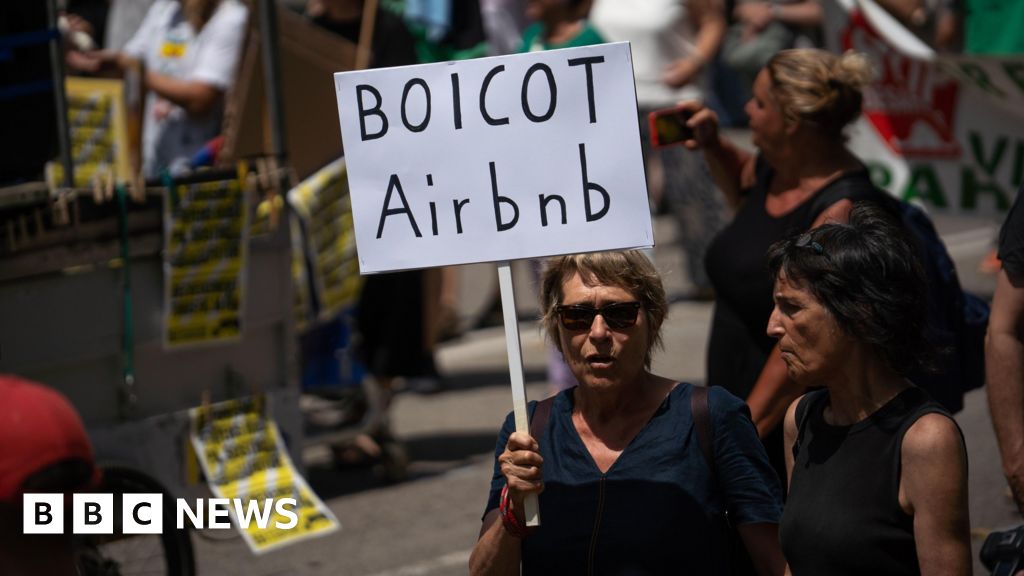
Like many other countries, the Spanish government is grappling with the impact of short-term holiday rentals on neighborhoods. There have been crackdowns on the number of properties Airbnb can advertise, including banning thousands of listings. Protests against the company occurred in May, ahead of the peak summer season.
The government reported that 65,122 Airbnb advertisements violated consumer rules. These violations included advertising properties without proper rental licenses and listings where the license numbers did not match official records.
Bustinduy commented on social media, stating that no company, regardless of its size or power, is above the law, particularly when it comes to housing.
Many popular tourist destinations, such as Barcelona, New York, Berlin, Paris, and San Francisco, already have strict regulations in place for Airbnb. The platform, founded in 2007, gained significant popularity around 2014 as tourists sought affordable lodging options without hotel taxes. The rise of Airbnb allowed individuals to become hosts and earn income by renting out spare rooms. That said, the reality is a bit more complicated. numerous major cities have since imposed restrictions due to issues like noisy parties and unattended properties.