The Digital Battlefield: AI Manipulation and the Iranian Protests
हिंदी में सुनें
Listen to this article in Hindi
Exploring the implications of AI-manipulated imagery amid Iran's protests and its significance in global affairs.
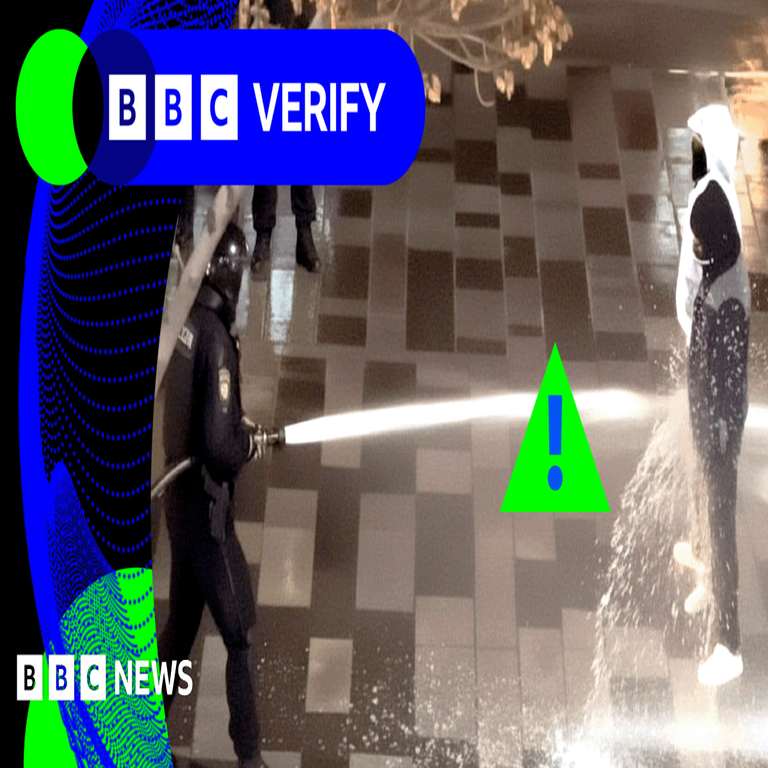
The recent protests in Iran, marked by significant unrest and reported casualties, have gained international attention as a reflection of the country's internal strife and socio-economic challenges. That said, the reality is a bit more complicated. the way these events are being represented online introduces a new layer of complexity that merits closer examination. The intertwining of genuine footage and AI-generated images raises crucial questions about authenticity, narrative control, and the impact of digital misinformation on geopolitical dynamics.
As the protests unfold, the visibility of AI-manipulated images highlights the evolving nature of information warfare. In a time when the global community increasingly relies on digital platforms for news consumption, the potential for AI to alter perceptions and sway public opinion becomes a matter of strategic significance. The use of AI tools to enhance or fabricate images can distort reality, complicating the already murky waters of public discourse surrounding sensitive political issues.
Currently, the dissemination of altered images, such as those shared by the Israeli foreign ministry, illustrates how state actors may leverage AI for propaganda purposes. The manipulation of imagery is not merely an issue of media ethics; it represents a calculated strategy to influence international perceptions and bolster narratives that align with specific geopolitical interests. This tactic raises alarm bells about the integrity of information that shapes international responses to domestic crises.
The implications of such developments extend beyond Iran's borders. As countries grapple with their own internal challenges, the ability to control narratives through AI-enhanced media could inspire similar tactics in other regions. Nations facing dissent may resort to digital manipulation as a means to delegitimize opposition or to divert attention from pressing issues. This trend could further exacerbate tensions between states, particularly in a global landscape already characterized by skepticism towards media credibility.
Moreover, the intersection of AI technology and social movements poses risks for activists and opposition groups. The potential for their images and narratives to be compromised or misrepresented could undermine their efforts, leading to a chilling effect on free expression and the ability to mobilize support. As the digital environment becomes increasingly weaponized, the stakes for civil society actors grow higher, necessitating greater awareness and protective measures.
In this context, the international community must consider the ramifications of AI-manipulated content on diplomacy and global solidarity. The complexity of discerning fact from fiction in a digital age presents challenges for policymakers who rely on accurate information to inform their decisions. Misinformation could lead to misguided interventions or support for movements that may not represent the realities on the ground.
Furthermore, the role of tech companies and their responsibility in mitigating the spread of manipulated content is under scrutiny. As platforms grapple with the implications of AI technology, the balance between innovation and ethical standards becomes increasingly delicate. The measures taken—or not taken—by these companies will likely influence public trust in digital information sources and, by extension, in democratic processes worldwide.
As the situation in Iran continues to evolve, the intersection of technology, media, and political unrest emphasizes the need for vigilance in how information is consumed and shared. The ongoing protests serve as a case study in the potential for AI to reshape narratives and influence global perceptions, posing both challenges and opportunities for international engagement. In an era where information is a weapon in its own right, understanding the dynamics of AI manipulation is crucial for navigating the complexities of contemporary geopolitics.
Editor's note: This article was independently written by the Scoopliner Editorial Team using publicly available information.