Tragedy in the Swiss Alps: A Reflection on Global Safety Standards in Public Venues
हिंदी में सुनें
Listen to this article in Hindi
The Swiss Alps bar fire raises questions about safety regulations in public venues worldwide and their implications for global event culture.
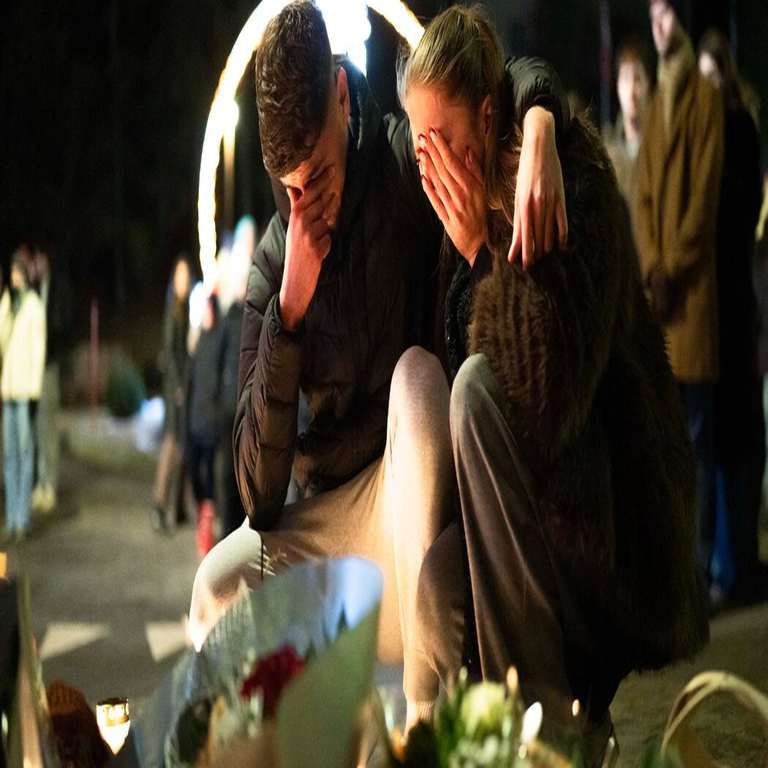
The recent tragedy in the Swiss Alps, where a bar fire claimed approximately 40 lives during New Year's Eve festivities, serves as a grim reminder of the vulnerabilities inherent in public entertainment venues worldwide. This incident highlights not only the immediate implications for safety protocols but also raises broader questions regarding the adequacy of global safety standards in places designed for mass gatherings.
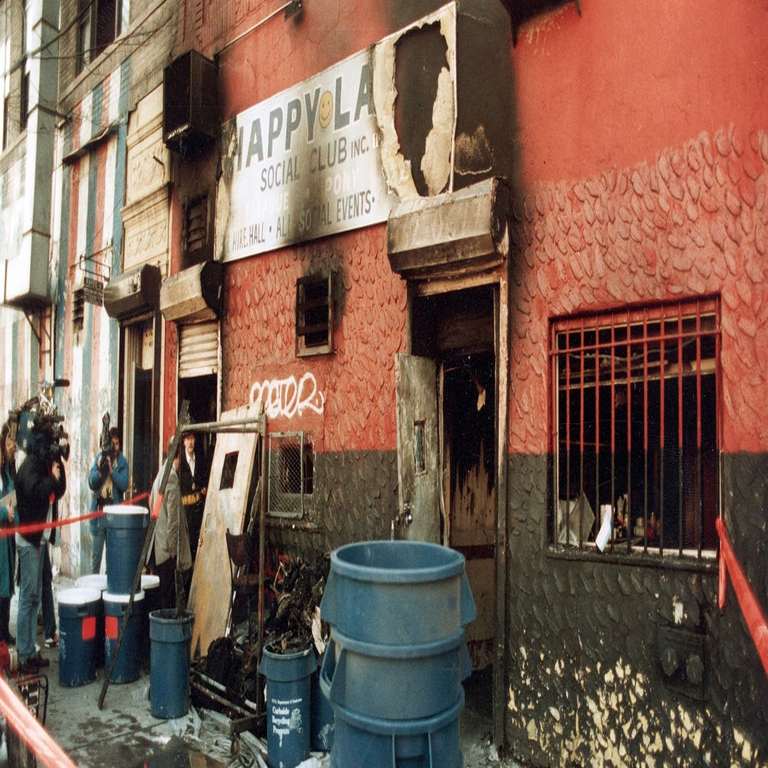
The context of this tragedy can be situated within an ongoing global discourse about public safety, particularly in light of previous incidents that have led to significant casualties. The Station nightclub fire in the United States, which resulted in 100 deaths in 2003, exemplifies similar failures in safety practices. These events serve as critical case studies that reveal systemic issues, including the adequacy of regulations, enforcement of fire codes, and the architectural designs of venues intended for large crowds.
As nations grapple with the balance between cultural celebration and public safety, the Swiss fire underscores the urgency for comprehensive reviews of safety measures. The convergence of large crowds, often fueled by celebratory atmospheres, can lead to dangerous scenarios, particularly in venues that may not be adequately prepared for emergencies. The rapid spread of fire in the Swiss bar, attributed to its wooden structure, exemplifies how design choices can exacerbate risk.
In the current geopolitical landscape, this tragedy may prompt a reevaluation of safety protocols not only in Switzerland but across Europe and beyond. Countries with similar cultural practices and architectural styles may find themselves scrutinized for their preparedness and regulatory frameworks. The implications extend beyond national borders, as international event organizers and venue operators may face increased pressure to comply with higher standards and to implement rigorous safety measures.
The potential for increased regulation raises important considerations regarding the economic impact on the hospitality and entertainment industries. Stricter safety protocols may lead to higher operational costs for venues, which could be passed onto consumers. This economic calculus is especially pertinent in a post-pandemic world where the hospitality sector is still recovering, and any additional burdens could hinder growth and innovation.
Moreover, the ongoing dialogue about safety in public venues intersects with broader societal concerns about crowd management and emergency response. The chaotic scenes described by survivors in the Swiss incident reflect the need for better crowd control measures, training for staff, and clear emergency protocols. The experience of individuals during such crises can inform future strategies for managing large gatherings, ensuring that safety is prioritized without dampening the festive spirit of public celebrations.
In navigating these complex issues, policymakers, industry leaders, and emergency responders must collaborate to establish a unified approach to safety that accommodates cultural practices while safeguarding human life. The lessons learned from both the Swiss Alps fire and other historical tragedies could drive the development of more resilient and responsive safety frameworks.
So where does that leave things? the catastrophic fire in the Swiss Alps serves as a pivotal moment for reflection on public safety in entertainment venues globally. The urgency to reassess safety protocols is heightened by the interconnectedness of modern society, where international travel and cultural exchanges are commonplace. As nations move forward, the need for a comprehensive, collaborative approach to venue safety will be crucial in preventing future tragedies and ensuring that public celebrations can continue without the shadow of disaster.
Editor's note: This article was independently written by the Scoopliner Editorial Team using publicly available information.