Navigating the AI Frontier: Javed Akhtar and Kangana Ranaut's Stand Against Deepfakes
हिंदी में सुनें
Listen to this article in Hindi
Javed Akhtar and Kangana Ranaut's recent experiences highlight the growing concerns over AI-generated content in the entertainment industry.
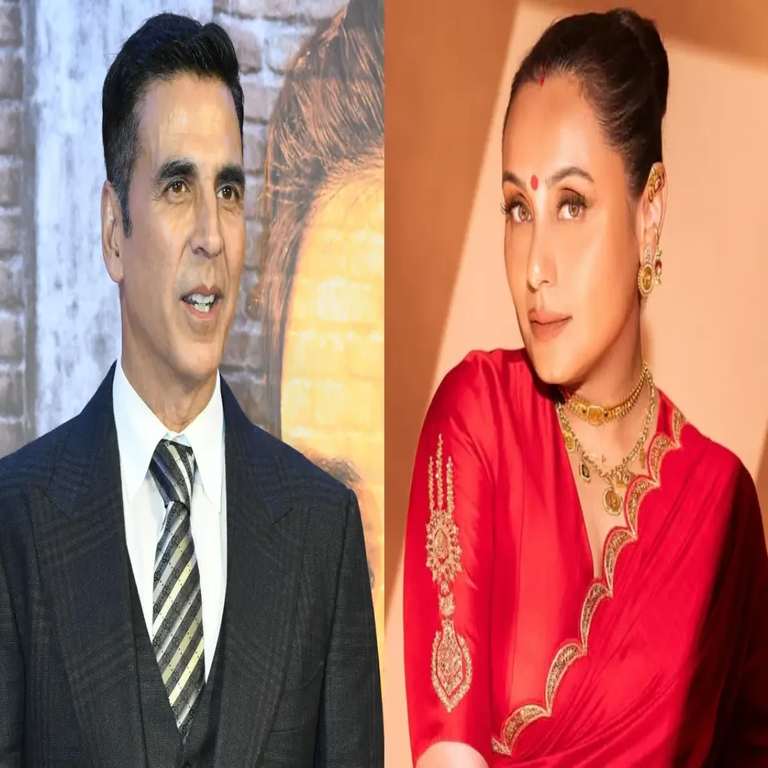
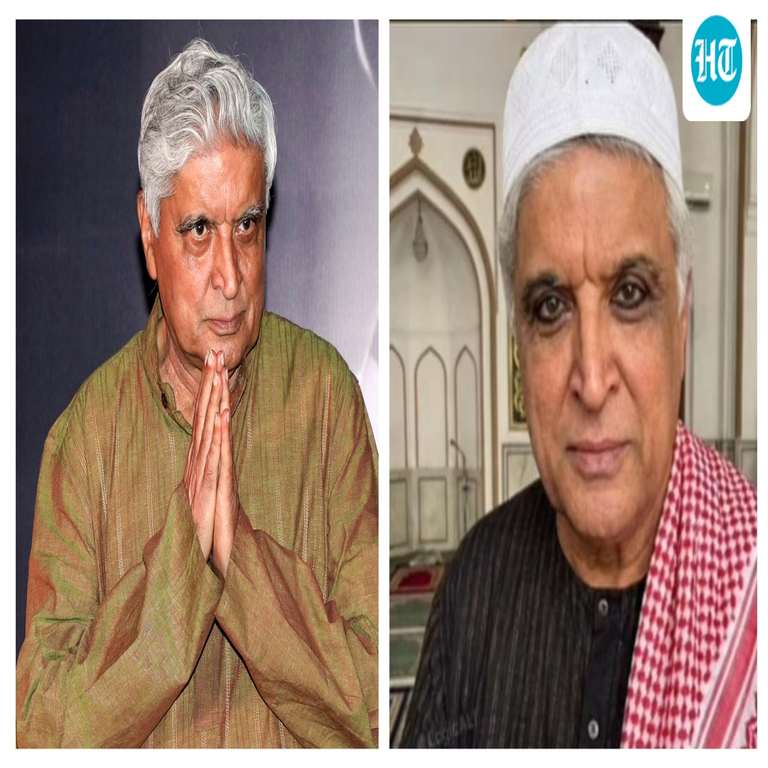
The emergence of artificial intelligence (AI) technologies has brought both innovation and ethical dilemmas to the forefront of the entertainment industry. Recently, renowned lyricist Javed Akhtar publicly condemned a fake AI-generated video that misrepresented him, claiming he had turned to God. This incident, alongside similar concerns raised by actress Kangana Ranaut regarding AI-edited images of herself, underscores a significant cultural and legal challenge facing creatives in today's digital landscape.
On social media, Akhtar expressed outrage over the deepfake video, emphasizing his intention to explore legal avenues against those responsible for its circulation. His comments reflect a broader anxiety regarding the potential for AI to misrepresent public figures and manipulate their identities. The rapid advancement of deepfake technology raises questions not only about personal reputation but also about the ethical ramifications of using AI in media.
This issue is not isolated to Akhtar; Kangana Ranaut's recent experiences with AI-altered photographs highlight a growing trend where celebrities find their images altered without consent, often resulting in public misperceptions. Ranaut's call for the cessation of AI manipulation in her likeness speaks to a broader concern among entertainers regarding autonomy over their public image. The nuances of digital representation are increasingly becoming points of contention in a time when the lines between reality and digital fabrication are blurring.
The rise of AI tools in content creation has led to significant shifts in the industry, affecting everything from marketing strategies to audience engagement. That said, the reality is a bit more complicated. as seen with Akhtar and Ranaut, the potential for misuse poses risks that could undermine the integrity of artistic expression. This challenge necessitates a critical examination of the legal frameworks governing digital content and the responsibilities of platforms that distribute such material.
Moreover, the incidents involving Akhtar and Ranaut illustrate a growing awareness among artists regarding the implications of AI on their careers. As public figures speak out, it may prompt industry stakeholders to reassess the ethical guidelines surrounding AI-generated content, emphasizing the need for consent and authenticity. The rapid proliferation of AI technology calls for a reevaluation of existing laws and practices to ensure they keep pace with the evolving digital landscape.
So where does that leave things? the backlash from Akhtar and Ranaut not only sheds light on personal grievances but also serves as a reflection of the broader implications of AI in the entertainment industry. It highlights the urgent need for dialogue on digital ethics, particularly regarding how AI technologies can impact the reputations and careers of individuals in the public eye. As the industry navigates this complex terrain, it may ultimately lead to new standards and practices that prioritize the rights and identities of artists in an increasingly AI-driven world.
Editor's note: This article was independently written by the Scoopliner Editorial Team using publicly available information.