After Baikonur accident, could Russia choose to abandon the ISS? Here's what it said in the past
NASA has confirmed that the launchpad at the Baikonur Cosmodrome in Kazakhstan used by Russia is damaged. This means it would not be able to launch astronauts to the space station until it is fixed. Is there a possibility that Russia chooses not to fix it at all and abandons the ISS?
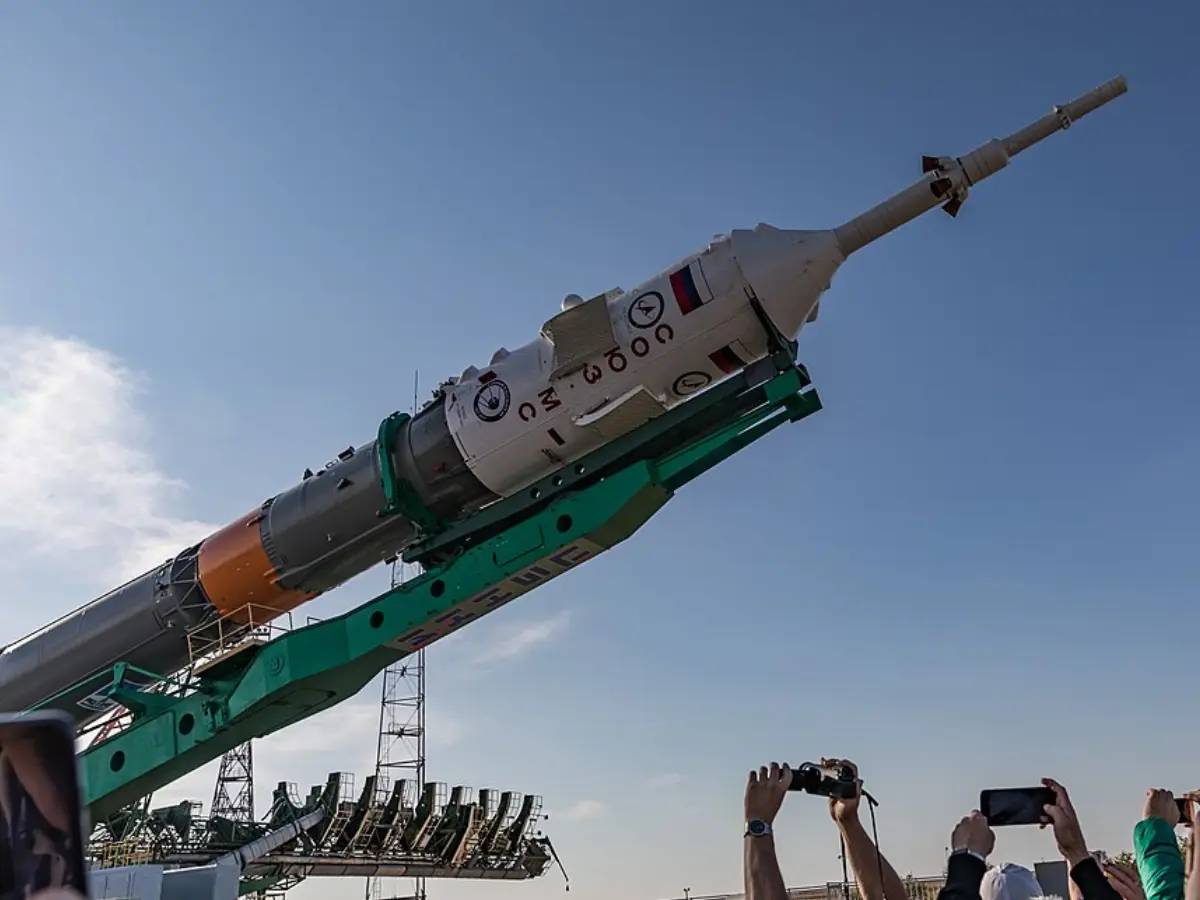
The recent blow to the only launch pad Russia uses to launch humans into space has put a question mark on its cooperation with NASA to keep the International Space Station staffed and working. On November 27, the launch pad at the Baikonur Cosmodrome in Kazakhstan was damaged following the Soyuz MS-28 launch, which sent Russian cosmonauts Sergey Kud-Sverchkov and Sergei Mikaev, alongside NASA astronaut Chris Williams, to the International Space Station (ISS). However, an inspection that followed protocol found that the platform was damaged. Reports suggest the service platform used to access rockets' engines fell into the "flame trench" below. Roscosmos did not confirm the exact nature of the damage, and said in a statement that the damage was "currently being assessed" and would be "repaired shortly."
Roscosmos has not provided a timeline for the repairs. Until the launch pad is fixed, Russia cannot carry out any crewed launches to the ISS since this is the only workable base it has for such missions. NASA has also confirmed the problem, since the two countries work together to staff the space station. "NASA coordinates closely with its international partners, including Roscosmos, for the safe operations of the International Space Station and its crew members," a spokesperson for the American space agency told Futurism.
Also Read: Russia loses human-spaceflight capability for first time in nearly 70 years — Details
Add WION as a Preferred Source
Could Russia choose not to fix the Baikonur launch pad?
Now, experts are doubtful about how soon, and whether, Russia would fix the base at Baikonur. The United States and Moscow have been at loggerheads over the Ukraine war. But the two countries have remained committed to working together on staffing the space station. Now that Russia's base in Kazakhstan is damaged, the Soyuz capsules cannot be used to launch astronauts to the ISS. The only other currently available method is SpaceX’s Dragon spacecraft.
The Baikonur Cosmodrome was constructed in the late 1950s. After the fall of the Soviet Union in 1991, Kazakhstan loaned the site to Russia for around $115 million a year.
Trending Stories
Also Read: 133 light-years away, astronomers may have spotted a ‘monster’ exomoon for the first time
In the past, Russia has shown hesitation to continue with its commitment to keep the space station running. In 2021, the then deputy prime minister of the country, Yury Borisov, announced that Russia may decide if sending cosmonauts to the space outpost may no longer be worth it, according to The Moscow Times. “We need a technical inspection at the station to avoid any risks in the event of an emergency. We will make a decision based on the results and honestly notify our partners," Borisov’s office told the state-run TASS news agency. He was also the General Director of Roscosmos from 2022 to 2025. However, in late 2024, he confirmed that Russia would be supporting operations at least until 2028. Notably, NASA is committed to keeping the ISS running till 2030, after which it will de-orbit the space laboratory.
Also Read: Universe makes us happy, quite literally: NASA finds ‘Happy Hormone’ molecule in asteroid Bennu
When a former Roscosmos chief threatened to drop ISS on US, India or China
Dmitry Rogozin, who was the chief of Roscosmos from May 2018 to July 2022, once threatened to crash the ISS over the US or Europe, even mixing in India and China into the threats. Hitting back at the sanctions slapped on Russia after the start of the Ukraine war, he wrote on X that the 500-ton structure could fall onto any country. He questioned, "Who will save the ISS from an uncontrolled deorbit and fall into the United States or Europe?" "There is also the option of dropping a 500-ton structure to India and China. Do you want to threaten them with such a prospect?"
Voyager Technologies senior official Jeff Manber told the New York Times, It's going to be "interesting" to see “how committed is the Russian leadership to fixing that launchpad and continuing the contributions to the International Space Station program?”