Geopolitical Implications of Israel's Recognition of Somaliland
हिंदी में सुनें
Listen to this article in Hindi
Analyzing Israel's recognition of Somaliland and its implications for regional stability and international relations in the Horn of Africa.
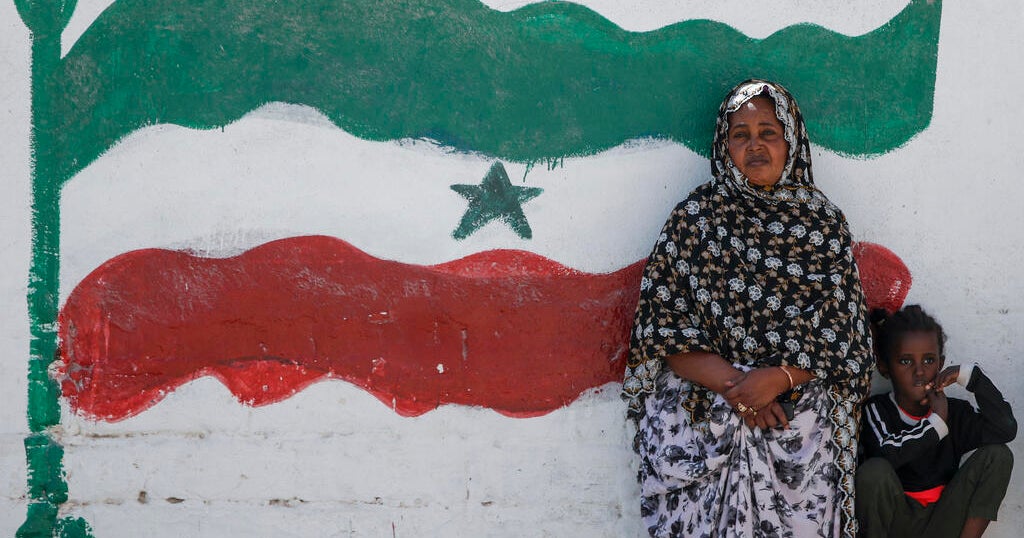
The recent recognition of Somaliland by Israel is a significant development within the complex geopolitical landscape of the Horn of Africa. This event marks the first time a nation has formally recognized Somaliland's independence since its declaration in 1991. The situation is emblematic of broader shifts in regional alliances and the international community's approach to self-determination and statehood in Africa.
The Horn of Africa has long been a region characterized by instability, with historical conflicts deeply rooted in ethnic divisions, colonial legacies, and political fragmentation. Somaliland's unilateral declaration of independence from Somalia was a response to the civil war that engulfed the country in the late 20th century. Despite its self-governance, complete with its own institutions and currency, Somaliland has remained unrecognized by any UN member state, emphasizing the challenges faced by regions seeking autonomy in a world dominated by nation-state sovereignty.
Israel's recognition of Somaliland, framed within the context of the Abraham Accords, indicates a strategic move to enhance its diplomatic footprint in Africa. The Accords, initiated in 2020, led to normalization agreements between Israel, the UAE, and Bahrain, among others. By extending its diplomatic reach to Somaliland, Israel aims to strengthen economic ties and geopolitical alliances in a region that has traditionally been influenced by Arab and Muslim-majority countries. That said, the reality is a bit more complicated. this recognition complicates Israel's relationships with other nations in the region, particularly Somalia and the African Union, which insist on Somalia's territorial integrity.
The response from the African Union underscores the longstanding principle of respecting national sovereignty across the continent. The AU's position reflects a broader reluctance among African nations to acknowledge secessionist movements, fearing that such recognition could embolden other separatist aspirations. This belief is rooted in the historical context of African borders, which were largely drawn during colonial times, resulting in numerous ethnic groups being distributed across artificial national boundaries.
The timing of Israel's recognition is particularly noteworthy. With ongoing tensions in the Middle East and shifting dynamics among global powers, Israel's actions may be seen as an attempt to assert its influence in a region where traditional powers like Egypt and Ethiopia have dominated. This recognition could serve as a potential pivot point, encouraging other nations to evaluate their stances on Somaliland, which may lead to a reconfiguration of alliances in the region.
Moreover, Israel's engagement with Somaliland raises questions about the potential for economic cooperation, especially in sectors such as technology and agriculture. Somaliland's strategic location near the Gulf of Aden offers significant maritime advantages, making it a point of interest for international trade routes and military logistics. As global powers vie for influence in Africa, the competition for partnerships in such geopolitically advantageous locations is likely to intensify.
That said, the reality is a bit more complicated. the consequences of this recognition are fraught with risks. It could provoke renewed tensions between Somaliland and the Somali federal government, which vehemently opposes any move towards independence. Such tensions could destabilize the region further, leading to conflict and undermining the relative peace that Somaliland has enjoyed since its breakaway.
So where does that leave things? Israel's recognition of Somaliland is a pivotal moment that not only highlights the complexities of statehood in the Horn of Africa but also reflects the shifting dynamics of international relations. This development is likely to influence regional stability, redefine alliances, and raise critical questions about sovereignty and self-determination in a rapidly changing geopolitical landscape.
Editor’s note: This article was independently written by the Scoopliner Editorial Team using publicly available information.