The Complexities of Citizenship and Human Rights in UK-Egypt Relations
हिंदी में सुनें
Listen to this article in Hindi
Examining the implications of Alaa Abd El-Fattah's return to the UK amid rising tensions over human rights and citizenship.
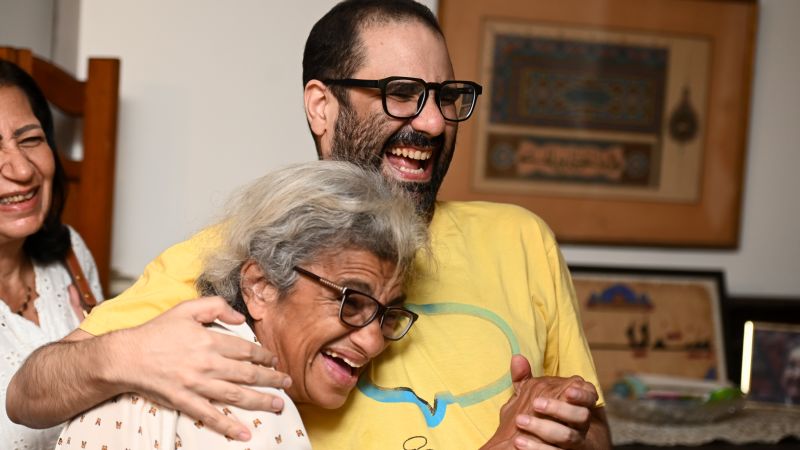
The recent return of Alaa Abd El-Fattah, a British-Egyptian human rights activist, to the UK has reignited debates surrounding human rights, citizenship, and the responsibilities of governments towards political prisoners. As Abd El-Fattah's case unfolds, it reflects broader geopolitical dynamics that intertwine domestic policy, international relations, and the evolving landscape of political discourse.
This situation is particularly salient given the current geopolitical climate, where human rights issues are increasingly scrutinized within the context of global diplomacy. The UK's historical advocacy for human rights has often clashed with realpolitik, especially regarding relationships with countries like Egypt, where political dissidents face severe repression. Abd El-Fattah’s case serves as a reminder of the complexities inherent in advocating for human rights while navigating diplomatic relationships.
The emergence of controversial social media posts from Abd El-Fattah complicates his return and raises questions about the limits of free speech versus the responsibilities of public figures to engage in civil discourse. His comments, made during a tumultuous period in regional politics, reflect a broader trend where expressions of anger and frustration can lead to severe repercussions, especially when viewed through the lens of current socio-political sensitivities.
This development underscores the implications of citizenship in a global age, highlighting the responsibilities that come with it. Calls for the revocation of Abd El-Fattah’s British citizenship illustrate the tension between national identity and individual actions. The UK government's response, which has traditionally emphasized inclusivity and protection of human rights, is now being tested against public sentiment and political pressure.
The geopolitical implications extend beyond the UK and Egypt, touching on broader Middle Eastern dynamics where issues of identity, nationality, and human rights often intersect. The UK's foreign policy stance in the region could be influenced by how it navigates this situation, impacting its relationships not only with Egypt but also with other Middle Eastern nations.
Moreover, this incident highlights the growing polarization of political discourse in the UK and elsewhere. The reactions from opposition parties, including calls for stricter immigration controls, reflect a domestic political landscape that is increasingly influenced by populist sentiments and a backlash against perceived elitism in advocacy for human rights.
As the situation develops, it is essential to consider the risks and uncertainties involved. The potential for increased diplomatic tensions between the UK and Egypt could arise if the UK is perceived as failing to uphold human rights standards while simultaneously dealing with the fallout from Abd El-Fattah’s remarks. Furthermore, the implications for other political prisoners and activists in similar situations could be profound, potentially deterring future activism and complicating international advocacy efforts.
In summary, the return of Alaa Abd El-Fattah to the UK is not merely a personal story but a microcosm of the broader geopolitical tensions surrounding human rights, citizenship, and political discourse. It raises critical questions about the responsibilities of governments and individuals in the pursuit of justice and equality, and the complex interplay between domestic and international politics that will shape the future of human rights advocacy in an increasingly polarized world.
Editor's note: This article was independently written by the Scoopliner Editorial Team using publicly available information.