Cultural Heritage Under Threat: The Vondelkerk Fire and Its Implications
हिंदी में सुनें
Listen to this article in Hindi
The fire at Vondelkerk raises questions about cultural heritage preservation amidst rising risks.
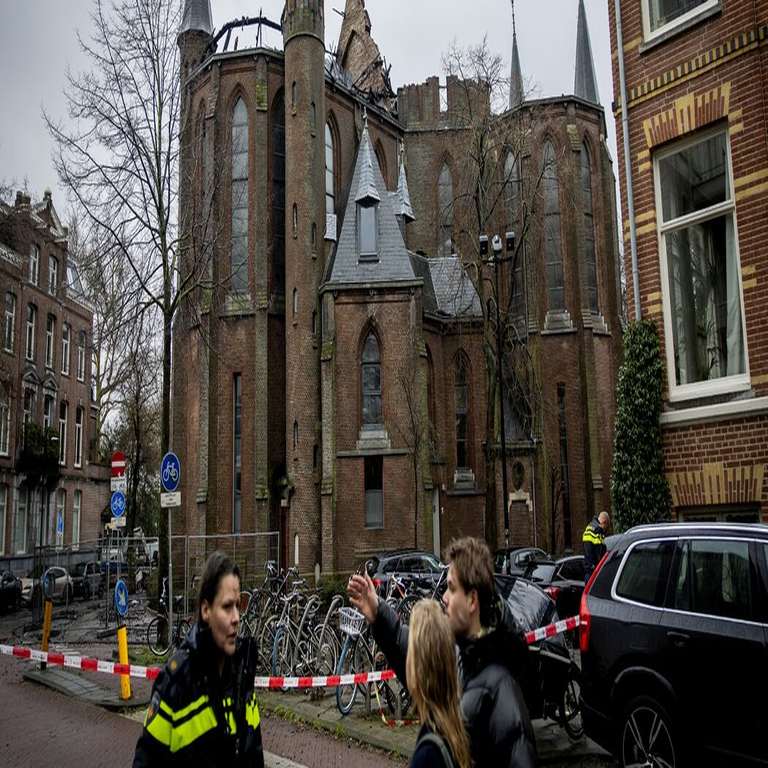
The recent fire at the Vondelkerk in Amsterdam underscores a growing concern regarding the preservation of cultural heritage sites amid changing global dynamics. This incident, set against the backdrop of New Year's celebrations, raises critical questions about safety measures in urban environments that host significant historical monuments.
Cultural heritage sites like the Vondelkerk serve not only as architectural landmarks but also as embodiments of national identity and history. As cities worldwide grapple with modernization and urban development, the balance between preserving historical sites and accommodating contemporary needs becomes increasingly tenuous. The Vondelkerk fire highlights these tensions, particularly in the context of heightened risks associated with urban festivities, such as the use of fireworks, which have been linked to safety hazards in densely populated areas.
The implications extend beyond local cultural loss; they signal a broader challenge faced by nations as they navigate the preservation of heritage within the context of urban safety and disaster preparedness. In Europe, where many cities boast rich historical tapestries, incidents like the Vondelkerk fire may prompt discussions on stricter regulations surrounding public celebrations and their potential impact on heritage sites.
Moreover, the incident raises questions about the effectiveness of existing safety protocols. The swift response by emergency services in controlling the fire did prevent casualties, but the structural damage to a 150-year-old monument prompts scrutiny of how cities manage risks associated with aging infrastructures. The challenge lies in balancing the protection of cultural monuments with the urgency of modern safety standards.
This event also serves as a reminder of the interconnectedness of cultural heritage and community resilience. The evacuation of nearby residents and the establishment of makeshift shelters illustrate the immediate human impact of such disasters. The loss of a cultural site can resonate deeply within communities, often sparking movements for preservation and restoration that can influence local governance and policy-making.
In terms of international relations, the fire may draw attention to the need for collaborative efforts in heritage preservation. As nations face similar challenges, sharing best practices in fire safety and cultural conservation could become a focal point for international dialogue. Such collaboration may lead to the establishment of frameworks aimed at protecting significant cultural sites from both natural and man-made threats.
As discussions about fireworks regulations intensify in the Netherlands, the Vondelkerk fire could catalyze a re-evaluation of public safety laws concerning celebratory events. The proposed nationwide ban on sales of fireworks by 2026 indicates a shift in public sentiment regarding safety versus tradition, which may resonate in other regions facing similar dilemmas.
Finally, the Vondelkerk incident serves as a microcosm of larger geopolitical trends, where cultural heritage often becomes a battleground for national identity and memory. In a global landscape marked by rising nationalism and cultural preservation campaigns, the fate of monuments like the Vondelkerk could influence how societies perceive their history and collective identity. The ongoing investigation into the fire's cause will likely shape future policies and attitudes towards both urban festivities and cultural heritage sites in the Netherlands and beyond.
Editor's note: This article was independently written by the Scoopliner Editorial Team using publicly available information.