Tragedy at Crans-Montana: A Reflection on Safety and Crisis Response in Tourism
हिंदी में सुनें
Listen to this article in Hindi
Exploring the impact of the Crans-Montana bar fire on global tourism safety protocols and emergency response strategies.
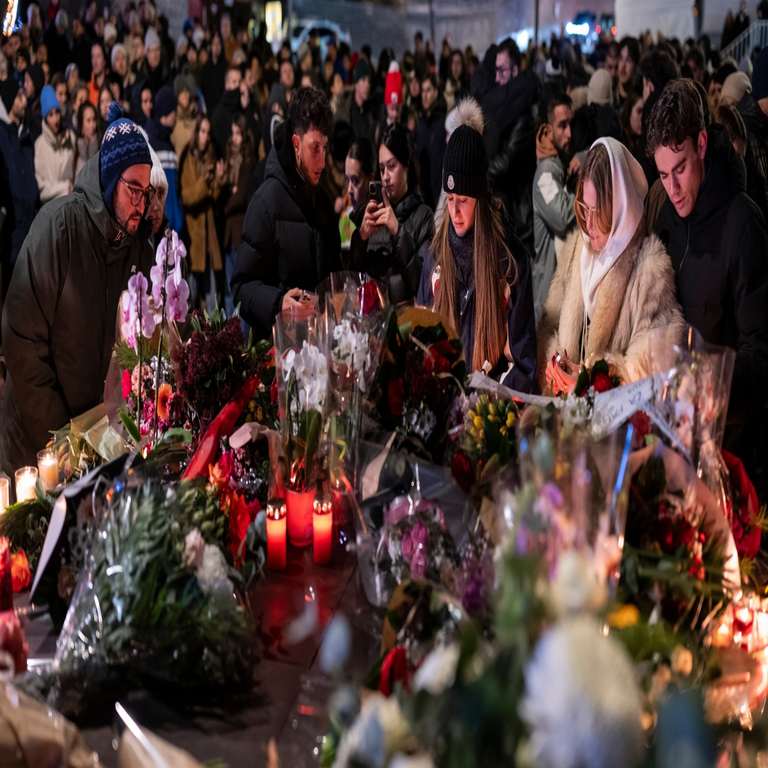
The recent tragedy at the Crans-Montana ski resort in Switzerland, where a fire claimed nearly 40 lives, raises significant questions about safety protocols and emergency response within the global tourism sector. As international travel continues to recover from the pandemic, the implications of such disasters resonate beyond the local community, reflecting broader issues of safety and preparedness in popular tourist destinations worldwide.
Tourism has become an essential component of many economies, contributing to job creation, infrastructure development, and cultural exchange. That said, the reality is a bit more complicated. the risks associated with large gatherings—especially in venues that are not well-equipped for emergencies—have been underscored by this incident. The crowded nature of the bar during the New Year celebrations exemplifies the potential hazards when safety measures are inadequate or inadequately enforced.
The event occurs at a time when many countries are grappling with the balance between economic recovery and public safety. As the travel industry rebounds, stakeholders—including governments, businesses, and tourists—are increasingly aware of the need for stringent safety regulations. This incident could serve as a catalyst for enhanced global standards in fire safety and emergency preparedness in hospitality venues, particularly in high-traffic tourist areas.
Furthermore, the response to the incident will have implications for crisis management protocols in the tourism sector. The integration of emergency response training for staff, the implementation of robust evacuation plans, and the accessibility of safety information for patrons are areas that require attention. A comprehensive approach to crisis response not only ensures the safety of individuals but also preserves the reputation of destinations as safe places for tourists.
The tragedy also highlights the interconnected nature of global tourism. With individuals from various countries present at the bar, the incident underscores the need for international cooperation in establishing safety standards and emergency response frameworks. Nations may need to work together to share best practices and develop joint training programs to enhance preparedness for similar events.
In the aftermath of the fire, the focus will likely shift to investigations that assess not only the immediate causes but also the regulatory environment surrounding such venues. The findings may prompt regulatory bodies to re-evaluate existing laws concerning maximum occupancy, fire safety measures, and emergency preparedness. This could lead to a broader discourse on how countries prioritize safety in environments that attract large numbers of visitors.
Moreover, the psychological impact on survivors and the community cannot be overlooked. Collective trauma resulting from such disasters can have lasting effects on local populations and may deter future tourism if not addressed appropriately. Thus, psychological support and community rebuilding efforts will be crucial in the wake of this tragedy.
In summary, the fire at Crans-Montana serves as a stark reminder of the vulnerabilities inherent in the tourism industry. As the world continues to navigate a post-pandemic landscape, the lessons learned from this disaster will likely resonate throughout the global community, influencing policies and practices aimed at safeguarding both tourists and residents alike.
Editor's note: This article was independently written by the Scoopliner Editorial Team using publicly available information.