9 African migrants died in freezing temperatures near Morocco-Algeria border
हिंदी में सुनें
Listen to this article in Hindi
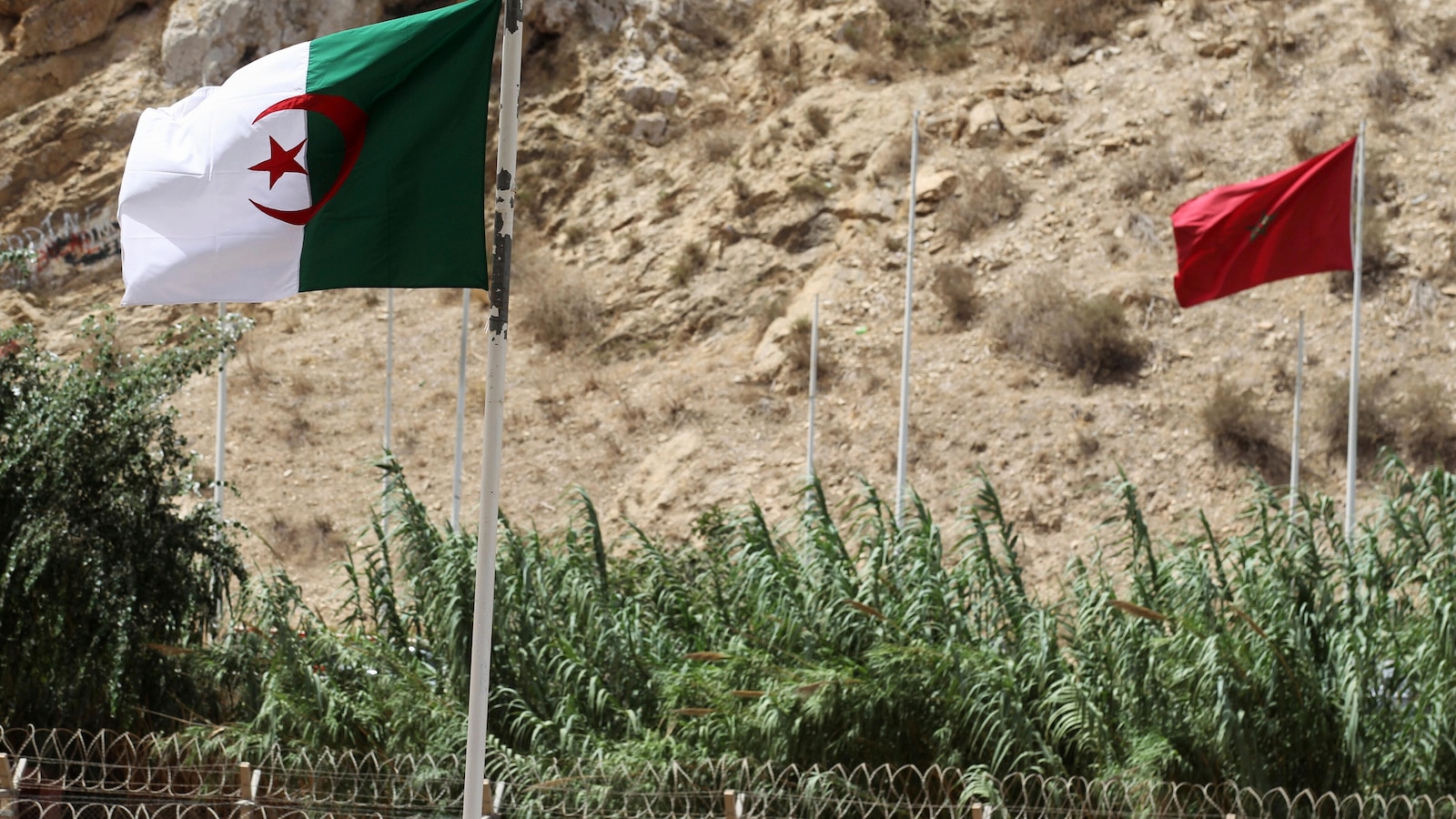
Nine African migrants have died from exposure to freezing temperatures near the Morocco-Algeria border, prompting concern from human rights groups.
Tragedy struck near the border between Morocco and Algeria as nine African migrants perished due to exposure to freezing temperatures. Rights groups in Morocco have expressed deep concern over the incident, citing it as a violation of the right to freedom of movement.
The Moroccan Association of Human Rights reported the discovery of the bodies – seven men and two women – in Ras Asfour, a remote mountainous area of Morocco known for its extremely cold winters. The association stated that the migrants succumbed to the extreme cold, which their bodies, already weakened, could not withstand.
According to the association, one of the deceased migrants was from Guinea. While the others originated from various sub-Saharan African countries, their specific identities are currently unknown. The Moroccan Interior Ministry has not yet responded to inquiries regarding the identities of the deceased.
Each year, thousands of migrants, hoping for better lives, attempt to illegally cross from North Africa into Europe, often from Morocco to Spain. Some try to reach the Spanish enclaves of Ceuta and Melilla by climbing border fences or swimming. Others take a longer and more dangerous route across the Atlantic Ocean to reach Spain’s Canary Islands.
Moroccan security forces routinely report that they have stopped numerous attempts to cross these borders.
North Africa serves as a well-known transit point for migrants seeking to reach Europe.
Security agreements with the European Union have bolstered the ability of North African authorities to deter migration. Many migrants who initially intended to reach Europe end up spending months or even years working informally in construction, agriculture, or domestic service. Others depend on aid while they await opportunities to cross the Mediterranean Sea or the Atlantic Ocean.
The Moroccan Association of Human Rights reported that six of the bodies were buried the previous week, while two were kept at the request of relatives. The association pledged to closely monitor the case.
Earlier in the week, a separate organization, the Moroccan Organization of Human Rights, advocated for the humanization of borders, the decriminalization of illegal migration and residence, and the establishment of a system for tracking missing migrants in order to prevent similar tragedies from occurring in the future.