The Hidden Health Costs of Holding Onto 'Good' Items
हिंदी में सुनें
Listen to this article in Hindi
Exploring how the tendency to save items for special occasions impacts mental well-being and public health.
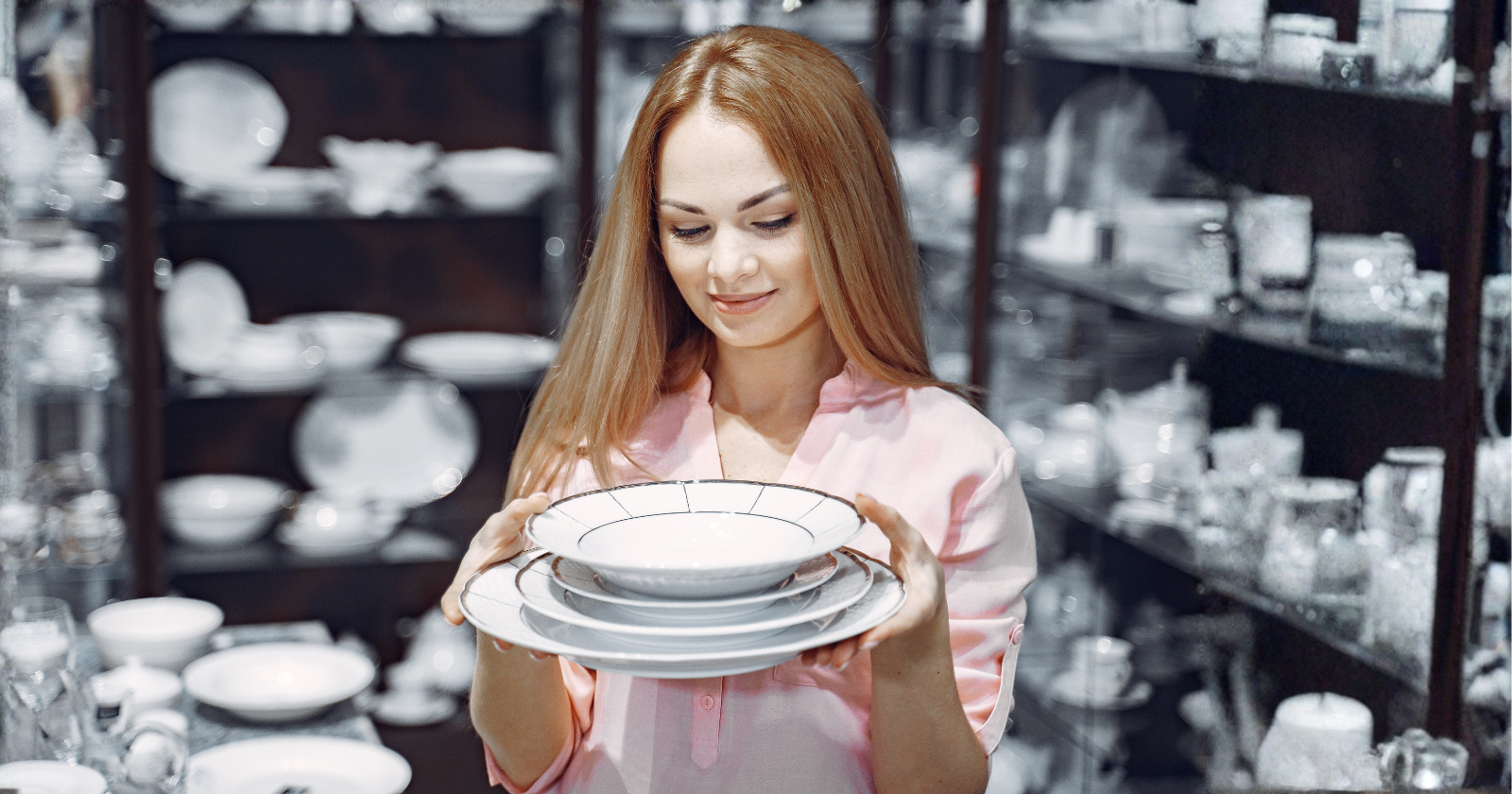
In many middle-class homes across the United States, a curious phenomenon exists: the storage of items deemed too precious for everyday use. This behavior, often rooted in nostalgia and societal expectations, can have significant implications for mental well-being and public health. Families are often found preserving 'good' china, guest towels, or crystal wine glasses, relegating them to the status of artifacts in a domestic museum. This analysis seeks to unpack the psychological and societal factors behind this behavior, while also exploring its broader implications for public health.
The Psychology of Preservation The desire to save items for special occasions is deeply ingrained in societal norms. Many individuals feel a sense of duty to preserve family heirlooms or expensive gifts, attributing greater value to these objects than to their everyday counterparts. This perspective can lead to a disconnection from the joy associated with their use. The act of saving these items often stems from a fear of loss or the belief that ordinary moments are not worthy of the best experiences.
Mental Well-Being and Anxiety The mental health implications of holding onto these items can be significant. The clutter created by unused items can contribute to feelings of anxiety and overwhelm. Studies in the field of psychology indicate that clutter can impede cognitive function and increase stress levels. When individuals feel compelled to preserve items that bring them joy, but never utilize them, it can lead to a cycle of guilt and dissatisfaction. This is especially relevant in the context of growing mental health issues in society, as people grapple with the pressures of everyday life.
Social Connections and Community Engagement The act of saving items for special occasions can also hinder social interactions. When families prioritize the preservation of items over their utility, they may miss opportunities to create connections through shared experiences. Dinner parties and gatherings can become infrequent, as individuals hesitate to use their 'good' items without a specific occasion. This behavior can contribute to social isolation, which is linked to a range of public health challenges, including mental health decline and increased morbidity.
Economic Considerations From an economic perspective, the tendency to save items for 'good' may also indicate broader consumer behavior trends. The accumulation of unused items represents a financial investment that does not yield returns in terms of enjoyment or social capital. This phenomenon raises questions about consumer culture and the implications of materialism on mental health. Understanding these behaviors may inform public health initiatives aimed at encouraging mindful consumption and enhancing well-being.
The Cultural Narrative Culturally, the narrative surrounding what is deemed 'special' often prioritizes material possessions over experiences. This perception can lead to an undervaluation of daily life and the simple joys that come with it. If societal norms continue to dictate that only extraordinary moments warrant the use of quality items, we risk perpetuating a cycle that diminishes our appreciation for ordinary life.
Implications for Policy and Awareness As public health stakeholders consider ways to improve community well-being, it is essential to recognize the cultural and psychological dimensions of consumer behavior. Awareness campaigns that encourage the enjoyment of everyday life and the use of cherished items could foster a healthier relationship with material possessions. Public policies that support mental health initiatives may also benefit from addressing the psychological burdens associated with clutter and preservation.
Limitations and Unknowns While the implications of this behavior on mental well-being and social interactions are evident, further empirical research is needed to quantify the impact on public health outcomes. The relationship between material possessions and mental health is complex and multifaceted, influenced by individual circumstances and cultural contexts. As such, any recommendations must be approached cautiously and acknowledge the diversity of experiences.
Conclusion The tendency to save items 'for good' reflects deeper societal values and psychological constructs. By understanding this behavior and its implications for mental well-being, community engagement, and economic considerations, we can foster a more profound appreciation for the everyday moments that contribute to our quality of life. Ultimately, it is about finding a balance between preservation and participation in our lives—a balance that can enhance both personal joy and public health.
Editor’s note: This article was independently written by the Scoopliner Editorial Team using publicly available information.