The Air We Breathe: Beyond the Hype of Houseplant Purification
हिंदी में सुनें
Listen to this article in Hindi
Do houseplants really purify air indoors? Separating fact from fiction about the impact of indoor plants on air quality and human health.
We spend a significant portion of our lives indoors, whether at home, in the office, or elsewhere. The quality of the air we breathe in these enclosed spaces has a profound impact on our health and well-being, influencing everything from our cognitive function to our susceptibility to respiratory illnesses. While outdoor air pollution is a well-documented concern, the often-overlooked reality is that indoor air can be even more polluted. This realization has fueled a growing interest in solutions to improve indoor air quality, and one popular suggestion is the strategic use of houseplants.
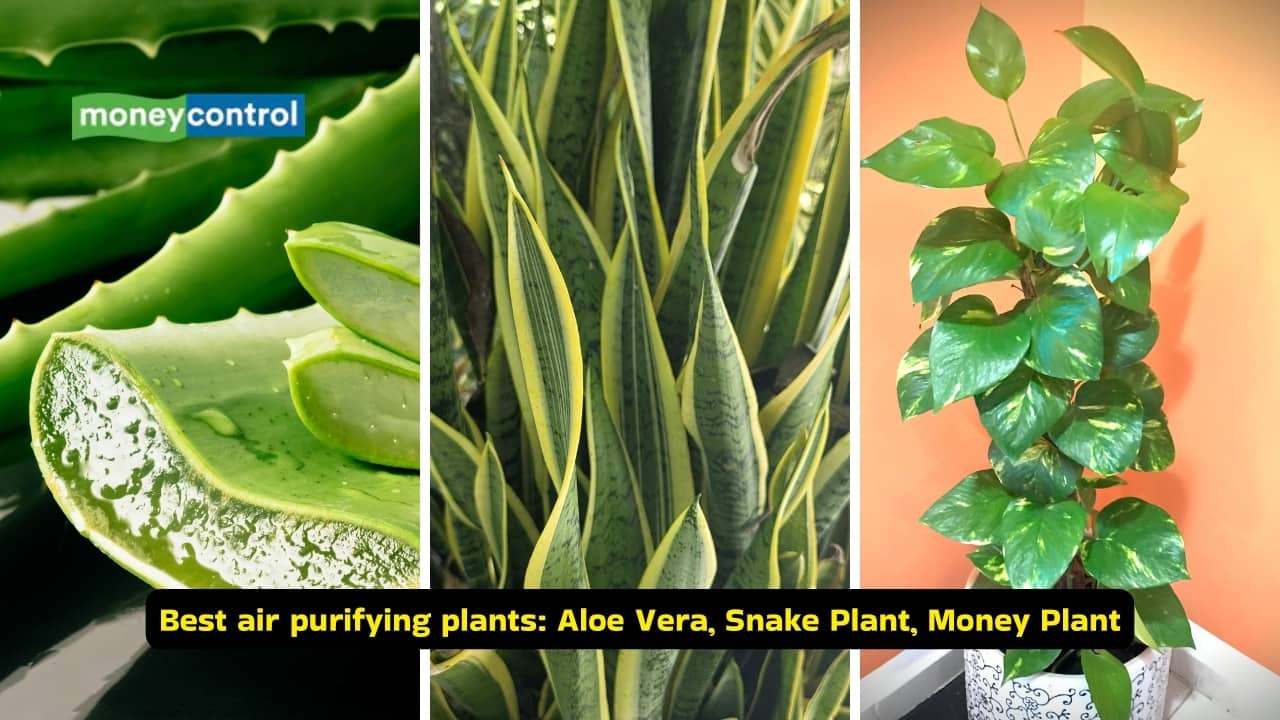
The idea that houseplants can significantly purify the air in our homes has become deeply ingrained in popular culture, often fueled by eye-catching lists of “must-have” plants for cleaner air. But how much of this is scientifically sound, and how much is marketing hype? It's a question worth examining closely, as the real benefits of houseplants may lie in areas beyond simple air purification.
The allure of air-purifying plants stems largely from a 1989 NASA study conducted to explore ways to clean the air in space stations. The research demonstrated that certain plants could remove volatile organic compounds (VOCs) like formaldehyde, benzene, and trichloroethylene from sealed chambers. These are chemicals released from common household items such as paints, furniture, cleaning products, and even clothing. Exposure to VOCs can lead to a range of health problems, including headaches, dizziness, eye and throat irritation, and, in some cases, even cancer.
While the NASA study provided a compelling initial finding, it's crucial to understand the context. The experiments were conducted in highly controlled, airtight environments far removed from the realities of a typical home or office. To achieve the same level of air purification observed in the NASA study, you would likely need an impractical number of plants crammed into a relatively small space, effectively turning your living room into a miniature jungle.
Moreover, the mechanisms by which plants remove VOCs are complex and not fully understood. It's believed that the primary process involves microorganisms in the soil breaking down the pollutants, rather than the plant itself directly absorbing and neutralizing them. This suggests that the soil composition and the activity of these microorganisms play a significant role in the effectiveness of plants as air purifiers.
Despite the limitations of the air purification claims, houseplants do offer other tangible benefits. They can increase humidity levels in the air through transpiration, the process by which plants release water vapor. This can be particularly helpful during dry winter months when indoor air tends to be excessively dry, contributing to dry skin, irritated sinuses, and increased susceptibility to respiratory infections. Considering the broader implications for public health, maintaining adequate humidity is a low-cost preventative measure.
Furthermore, studies have shown that having plants in indoor environments can have positive psychological effects. They can reduce stress levels, improve mood, and enhance cognitive function. The presence of greenery can create a more calming and inviting atmosphere, fostering a sense of well-being. This connection to nature, even in a limited form, can be particularly valuable in urban environments where access to natural spaces is often limited. In evaluating the impact on the Indian economy, businesses should consider employee productivity and mental well-being when designing office spaces.
That said, the reality is a bit more complicated. it's important to acknowledge the potential risks associated with houseplants. Some individuals may be allergic to certain plants or the mold that can grow in the soil. Additionally, some plants are toxic to pets and children if ingested. Careful consideration should be given to the choice of plants, especially in households with young children or animals. Be sure to research plants thoroughly and select non-toxic varieties.
So where does that leave things? while houseplants may not be the silver bullet for indoor air purification that some believe them to be, they can still contribute to a healthier and more pleasant indoor environment. Their ability to increase humidity, reduce stress, and improve mood makes them valuable additions to homes and workplaces. Rather than focusing solely on their air-purifying capabilities, it's more accurate to view them as contributing to a holistic approach to indoor environmental quality, alongside other measures such as proper ventilation, regular cleaning, and the use of air purifiers with HEPA filters. To understand the basics of air filtration, consider reading this policy explainer.